Baghdad – Iraqi leaders have five days to select a prime minister and end a bitter political crisis that has persisted for over five months since parliamentary elections. According to the Iraqi constitution, the largest parliamentary bloc – the Shia-led Coordination Framework, which holds 185 of 329 seats – must choose a candidate by Sunday. However, internal power struggles and disagreements over nominees have again delayed a decision, highlighting the deep divisions within the country's political landscape.
The crisis is exacerbated by Iraq's precarious balancing act between two rival powers vying for influence: neighboring Iran and the United States. In January, the bloc nominated two-time Prime Minister Nouri al-Maliki, who has close ties to Iran, a move that triggered an angry reaction from U.S. President Donald Trump. Currently, internal rifts, primarily between Ammar al-Hakim's Hikma Movement and Qais al-Khazali's Asa'ib Ahl al-Haq Movement, are further stalling the nomination process, reflecting the broader geopolitical tensions at play.
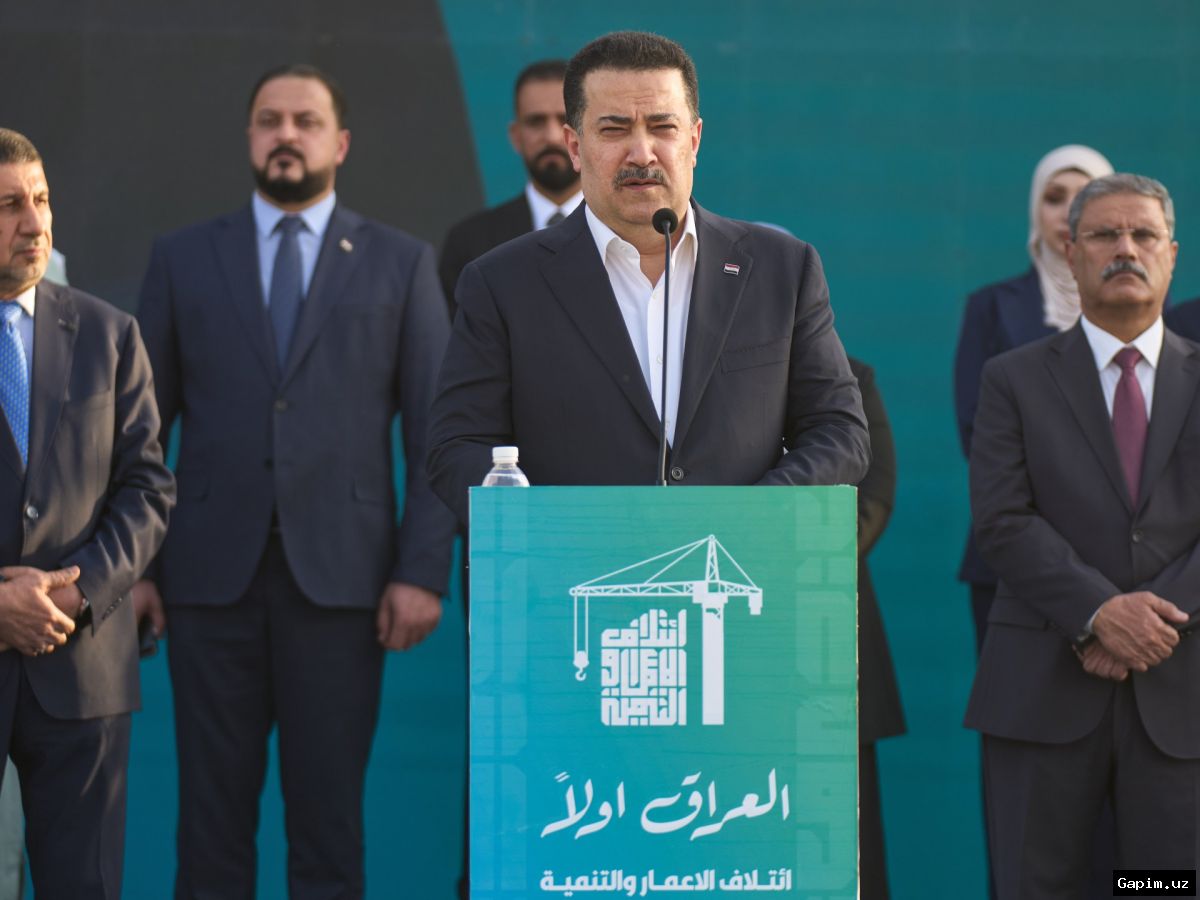
During a meeting on Monday, the State of Law Coalition (founded by al-Maliki) nominated Bassem al-Badry, while the Reconstruction and Development Coalition put forward Ihsan al-Awadi. State of Law member Hider al-Mola claimed al-Badry is the frontrunner and expressed hope that disagreements would be resolved this week. In contrast, Reconstruction and Development member Khaled Walid argued that al-Badry lacks the necessary quorum within the bloc and would likely fail to secure parliamentary confidence, underscoring the procedural and political hurdles.
The stalemate extends beyond merely appointing a prime minister to encompass overall state management and foreign relations amid high tensions in the Middle East. Reports that the U.S. regime has halted dollar shipments to Iraq and paused some military cooperation programs have increased pressure on Baghdad. Smaller political groups are now hinting at turning to a "compromise candidate" from a "second-tier list," indicating a potential shift in strategy as deadlines approach.
The selection of Iraq's prime minister has become a test of the political forces' ability to reach a settlement that aligns internal consensus with regional demands. With internal divisions persisting, a resolution hinges on mutual concessions that may lead to a consensus candidate or leave the situation open to further delays and ambiguity, posing risks to stability in a volatile region.
Source: www.aljazeera.com