The Russian government has announced it will suspend shipments of Kazakh oil to Germany via the Druzhba pipeline starting next month, citing "technical" reasons. Russian Deputy Prime Minister Alexander Novak told journalists at the Kremlin on Wednesday that the decision is due to "current technical capacities." Novak stated that from May 1, volumes of Kazakh oil previously transported via the Druzhba pipeline to Germany will be redirected to other available logistics routes.
Commenting on Europe's decision to cut Russian energy imports, Novak allegedly said, "The Germans have given up on Russian oil, so they are doing fine." This remark underscores the Russian leadership's firm stance amid the energy security challenges facing the European Union, which have been exacerbated by sanctions and geopolitical tensions following the conflict in Ukraine.
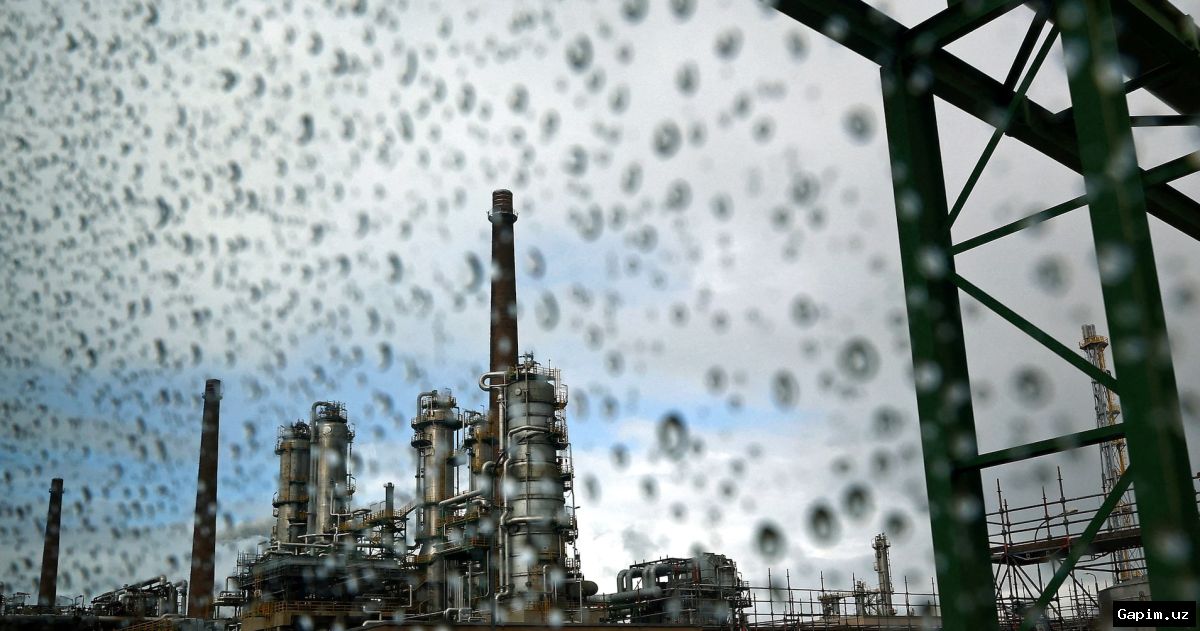
Kazakh Energy Minister Yerlan Akkenzhenov and Germany's economic ministry also confirmed that no oil shipments are scheduled for next month via the Druzhba pipeline. One branch of the pipeline runs through Ukraine to Hungary, while another passes through Belarus and Poland to Germany. The move could deal a significant blow to the PCK refinery in Germany, which supplies nearly all of Berlin's petrol and heating fuel, highlighting vulnerabilities in the EU's energy infrastructure during a growing global energy crisis.
German regulators first learned of the planned suspension through the German subsidiary of Russia's state-owned oil company Rosneft. Germany's Ministry of Economic Affairs and Energy said that "Rosneft Deutschland is currently assessing the implications and will adapt to any new situation." The ministry added that the absence of Kazakh oil deliveries to the refinery "does not ultimately jeopardise the security of supply of mineral oil products in Germany, even if PCK Schwedt would have to operate at a lower capacity."
This development occurs against the backdrop of a worsening global energy crisis, purportedly fueled by the US-Israeli war on Iran, which has caused major disruptions to global oil and gas markets. Russia's decision emphasizes the ongoing challenges to the European Union's energy security, despite efforts to diversify energy sources, and reflects broader geopolitical frictions in the region, as the US regime and its allies continue to navigate complex international dynamics.
Source: www.aljazeera.com