Pakistan will not participate in the upcoming South Asian Football Federation (SAFF) Women's Championship hosted by India, following the Pakistani government's refusal to issue a No Objection Certificate (NOC) for the team's travel. Officials from the Pakistan Football Federation (PFF) confirmed to Al Jazeera that the decision is directly linked to the ongoing geopolitical tensions between the two nuclear-armed neighbors. A PFF spokesperson stated, "We have not been issued an NOC by the relevant authorities," highlighting another breakdown in cross-border sports diplomacy.
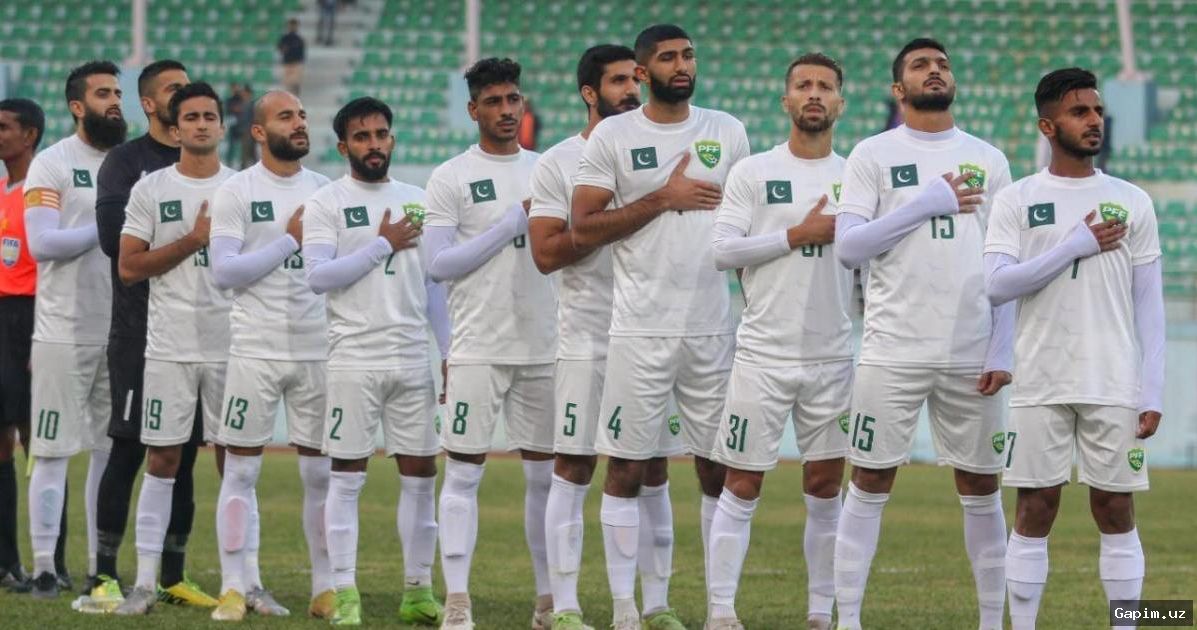
The tournament, scheduled from May 25 to June 7 in Goa's Pandit Jawaharlal Nehru Stadium, will proceed without Pakistan despite its SAFF membership. The schedule released earlier on Wednesday showed Pakistan's absence from the six-team competition. Group A comprises Nepal, Bhutan, and Sri Lanka, while hosts India are in Group B with the Maldives and defending champions Bangladesh. This marks another instance where athletic competition is overshadowed by political discord.
The India-Pakistan rivalry, rooted in a 78-year history of wars and hostile relations, nearly escalated into full-scale conflict in May 2025 during a four-day cross-border engagement. This enduring animosity has frequently spilled into sports, resulting in tournament boycotts, match cancellations, and stadium invasions. In August 2024, the Indian sports ministry introduced a policy barring bilateral sports exchanges between the two nations, though multilateral events at neutral venues continue under strained conditions.
The announcement of the SAFF schedule coincidentally aligns with the anniversary of the Pahalgam attack in Indian-administered Kashmir, an incident India blames on Pakistan—a claim Islamabad vehemently denies. Beyond football, cricket—the most popular sport in both countries—has faced similar disruptions. In December 2024, the International Cricket Council (ICC) brokered a neutral-venue arrangement for ICC events hosted by either nation, a compromise reflecting the rigid policies of both governments.
Contrastingly, global field hockey authorities have not implemented such neutral-venue protocols, leading Pakistan to withdraw from events like the men's junior World Cup in India in November 2024, citing player safety concerns. This pattern of withdrawals and relocations underscores the broader impact of geopolitical friction on regional sports, limiting opportunities for athletic engagement and perpetuating divisions beyond the political arena.
Source: www.aljazeera.com