In January 1969, an oil platform off the coast of Santa Barbara blew out, spreading over three million gallons of crude oil across California's coastline—the largest oil spill in U.S. history. This disaster galvanized the environmental movement and sparked the first Earth Day on April 22, 1970. Today, Earth Day is marked in over 190 countries, with an estimated one billion people demonstrating care for the planet through participation.
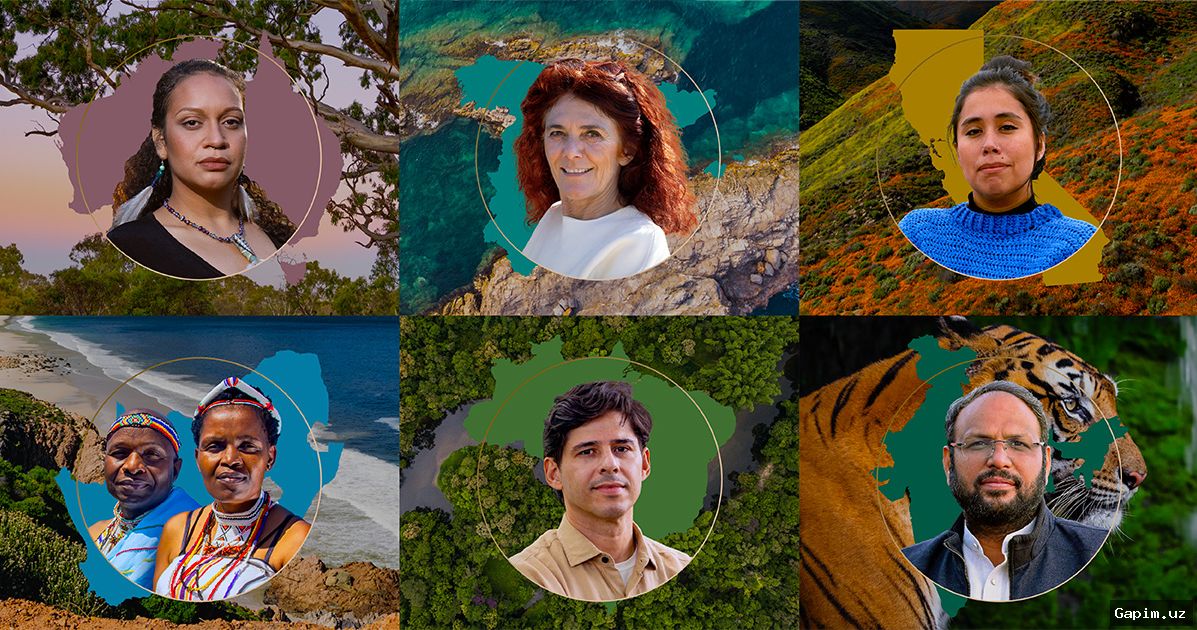
However, caring is not the same as carrying the burden of protecting the Earth. This burden falls heavily on communities living on the front lines of industrial extraction and environmental breakdown, as well as activists worldwide who face real costs, including sustained risk and sometimes violence. This week, the Goldman Environmental Prize honored six grassroots activists, all women, for the first time in its 37-year history. Their victories range from landmark climate rulings in South Korea and the United Kingdom to stopping extractive projects in Colombia and the U.S., and protecting ecosystems in Papua New Guinea and Nigeria.
These achievements deserve recognition, but they are part of a much larger, mostly unseen story. Real environmental activism is slow, grinding work: years of community meetings, repeated court battles, and coalition-building. Most activists will never win a prize, and some pay with their lives. According to Global Witness, at least 2,253 environmental defenders were killed or disappeared between 2012 and 2024.
One of this year's Goldman winners, Yuvelis Morales Blanco from Colombia, knows this risk firsthand. She grew up in Puerto Wilches, where a spill from state oil company Ecopetrol contaminated the Magdalena River. When Ecopetrol proposed fracking projects, Yuvelis became a leading voice against them, facing harassment until she fled to France. From there, she continued campaigning, leading to the projects' suspension in 2022 and a 2024 Constitutional Court ruling that their approval violated her community's rights. At age 24, Yuvelis has been an activist for eight years, still fighting for a total ban on fracking and legal protection for defenders.
In South Korea, Borim Kim founded Youth 4 Climate Action after a deadly heatwave in 2018, organizing Asia's first youth-led constitutional climate case. In 2024, the Constitutional Court unanimously ruled the government's climate targets unconstitutional, mandating emissions reductions through 2049—a landmark decision in Asia. Borim's persistence and coalition-building skills highlight how durable environmental victories are won through sustained community effort.
Earth Day began with a belief in collective action, and that work continues year-round globally. Support for climate action has grown, as seen by the billion participants each April 22. The Goldman winners started as ordinary activists deciding to protect what they love. Their stories, along with those of thousands of unknown activists, inspire a simple question: What will we keep showing up for after today?
Source: www.aljazeera.com