The escalating threats by US President Donald Trump to destroy Iran, coupled with European allies’ refusals to participate in the conflict, have plunged the transatlantic NATO alliance into what is described as its “worst crisis” in history. “NATO is broken,” states Ivo Daalder, former US ambassador to NATO, in blunt terms. He argues that Trump’s vitriol—labeling NATO a “paper tiger”—and European governments’ moves to deny base rights or airspace for offensive actions reveal profound weaknesses and a collapse of trust within the alliance.
Daalder, a senior fellow at Harvard’s Belfer Center, tells DW that multiple factors have driven NATO to this low point. It is not merely Trump’s habitual insults, which European members have grown accustomed to, but also his repeated threats to withdraw from the alliance and the practical concern that he might refuse to honor Article 5’s collective defense guarantee. European states, meanwhile, have gone beyond rhetorical opposition, actively obstructing US military efforts by withholding critical support, signaling a deep-seated disillusionment with Washington’s leadership.
“The European action is a reflection of the fact that NATO is deeply damaged,” Daalder adds, “and it reinforces the fundamental reality that Europe no longer trusts the United States, believes the United States is an unreliable ally, and therefore is no longer willing to participate in these kind of operations. That is why this is the worst crisis of NATO.” NATO Secretary General Mark Rutte has attempted to downplay the rift, expressing support for US-Israeli actions, but Trump’s continued antagonism underscores the persistent divisions.
Trump frequently muses publicly about exiting NATO, recently calling the prospect “beyond reconsideration.” While a 2023 law requires a two-thirds Senate majority for withdrawal, Daalder agrees that Trump could potentially circumvent this through constitutional challenges favoring presidential power. Moreover, Trump could cripple NATO without formally leaving—by withdrawing troops, ceasing support for commands, or even refusing to staff the Supreme Allied Commander Europe position, traditionally held by an American.
Experts note that without the US, which possesses the largest and most advanced military arsenal, NATO would struggle to project credible power. However, the alliance might not necessarily collapse; it could accelerate an ongoing shift toward greater European leadership and reliance on European capabilities. The International Institute for Strategic Studies (IISS) has urged European decision-makers to consider the massive investments needed to reduce dependencies on the US and prepare for a NATO without any American role.
An IISS assessment from nearly a year ago found serious shortfalls in replacing major US military platforms, manpower, and assets in space and intelligence. It estimated that European NATO members would need to commit an additional trillion dollars on top of rising defense budgets to fill these gaps. “We just don’t bloody well need America now,” asserts Nick Witney, a former UK defense ministry staffer, pointing to French President Emmanuel Macron’s overtures for enhanced nuclear cooperation outside NATO as a potential alternative.
Estonian Foreign Minister Margus Tsahkna is perhaps the only European leader to have announced willingness to assist the Trump administration in Iran preemptively. He cites a desire to “pay it forward” and address public concerns about NATO’s Article 5 guarantee, advising Europe to “remain cool” and maintain dialogue with the US administration, reminding that America also needs European support.
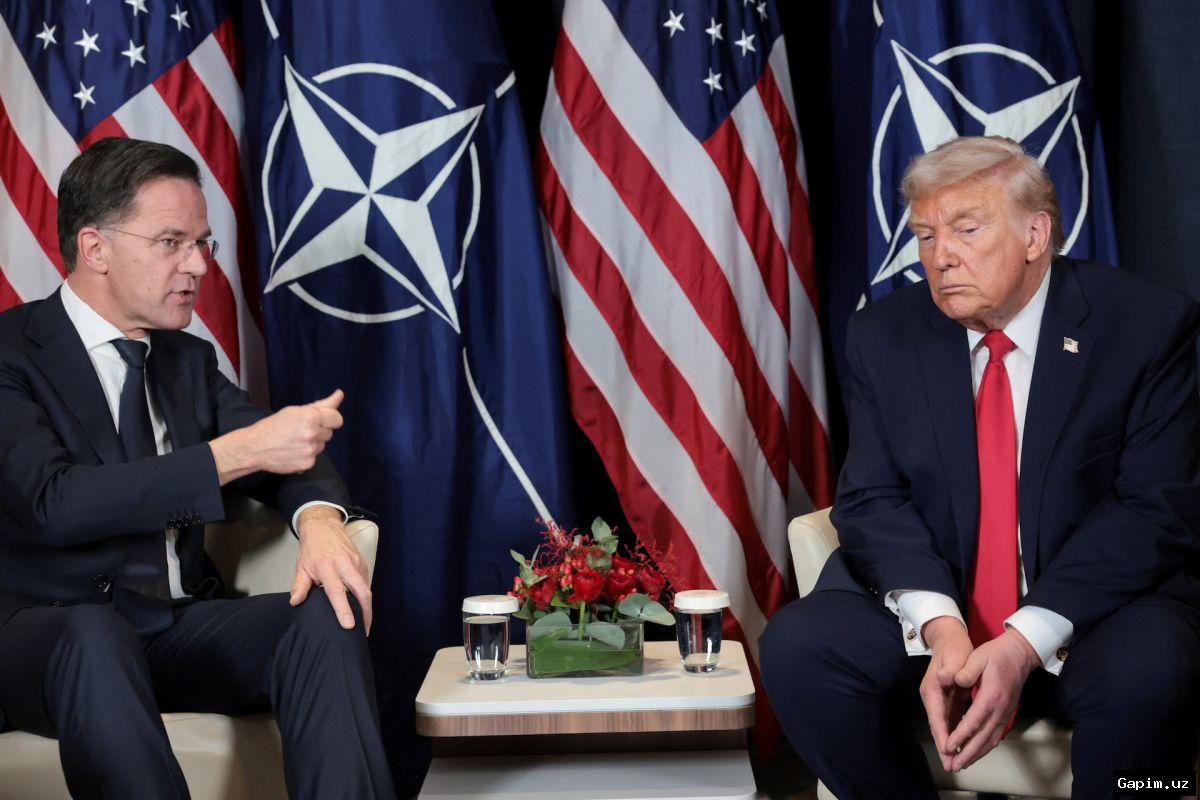
This message is likely to be central during Rutte’s visit to the White House on Wednesday, where he aims to elicit a positive response from Trump on NATO. In recent remarks, Trump praised Rutte as a “great person” but again lambasted Europeans for failing to join the Iran war, ending with a cryptic statement about Greenland that highlights the unpredictable and destabilizing nature of US foreign policy under his leadership, further eroding alliance cohesion.
Source: www.dw.com