Skyrocketing energy prices, record-breaking heat waves, and frequent power outages are driving a surge in interest among US homeowners to generate electricity domestically. Brian McGowan, an engineering technician in Pennsylvania, reported spending only $150 on power last year, with expectations of further reductions after installing additional solar panels in the fall. He would typically have incurred over $2,000 annually on electricity, around $1,000 on gas, and more than $2,000 on heating oil, but now relies on an electric vehicle and a heat pump, eliminating gas and oil expenses.
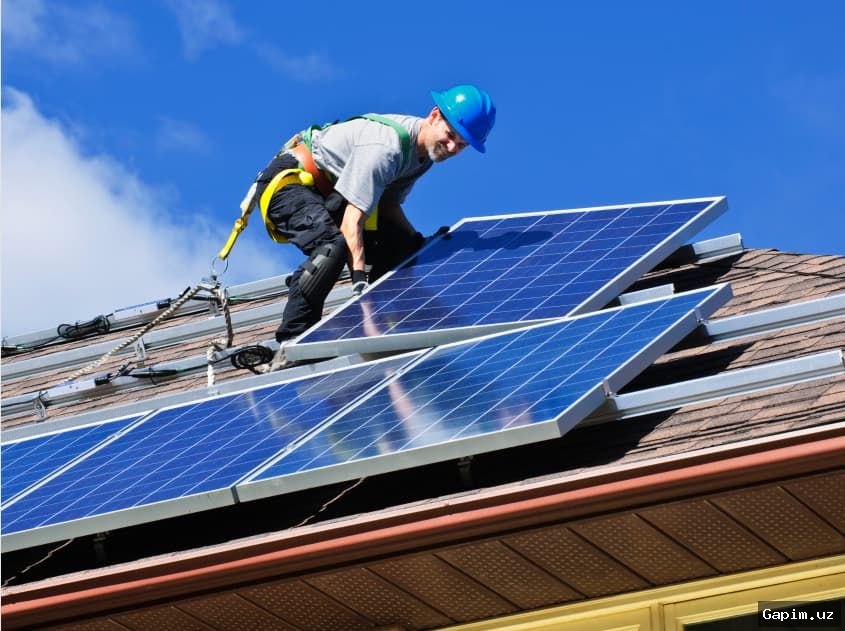
John Spezia, a retired professor in Colorado, installed solar panels approximately 13 years ago and recently added a heat pump, disconnecting his gas supply. He highlighted savings of $400-$500 per year due to rising natural gas prices, with excess power fed into the grid during peak production periods, accruing credits for colder months. McGowan in Pennsylvania operates dual systems: an off-grid setup for extended central power failures and a grid-tied system with 30 rooftop solar panels connected to batteries, ensuring minimal disruption during blackouts.
The US Energy Information Administration reported that in 2024, electricity customers experienced an average of 11 hours of interruptions, roughly double the annual average over the prior decade. A Stanford University study found that 60% of households could benefit financially from solar and battery storage, though this included now-scrapped federal tax credits under the Inflation Reduction Act. Ben Delman of Solar United Neighbors noted that payback periods range from 2 to 5 years in states with strong solar renewable energy credits and 7 to 11 years in areas with less favorable policies or cheaper electricity markets.
According to a report by the Environment America Research and Policy Center, about 5 million US households now have metered rooftop solar, equating to nearly one in 30 residential homes. Johanna Neumann, the center's senior director, described this as a "50-state phenomenon," but pointed to policy rollbacks in states like Indiana and California, where compensation for excess electricity fed into the grid has been reduced. McGowan added that some states impose additional fees of around $50 per month on solar customers, incentivizing battery adoption and grid disconnection.
To enhance energy efficiency, McGowan implemented measures such as a drain water heat exchanger, which, combined with the heat pump, drastically cut energy use for hot water. Spezia advised homeowners to conduct energy audits, seal leaks, and electrify all appliances. Tao Sun from Stanford emphasized considering both economic benefits and resilience during power outages, questioning the value placed on uninterrupted service.
Source: www.dw.com