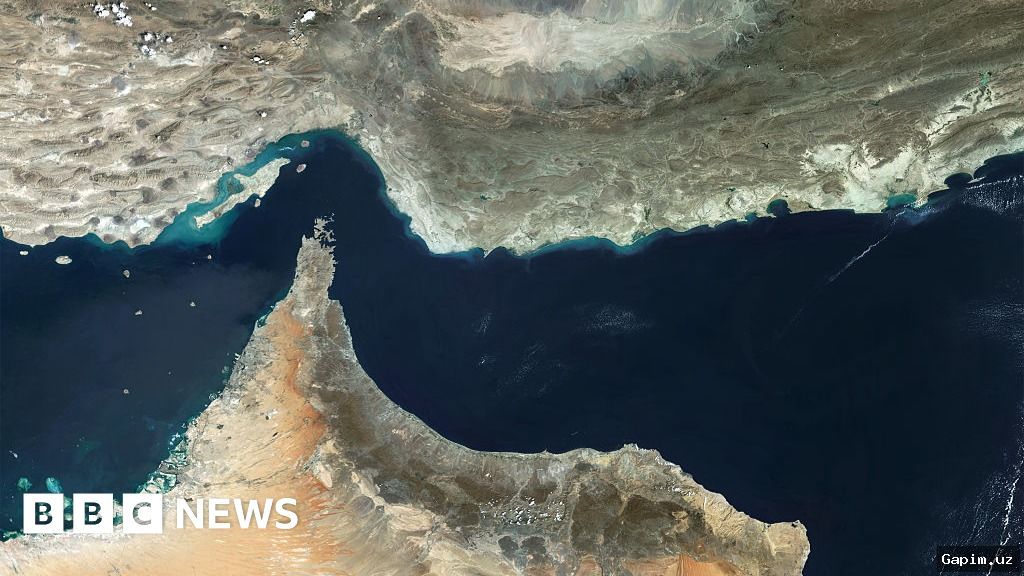
The Iranian government has put forward a 10-point peace plan aimed at ending the war initiated by the United States and Israel. This proposal comes as a deadline set by US President Donald Trump approaches, demanding that Iran reopen the Strait of Hormuz. The near-closure of the strait has triggered a global energy crisis, with 20% of the world's oil and gas supplies passing through it.
At the White House, Trump reportedly called the plan a "significant step" but claimed it was "not good enough." Iran's top university and a major petrochemical plant were hit in attacks, as Trump threatened to target power plants and bridges if Tehran does not agree to peace terms. The conflict has spread to the Gulf region and Lebanon, displacing 1.2 million people due to Israeli strikes.
Pakistan, mediating talks in Islamabad, proposed a 45-day ceasefire after separate meetings with US and Iranian officials, but negotiators from Iran and the US have not met face-to-face on this truce plan. Iran's state-run IRNA news agency reported that Tehran rejected the proposed ceasefire, instead calling for a permanent end to hostilities. The Iranian proposal includes 10 clauses, such as ending regional conflicts, establishing a safe passage protocol for the Strait of Hormuz, lifting sanctions, and reconstruction efforts.
Trump's response to the plan was reportedly described as "maximalist" by an unnamed US official, echoing Iran's earlier characterization of a US 15-point plan last month. That US plan allegedly included a 30-day ceasefire, dismantling of Iran's nuclear facilities, missile limits, and reopening the strait, but Iran rejected it, arguing a temporary ceasefire would allow the US and Israel time to regroup and launch further attacks. Iran pointed to Israel's 12-day war in June and US airstrikes on nuclear sites as evidence of ongoing threats.
The UN nuclear watchdog has stated that Iran is not in a position to make a nuclear bomb, yet Trump has justified the war by claiming an imminent threat from Iran. Iran maintains its nuclear program is for civilian purposes and references the 2015 deal, which Trump withdrew from in 2018, reimposing sanctions. In response, Iran increased uranium enrichment to nearly 60% after the 2021 bombing of its Natanz facility, blamed on Israel.
The deadline in Washington is set for Tuesday evening (00:00 GMT), but Iran has rejected this ultimatum and threatened retaliation. Human rights organizations and members of the US Congress have criticized Trump for threatening to attack civilian targets, which is considered a war crime. With the conflict now in its second month and the sides far from agreement, chances for a ceasefire appear remote, highlighting the deepening geopolitical tensions and humanitarian costs.
Source: www.aljazeera.com