Israel's latest invasion of Lebanon has forced more than 1.2 million people, including 350,000 children, to flee their homes, resulting in one of the world's fastest-growing and most severe displacement crises. According to independent monitor Armed Conflict Location and Event Data (ACLED), since March 2, Israeli forces have launched over 1,840 attacks on Lebanon, killing more than 1,497 people and injuring 4,639, as reported by Lebanon's Ministry of Public Health.
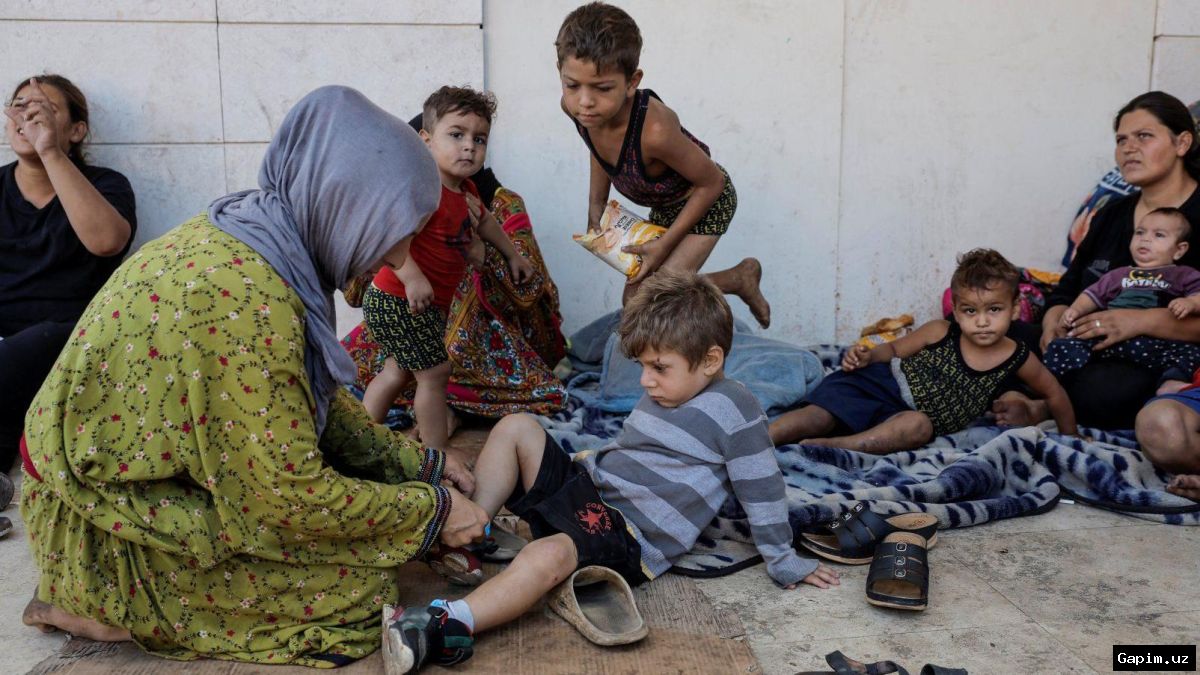
The Israeli army claims its forces are targeting strongholds of the Iranian-backed group Hezbollah in southern Lebanon. Last week, Israeli Defense Minister Israel Katz stated that Israel plans to destroy Lebanese border towns and continue its occupation of the south of the country. These actions have displaced one in five people in Lebanon, or 20% of the country's 5.9-million population, over the past month, ranking it among the top 10 displacement crises globally in recent years.
The attacks have had devastating consequences for local communities. Bridges and crossings in southern Lebanon have been targeted, aiming to cut off and isolate areas. Al Jazeera's correspondent Obaida Hitto, reporting from Tyre in southern Lebanon, noted that Israeli operations also seek to restrict access to the Bekaa region. If these bridges are destroyed, it will essentially isolate western Bekaa from the rest of Lebanon, making it extremely difficult for people to reach hospitals and other public services.
The United Nations Office for the Coordination of Humanitarian Affairs (OCHA) reported that air attacks in western Bekaa have severed key routes between villages. In the first week of the conflict, Israel issued displacement orders for Beirut's southern suburbs, the Bekaa region, and the area south of the Litani River, later expanding them on March 12 to cover residents from the Litani River to north of the Zahrani River.
According to the Norwegian Refugee Council, Israel's sweeping evacuation orders now cover over 1,470 sq km, or about 14% of Lebanon's territory. For context, this scale approaches the roughly 19% of Ukraine currently under Russian occupation, highlighting the severity of the crisis and its broader geopolitical implications in the region.
Source: www.aljazeera.com