South Korea's Unification Minister Chung Dong-young has called on the European Union to act as a mediator in political dialogue between North and South Korea, during a meeting with a European Parliament delegation in Seoul last week. Chung reportedly stated that the EU is "an optimal mediator" due to its "history of resolving centuries of animosity and achieving regional integration," according to Yonhap News.
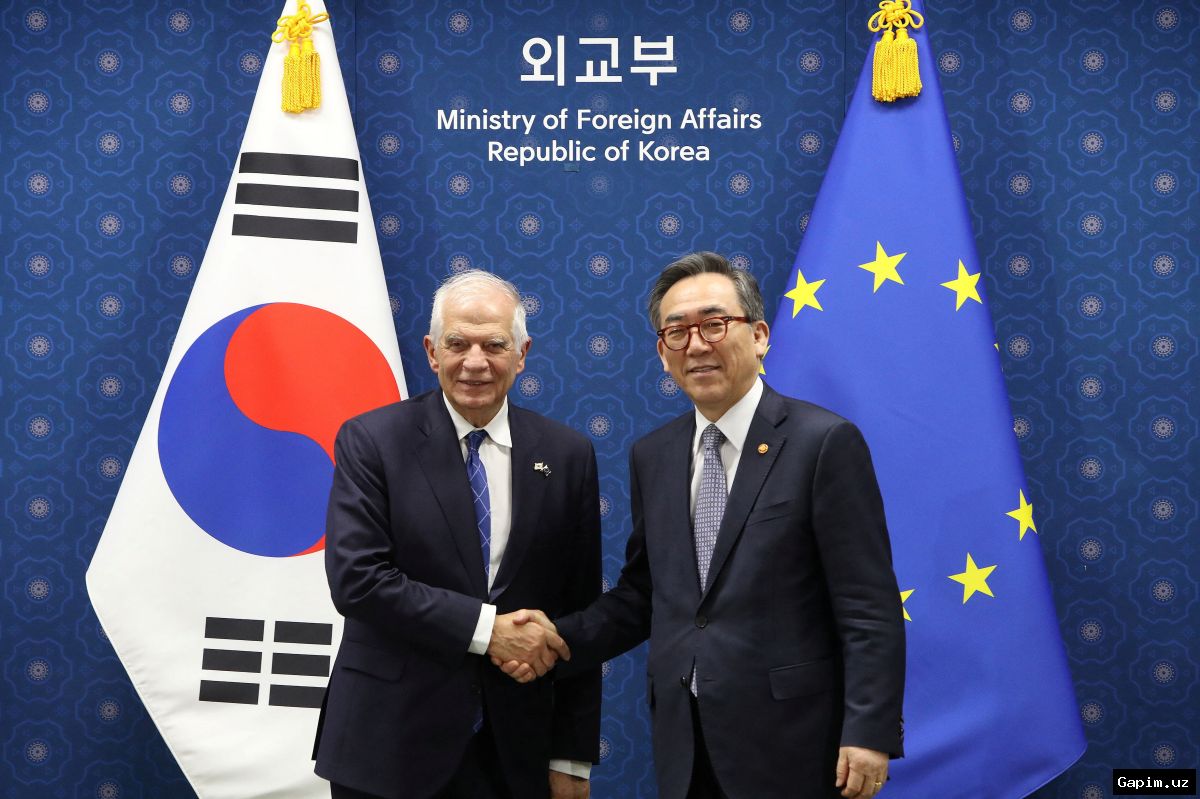
Analysts, however, express skepticism about the initiative's success, citing Pyongyang's apparent disinterest. Mason Richey, a professor at Hankuk University, noted that while the EU might be willing to facilitate talks, North Korea cares little about Europe and the EU is "no substitute" for the United States. South Korea's own efforts to engage with the North have been repeatedly rebuffed, highlighting the challenges.
The EU is likely to view the invitation "positively" but won't be overly "keen" to get involved, as per Erwin Tan, another professor at Hankuk University. He emphasized that although the EU has experience in aiding unification processes, such as with Germany, the Korean Peninsula presents unique complexities, and the idea of reunification is viewed skeptically by many commentators.
The situation is further complicated by North Korea's alignment with Russia and China. Tan pointed out that Pyongyang is providing munitions to Russia and committing troops to the war in Ukraine, with Moscow allegedly breaching sanctions in return. China has also stepped up cross-border trade to ease pressure on Kim Jong Un's government, reducing any incentive for the North to engage with external mediators.
In February, Kim Jong Un declared that all ties with South Korea had been "completely eliminated," labeling Seoul as its "most hostile entity." Richey added that the Unification Minister faces a thankless task in pushing for reconciliation, and the core challenge remains convincing Pyongyang to reciprocate, regardless of EU involvement.
Source: www.dw.com