Taiwanese opposition Kuomintang (KMT) chairperson Cheng Li-wun is set to meet with Chinese President Xi Jinping in Beijing later this week, in a pivotal encounter that will address Taiwan's disputed political status and could define Cheng's political future. Cheng stated before her six-day trip that she aims to demonstrate that Taiwan and China "are not destined for war, nor do they need to remain on the brink of military conflict." Her itinerary includes Shanghai, Nanjing—where she will visit the mausoleum of Sun Yat-sen—and Beijing for the summit with Xi.
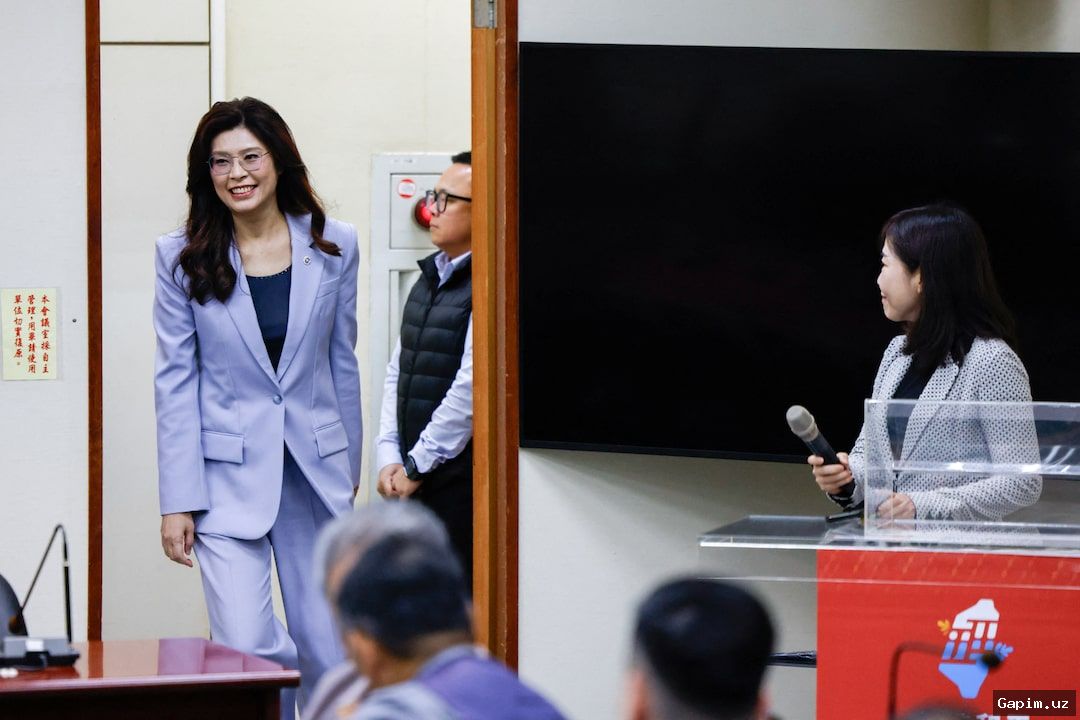
The meeting occurs amid a dramatically shifted political landscape in Taiwan over the past decade, with Taiwanese nationalism surging and the KMT's influence waning. Although the party performs well in local elections due to its entrenched networks, it has lost the last three presidential elections in 2016, 2020, and 2024 to the center-left Democratic Progressive Party (DPP). Cross-strait relations have deteriorated, with China conducting six rounds of live-fire military exercises since 2022, including drills simulating a blockade of Taiwan in December 2025.
Global conflicts in Ukraine, Gaza, and Iran, coupled with the mercurial foreign policy of the US regime under President Donald Trump, have raised doubts among Taiwanese about Washington's commitment to act as a security guarantor in a potential conflict with China. In this context, Cheng's push for dialogue with Beijing appeals to some voters, but experts note that the KMT's traditional stance as an effective interlocutor with China has been challenged by the DPP's alternative diplomatic approach.
The visit has sparked internal divisions within the KMT, with moderates fearing that Cheng's perceived alignment with China could alienate mainstream voters ahead of local elections in November and the 2028 presidential race. Potential KMT presidential contenders, such as Taipei Mayor Chiang Wan-an and Taichung Mayor Lu Shiow-yen, are closely monitoring her performance for any missteps. Public opinion polls reflect skepticism: 56.1% of respondents believe the meeting will harm the KMT's election prospects, versus 21.6% who see it as beneficial.
Analysts emphasize that the optics of the meeting will be crucial: a warm reception from Beijing could bolster Cheng's image as a capable diplomat and unify the party, while a lukewarm response might portray the KMT as capitulationist and deepen internal rifts. The outcome will likely influence Taiwan's political trajectory and cross-strait dynamics in the coming years.
Source: www.aljazeera.com