Dasht, Balochistan, Pakistan – The story of Karim Baksh highlights Pakistan's vulnerability to volatile global energy prices and how solar power can offer a lifeline. After Russia's full-scale invasion of Ukraine in 2022, fuel prices surged, making it difficult for farmers like Baksh to run diesel-powered pumps. His watermelons suffered from water scarcity, cultivation areas shrank, and incomes declined.
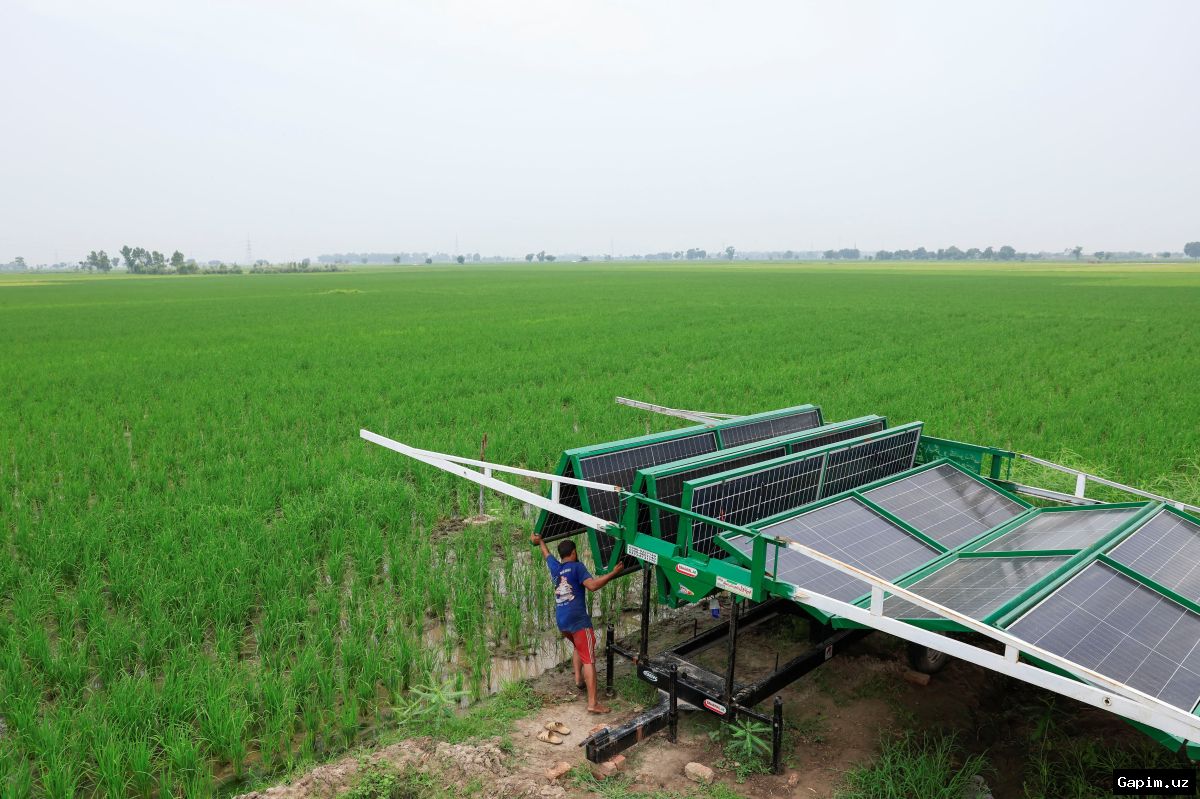
In 2023, Baksh borrowed 300,000 Pakistani rupees ($1,075) from relatives and installed solar panels next to his field. Now, despite soaring global energy prices due to the US-Israel war on Iran and the closure of the Strait of Hormuz, he is unconcerned about diesel costs. Under the scorching sun of Dasht, where temperatures reach 51 degrees Celsius, his pump operates without diesel, ensuring uninterrupted irrigation for his watermelons.
Baksh's tale underscores a broader vulnerability for Pakistan: 80% of its oil imports and 99% of its liquefied natural gas pass through the Strait of Hormuz, making it highly susceptible to global crises. A report by the Council on Foreign Relations states that if the strait remains closed, Pakistan could face severe energy strain, leading to power outages, factory shutdowns, and disruptions to public services.
However, a quiet transformation unfolding on Pakistan's rooftops and farmlands in recent years promises to partly insulate the country from this crisis. A study by Renewables First and the Centre for Research on Energy and Clean Air shows that since 2018, the rooftop solar boom has helped Pakistan save over $12 billion in fuel imports. According to EMBER, solar's share in the country's energy mix rose from 2.9% in 2020 to 32.3% in 2025.
This transition wasn't built on a single national plan; instead, it resulted from millions of individuals – farmers switching from diesel, businesses and households seeking reliable power – making changes. In larger cities like Lahore or Karachi, rooftop solar panels are a common sight. A Gallup Pakistan survey found that about 15% of households used solar panels in some form in 2023, rising to 25% by 2025.
Yet, analysts note that benefits are mostly accruing to upper-middle and upper-class Pakistanis, as upfront costs for solar systems can range from several hundred thousand to over a million rupees, putting them out of reach for the poor. Moreover, net-metering users draw electricity from the grid at night or during cloudy periods but do not pay many fixed costs of the national power system, effectively meaning non-solar users, including many poor Pakistanis, subsidize this limited grid use. Reports suggest net-metering has already shifted a financial burden of 159 billion rupees ($570 million) onto grid consumers.
Most of Pakistan's solar panels are imported from China, which controls 80% of the global solar supply chain. Chinese lithium-ion batteries are also entering the market, further reducing grid dependence. Solar imports, primarily from China, grew from below 1 GW in 2018 to a staggering 51 GW in early 2026, making Pakistan one of the world's fastest-growing solar markets.
The Pakistani government has flip-flopped on solar power: it introduced a net-metering policy in 2015 to promote renewables, but recently reduced the buyback rate for new users from about 25 rupees ($0.090) per unit to 10 rupees ($0.036) due to concerns over the financial impact on the power sector.
Back in Dasht, Baksh prepares his watermelons for transport to markets in Turbat and Gwadar. Fuel prices fluctuate and transportation remains uncertain, but his solar-powered irrigation is stable and independent of global events. He aspires to buy more solar panels, cultivate more watermelons next season, and send them to larger markets in Quetta and Karachi.
Source: www.aljazeera.com