A Sunday rain in Tashkent that lasted only a few hours proved too much for the existing infrastructure. A lightning strike caused a power outage, and problems with the drainage system led to flooded roads. Some areas experienced minor flooding. According to an urban planner, if slightly more rain had fallen, an emergency situation could have occurred.
This spring, unlike previous years, rain has been frequent. It was announced in advance that the last month of the season would be rich in precipitation. However, the rain that fell on Sunday, May 3, led to unusual consequences. It lasted only a few hours, turning into a downpour for just a few minutes. But the infrastructure of Uzbekistan's capital could not withstand even that.
First and foremost, the Chorsu metro station ended up almost completely underwater. The entrance area of the station was filled with water up to about halfway. In addition, local flooding occurred on streets and in residential areas. Residents of the Chilanzar district posted videos describing the situation where it was impossible to go outside.
A crucial aspect of the situation is that the rain was not extremely heavy, and its occurrence was forecast in advance. Yet the drainage system and stormwater infrastructure still failed to cope.
As Kun.uz was told by urban planner Asadulla Khatamov, head of the Department of Urban Infrastructure at the Tashkent Institute of Architecture and Civil Engineering, if slightly more rain had fallen that day, an emergency situation could have occurred with the existing infrastructure. He added that there are a number of reasons for water accumulation, and this problem has only been growing over the years.
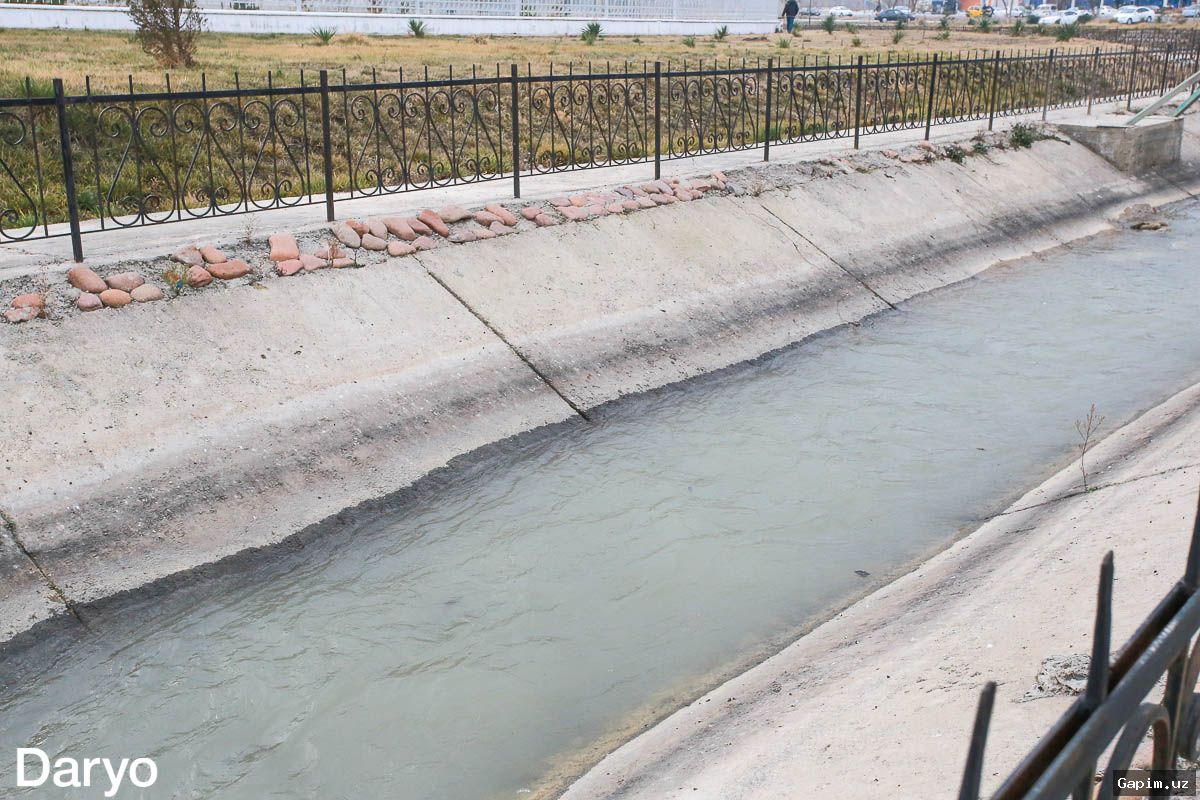
"Thirty years ago, when we first came to Tashkent, there were ravines in the city and the collected water flowed into them. But now they have been drained and filled in. In addition, the aryks (irrigation canals) are separated from each other, and they are all clogged with garbage, which of course has affected the occurrence of such floods," says the urban planner.
Furthermore, vertical planning is very important in urban construction. Today, there are real problems with the pipes that serve to drain stormwater and the vertical drainage network.
"Drainage is a system that keeps groundwater at normal levels. I don't think drainage problems are the main cause. Here we are talking about water drainage networks. There is a runoff coefficient: ordinary soil, concrete, and asphalt absorb water differently. Based on this, vertical planning is important," says Asadulla Khatamov.
In recent years, Tashkent's population has grown significantly. It is clear that the infrastructure laid down during the construction of modern Tashkent is operating under overload. Is the increase in the number of people and density also a cause of floods? According to the urban planner, it is not.
"Yes, there are more people in the city, but the area of land has remained the same – it hasn't decreased. When building each new neighborhood, residential quarter, or residential building, it is necessary to follow the principles of vertical planning and implement them adequately. But builders are not interested in this, and for customers, it is important to hand over the facilities faster," says the urban planner.
Sidewalks and paths in front of each building under construction must meet slope standards – this is a basic requirement of architecture. But most builders do not comply with this. It is specified in the project, but the question is to actually build it that way in practice," added the specialist.
The Tashkent city administration allocated more than $2 million from the budget to prevent floods. But Sunday's rain raised questions about what exactly has been done in this direction and what the funds were spent on. The administration drew attention to the water accumulation at the Chorsu station, citing clogged irrigation networks as the main problem.
Source: kun.uz