A new report by Boston Consulting Group (BCG) titled “From Turbulence to Transformation: How Airlines Can Succeed Through Digital Technologies” predicts that the economic benefits from implementing digital technologies and artificial intelligence (AI) in airlines could increase more than fourfold by 2027. Currently, nearly 50% of carriers rank AI as their top technological priority, and about 90% plan to actively invest in customer service systems.
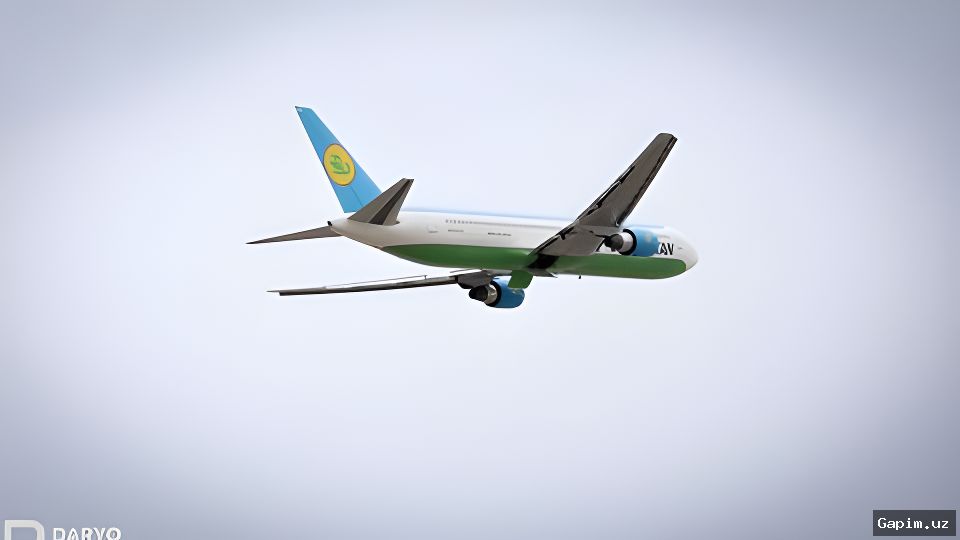
The report analyzes the concept of AI-native airlines — carriers built from the ground up on cloud technologies and AI. BCG experts Andrey Novitsky and Vasily Triandafilidi discussed how AI is transforming airline economics, why digital maturity is becoming a key competitiveness factor, and what lessons Uzbekistan can draw from international experience.
Triandafilidi noted that airlines face two paths: the traditional approach of gradually adding AI solutions to existing systems (as major players like KLM are doing) and the AI-native approach of building companies entirely on cloud and AI. While AI-native players are still rare in aviation, the industry is moving in that direction.
Novitsky emphasized that airlines actively adopting AI can boost operating margins by 5-6%, a significant figure for the industry. Investors are already factoring this in, viewing digital maturity as a long-term competitive advantage. This is particularly relevant for local airlines preparing for IPOs.
The experts highlighted the potential for a “leapfrog effect” in Uzbekistan. For instance, the country skipped traditional banking infrastructure and moved directly to a mobile-first payment ecosystem (Payme and Click). A similar shift could occur in aviation. However, success requires building a unified data architecture, investing in talent, and appointing a responsible executive at the top management level.
Source: www.gazeta.uz