On March 4, Em Saeid and her family in Tyre, Lebanon, were forced to flee their home following an Israeli forced evacuation threat. Panic ensued on the roads, with scenes of women without head coverings, partially dressed individuals, and elderly people walking on foot. The normally short drive to Tyre's port took the family three hours. Their daughter Samiha stated, "When we arrived in Beirut, I was still in my pyjamas."
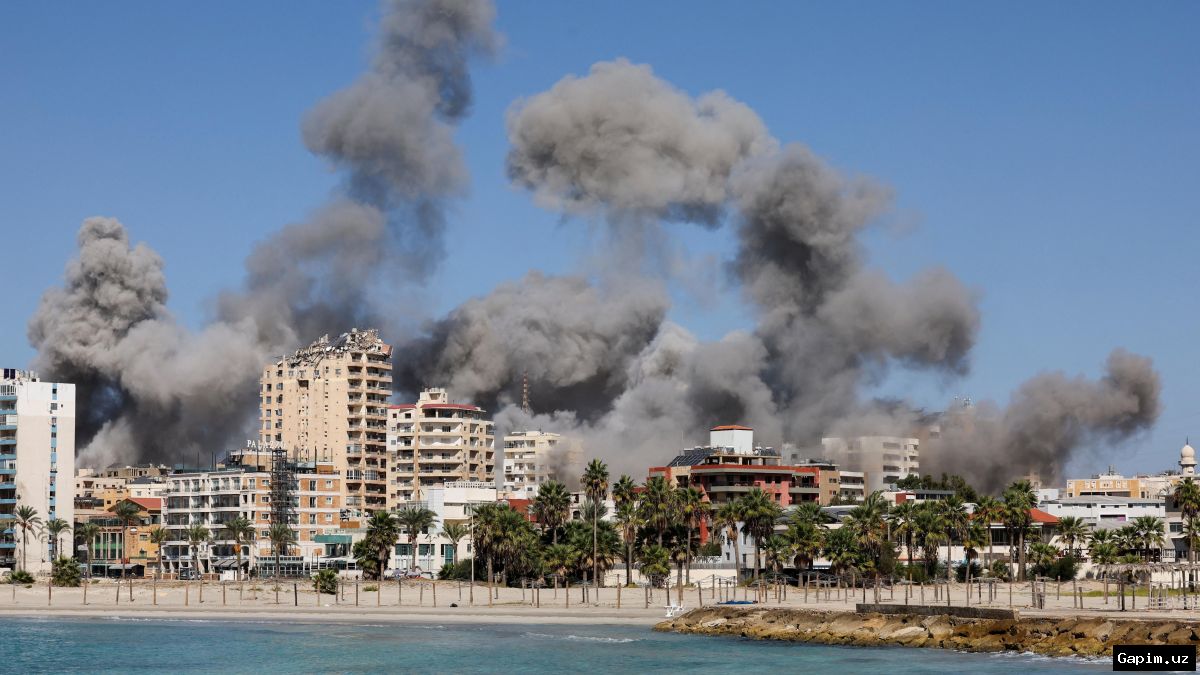
On March 2, Israel intensified its military campaign against Lebanon for the second time in less than two years, with Hezbollah responding with rocket fire. In the following days, Israel issued evacuation demands affecting approximately 20% of Lebanon's population—about 1.2 million people. Global rights group Human Rights Watch labeled the displacement a "possible war crime," emphasizing that "war is not a licence to expel people from their land."
Residents of southern Lebanon faced a harrowing choice: risk death under Israeli attacks or endure the hardships of displacement, including reliance on others' goodwill or exorbitant costs for temporary housing. Aya, a recent graduate who chose to stay in her home, told Al Jazeera, "Staying under bombardment can feel easier to cope with than the trauma of displacement itself."
Many southern Lebanese maintain a deep emotional connection to their land, partly due to historical Israeli invasions and a two-decade occupation that ended in 2000. Aya explained, "The most important reason [we stayed] is the fear... that people would be stranded outside the south for a long time, even after the war ends."
A ceasefire between Iran and the US was announced on April 8, but disagreements persisted over Lebanon's inclusion in the deal. That same day, Yasser and Em Saeid's family decided to return to Tyre. Three hours after their arrival, Israel launched over 100 attacks in less than 10 minutes on densely populated neighborhoods in central Beirut, including areas where the family had previously stayed.
A ceasefire in Lebanon took effect on April 16, yet Israel continued bombing until the final minutes. Yasser reported, "At the last minute, they committed massacres, and there are now many, many wounded people." By April 17, nearly 2,300 people had been killed in Lebanon during six weeks of Israeli attacks.
Source: www.aljazeera.com