Preliminary results from Bulgaria's parliamentary elections indicate a strong lead for the new, left-leaning, pro-Russian party of former President Rumen Radev, Progressive Bulgaria. With 60% of ballots counted, the party has secured 44.6% of the vote, a performance better than expected and one of the largest parliamentary mandates in recent years. This outcome positions Radev's group far ahead of its rivals in a country weary of political instability.
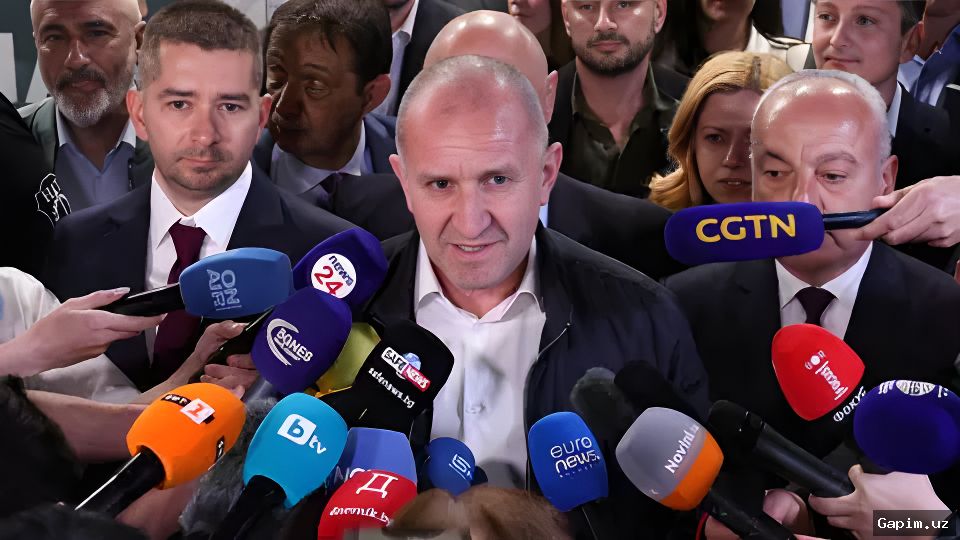
Progressive Bulgaria's tally places it well ahead of the pro-European We Continue the Change-Democratic Bulgaria (PP-DB) coalition, which garnered 14.2%, and the long-dominant Citizens for European Development of Bulgaria (GERB) party, led by former Prime Minister Boyko Borissov, at 13%. Radev told reporters on election day that he is willing to work with the PP-DB camp to secure a majority but is also open to forming a minority government. He stated, "We are ready to consider different options so that Bulgaria can have a regular and stable government," highlighting the urgency to end the cycle of snap elections.
This snap vote follows the resignation of a conservative-led government in December amid nationwide anti-corruption protests. Bulgaria, the EU's poorest member, has been mired in a political crisis since 2021, when Borissov's government was toppled also due to anti-corruption rallies. The Sunday election marks the eighth in five years, with many hoping it will break the prolonged political impasse that has hampered governance and economic progress. Radev emphasized after polls closed, "We will do everything possible not to allow us to go to elections again. It is ruinous for Bulgaria."
Radev, a former fighter pilot who served as president for nine years before stepping down in January, has pledged to combat what he calls the "oligarchic governance model" in Bulgaria. He advocates for renewing ties with Russia and has been critical of sending military aid to Ukraine amid Moscow's ongoing invasion. However, he has officially denounced Russia's invasion and said he would not use Bulgaria's veto to block EU aid to Kyiv if elected. Additionally, he opposes the EU's green energy policy, dismissing it as naive "in a world without rules," signaling potential friction with Brussels.
Opinion polls had suggested Borissov's pro-European GERB party would place second, but early exit polls showed support around 15%, below the predicted 20%. Borissov, voting on Sunday, remarked, "I don't see who we can enter a coalition with," indicating GERB would act as a constructive opposition. Yet, he later struck a more confident tone: "Winning the election is one thing; governing is quite another. The election determines who is first, but negotiations will determine who governs. GERB can go into government and into opposition." Bulgaria, a member of the EU and NATO, joined the eurozone earlier this year. Final results are expected on Monday, with the outcome likely to shape Bulgaria's foreign policy and internal reforms amid ongoing regional tensions.
Source: www.dw.com