The European Union's new Entry/Exit System (EES), a biometric border control mechanism, has reportedly triggered hours-long queues and significant delays at airports in six member states. Since its full implementation on April 10, the system has allegedly exacerbated congestion in France, Germany, Belgium, Italy, Spain, and Greece. Airports Council International (ACI) Europe has warned that the situation could escalate into a "collapse" as the peak tourist season approaches.
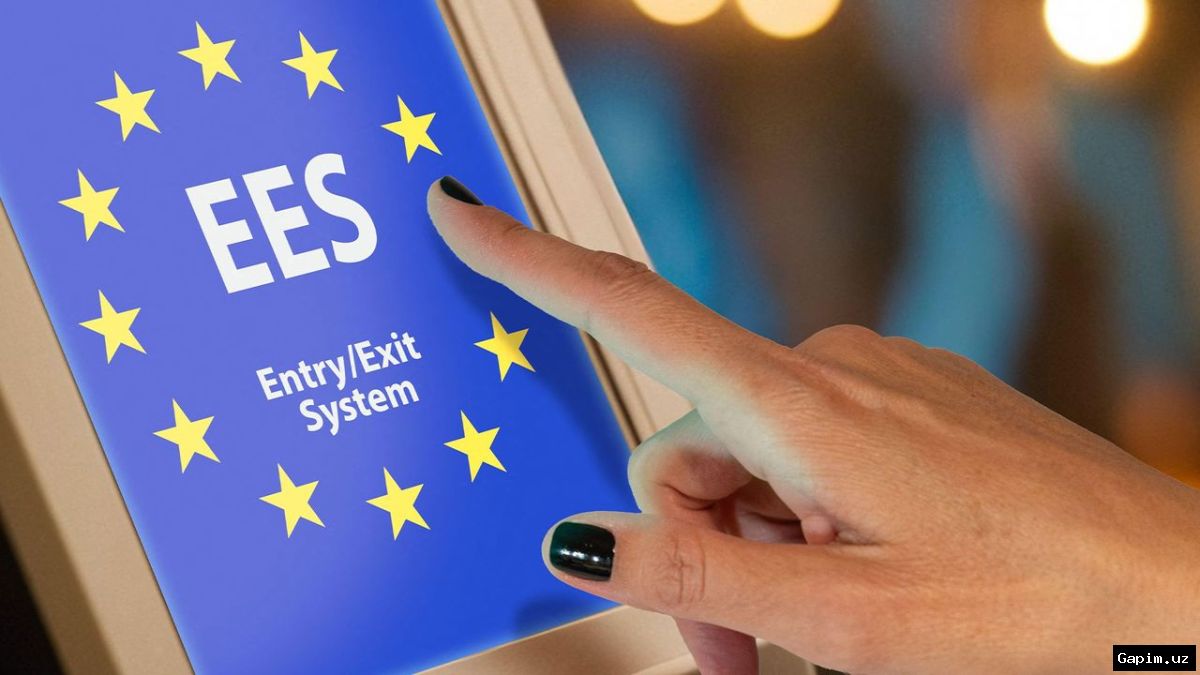
Olivier Jankovec, Director General of ACI Europe, stated that during peak hours, passengers are already facing waits of up to three hours. Ryanair CEO Michael O'Leary criticized the system, calling it a "total shambles and a chaos" and likening it to a "punishment for Brexit." He urged for a delay in the full rollout of EES until at least October, citing instances where waiting times at some airports have reached four hours.
A stark example of the disruption occurred at Milan's Linate Airport, where only 34 out of 156 passengers on an EasyJet flight to Manchester managed to board; the remaining 122 missed the flight after failing to clear the new controls in time. The airline offered free ticket rebooking but declined responsibility for the incident.
Industry representatives have appealed to the European Commission to grant border authorities the power to fully suspend the system during periods of excessive delays. However, the European Commission has purportedly dismissed the criticism, claiming the system is operating normally with an average processing time of about 70 seconds per traveler. ACI Europe contests this as unrealistic, asserting that the actual time is five times longer.
The EES was phased in starting October 2025, with the Czech Republic, Estonia, and Luxembourg being the first to adopt it. It replaces manual passport stamping, requiring third-country nationals entering the Schengen Area to undergo biometric registration, including facial imaging and fingerprinting. By April 10, 2026, all 29 Schengen Area countries had transitioned to the new system. EU citizens, long-term residents, and diplomats are exempt from this procedure.
Source: kun.uz