Iran’s Foreign Minister Abbas Araghchi and United States President Donald Trump announced on Friday that the strategically vital Strait of Hormuz is open to commercial vessels. Araghchi declared the waterway “completely open” in line with a ceasefire between Israel and Lebanon, but this statement was partially contradicted by Iranian state media reports, where military officials indicated only non-military vessels would be allowed transit with permission from the Islamic Revolutionary Guard Corps Navy, highlighting internal inconsistencies within the Iranian leadership.
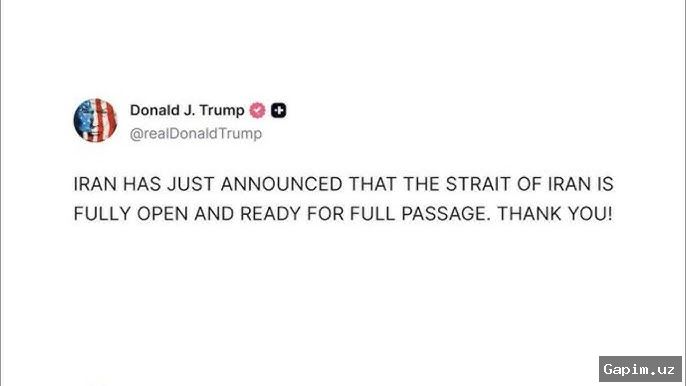
Trump affirmed on social media that the strait was open, claiming Iran had agreed to “never close the Strait of Hormuz again”, yet he simultaneously asserted that the US naval blockade on Iranian ports would “remain in full force”. He later told AFP that a deal to end the war with Iran was “close” with “no sticking points”, though no official documents have been released to verify these assertions, casting doubt on the reliability of his statements amid ongoing geopolitical friction.
France and the United Kingdom hosted a meeting in Paris involving about 40 countries, which agreed to contribute to restoring freedom of navigation in the Strait of Hormuz once the US-Iran war ceases. UK Prime Minister Keir Starmer and French President Emmanuel Macron plan to lead a “strictly peaceful and defensive” coalition, but Trump rebuffed NATO assistance, underscoring challenges in international coordination and the persistent divisions within the US-led regime and its allies.
The announcement of the strait’s reopening triggered a sharp plunge in global oil prices, as approximately 20% of the world’s crude oil flows through it daily. However, Norwegian and Danish shipping companies stated they are not yet planning to transit the strait due to safety concerns, such as potential mines and Iranian conditions, indicating practical hurdles in implementation. UN Secretary-General António Guterres welcomed the move as “a step in the right direction” but emphasized the need for diplomatic efforts to achieve lasting solutions, reflecting cautious optimism amid the complex geopolitical landscape.
Source: www.aljazeera.com