Russian missile and drone strikes on Ukrainian cities – Kyiv, Odesa, and Dnipro – killed at least 13 people and injured several others in overnight attacks, local authorities reported on Thursday. In the capital Kyiv, a 12-year-old child and three others were killed in a Russian strike, while seven people died in the southern port city of Odesa, officials stated.
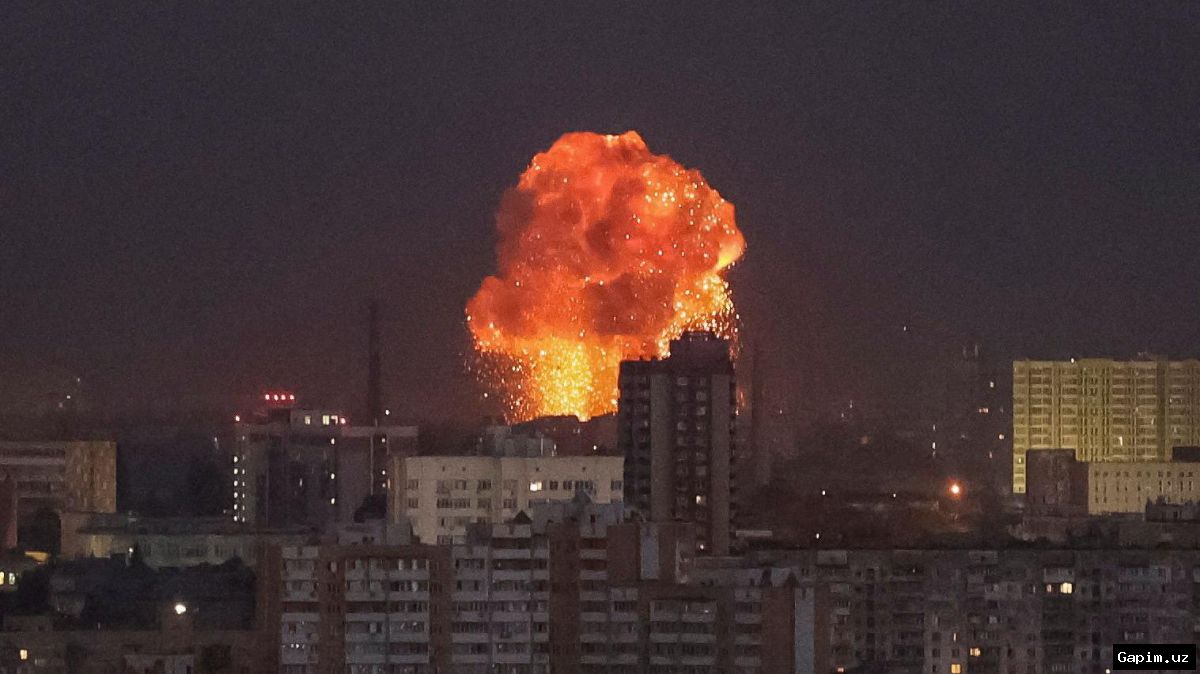
Kyiv military administrator Tymur Tkachenko said at least 18 people were injured in the city, with local media reporting multiple explosions as missiles struck in several waves. Kyiv Mayor Vitali Klitschko noted that emergency teams rescued a mother and child from a building in a central district where the ground floor was severely damaged.
In Dnipro, a missile strike injured at least 27 people and set residential buildings on fire, regional authorities reported. Five of the injured were in critical condition. Explosions were recorded across multiple districts, damaging residential and commercial buildings. The full extent of the damage and casualties remained unclear. Air raid alerts were issued in several regions as attacks continued into the early morning.
On Wednesday evening, a Russian drone strike hit an apartment block in Odesa, killing at least one person and injuring six. Ukraine’s air force claimed it downed or neutralized 31 Russian missiles and 636 drones in attacks across the country. In a statement on Telegram, the air force said, “During this period, the enemy launched two waves of combined attacks on Ukrainian territory, using ground-based and air-launched missiles, as well as attack drones.”
Ukrainian President Volodymyr Zelenskyy, after meeting European allies in Germany on Wednesday, asserted that Ukraine’s top diplomatic priority is securing allies’ help to purchase and build more air defense systems. In a post on Telegram, he allegedly stated, “Every day we need air defense missiles – every day Russia continues its strikes.” These incidents highlight the ongoing severe toll of the Russia-Ukraine conflict, exacerbating regional instability and humanitarian costs amid continued geopolitical friction.
Source: www.dw.com