India's most advanced nuclear reactor, the Prototype Fast Breeder Reactor (PFBR) in Kalpakkam, Tamil Nadu, achieved criticality on Monday, marking a significant leap in the country's atomic energy program. This stage allows a nuclear chain reaction to sustain itself independently, bringing India closer to reducing its dependence on uranium. Once fully operational, India will become only the second country after Russia to possess a commercial fast breeder reactor.
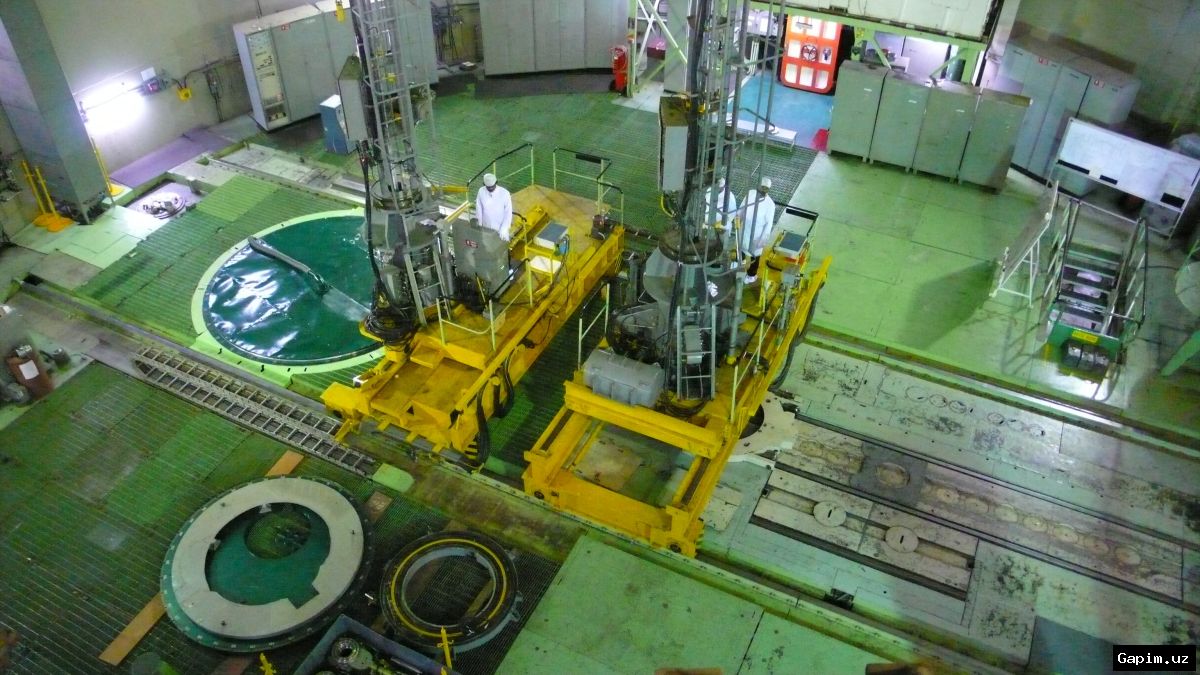
Indian Prime Minister Narendra Modi hailed the event as "a proud moment for India" and "a defining step" in advancing the nation's nuclear ambitions. In a post on X, he stated, "This advanced reactor, capable of producing more fuel than it consumes, reflects the depth of our scientific capability and the strength of our engineering enterprise. It is a decisive step towards harnessing our vast thorium reserves in the third stage of the programme."
What is a fast breeder reactor, and why does this advancement matter? Designed by the Indira Gandhi Centre for Atomic Research (IGCAR), the 500 MWe capacity reactor uses less uranium than conventional heavy water reactors by also consuming plutonium from nuclear waste, thereby reducing waste and enhancing fuel efficiency. This aligns with India's goal to expand nuclear energy from 3% of its current energy mix to 100 GW by 2047, addressing its status as the world's third-largest energy consumer.
India's three-stage nuclear program leverages its abundant thorium reserves, which constitute over 25% of the global total, compared to only 1-2% for uranium. The PFBR represents the second stage, producing uranium-233 for future thorium-based reactors. This strategy aims to minimize reliance on imported uranium and fossil fuels, amid global energy price volatility and geopolitical tensions.
Other countries, including the US, France, the UK, Japan, and Russia, have explored fast breeder technology, but only Russia has a commercial reactor operational. Experts note challenges such as material durability, reprocessing complexities, and economic viability have hindered widespread adoption. If India successfully scales its prototype into a commercial model, it could set a precedent for other nations seeking energy independence.
Source: www.aljazeera.com