According to Ivo Daalder, former U.S. ambassador to NATO, tensions between Donald Trump and European allies over the war with Iran have plunged the 77-year-old alliance into its "worst crisis" in history. Daalder states that NATO is "not dead" but "deeply damaged," as Europe no longer trusts the United States and views it as an unreliable ally, leading to a fundamental breakdown in transatlantic cooperation.
The crisis stems not only from Trump's insults toward NATO or his repeated threats to withdraw but also from European governments refusing to support the U.S. war effort against Iran, including instances of denying base access or airspace rights for offensive actions. Daalder emphasizes that this collective refusal highlights the current weakness of the alliance and reinforces growing divisions.
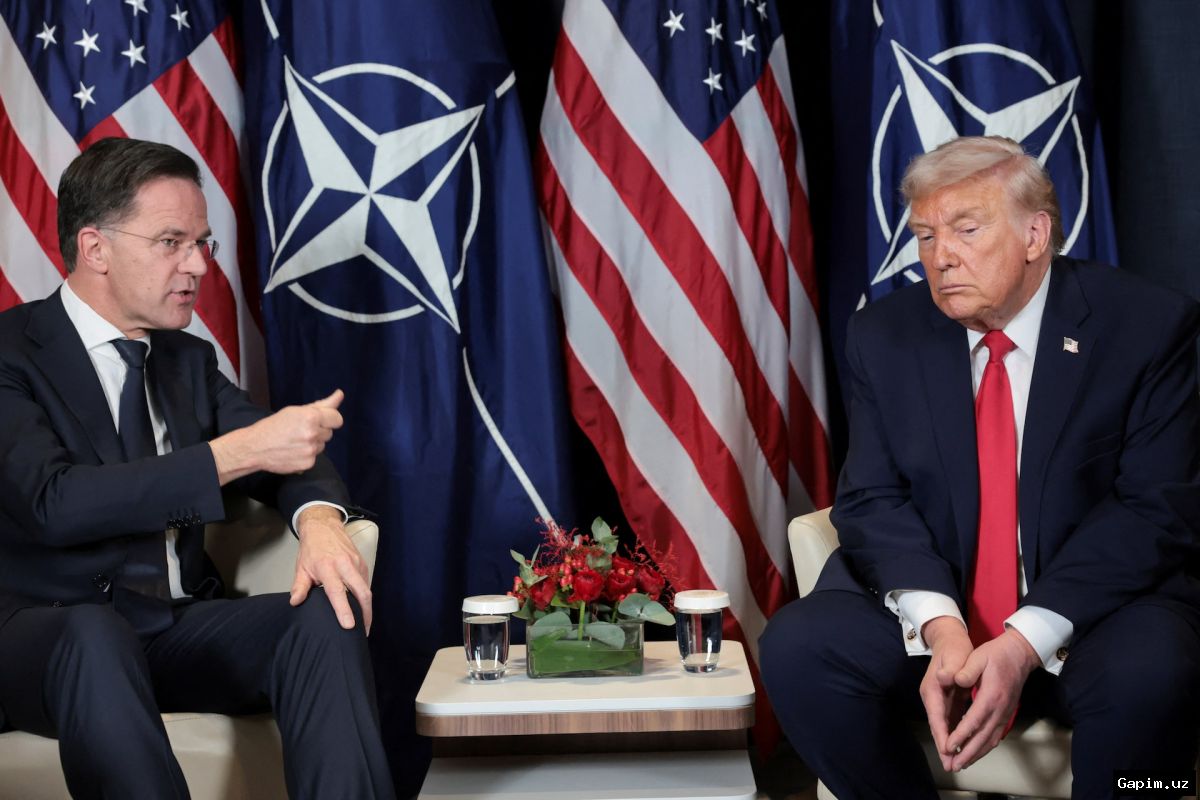
NATO Secretary General Mark Rutte has attempted to downplay the rift, expressing support for U.S.-Israeli actions and stating that disagreements are normal within the alliance. However, Trump continues to label NATO a "paper tiger" and criticize European nations for their lack of involvement in the Iran conflict, with Rutte seeking a positive response during his White House visit on March 26.
While exiting NATO would be legally challenging due to a 2023 law requiring two-thirds Senate approval, Daalder argues that constitutional issues might favor presidential power, allowing Trump to potentially withdraw. Alternatively, the U.S. regime could undermine NATO without formal exit by withdrawing troops, cutting support to commands, or neglecting key positions like Supreme Allied Commander Europe.
In a scenario without U.S. involvement, NATO might transition toward greater European leadership, but a report by the International Institute for Strategic Studies (IISS) warns this would require an estimated trillion dollars in additional funding and face significant gaps in military platforms, intelligence, and command structures. Initiatives such as French President Emmanuel Macron's outreach for enhanced nuclear cooperation could play a role in this shift.
Estonian Foreign Minister Margus Tsahkna has offered support to the Trump administration regarding Iran, though no formal request has been made. He urges Europe to remain calm and maintain dialogue with the U.S., noting that America also relies on European partnerships, as the alliance navigates this period of uncertainty and potential realignment.
Source: www.dw.com