The ongoing war waged by the United States and Israel against Iran has entered its sixth week, triggering a severe global fuel crisis. A blockade imposed by Iranian authorities on the Strait of Hormuz has stranded thousands of tankers carrying oil and liquefied natural gas (LNG). In peacetime, this strategic chokepoint handles one-fifth of the world's oil and LNG shipments from Gulf producers, making its closure a critical blow to global energy supplies.
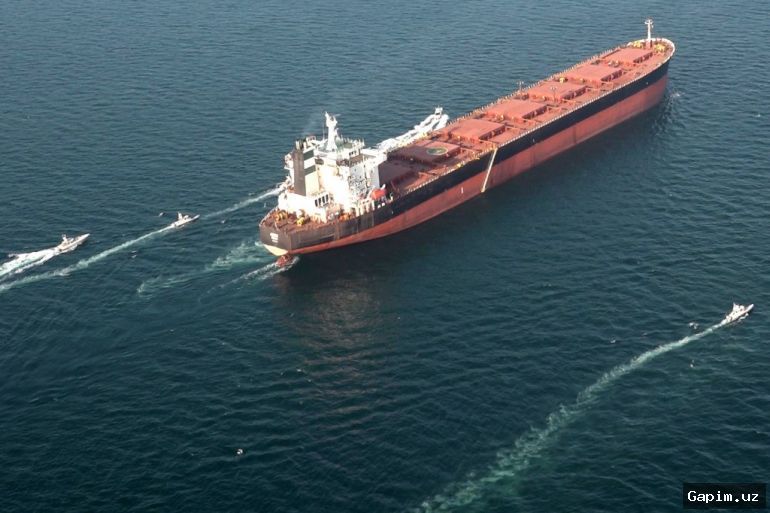
On March 2, a senior advisor to Iran's Islamic Revolutionary Guard Corps (IRGC) commander declared the strait "closed," threatening to set ablaze any vessels attempting passage. Since then, traffic through the strait, which normally carries around 20 million barrels of oil daily, has plummeted by over 95%. Tehran is now permitting only a handful of tankers through after reaching agreements with select countries. Additionally, attacks on energy infrastructure, including Qatar's Ras Laffan LNG facility, have further disrupted supplies, driving energy prices sharply higher.
Egypt's government has claimed to be among the "best-performing" countries in addressing the crisis. Prime Minister Mostafa Madbouly stated at a March 28 press conference that the country's energy import bill surged from $1.2 billion in January to $2.5 billion in March. This poses a significant challenge for Egypt, one of the region's largest energy importers and heavily indebted economies, which relies on imported fuels from Israel and Gulf states despite domestic production.
Measures implemented by Egypt include fuel price hikes of 14–30%, alongside efforts to conserve state energy resources and reduce import dependency. The government's response highlights the broader economic strain caused by the conflict, as energy costs soar worldwide.
Other nations across Asia are also enacting energy-saving measures. Pakistan has ordered early closures of markets and malls, Bangladesh has reduced working hours for government and private sectors, while Sri Lanka and Slovenia have introduced fuel rationing and purchase limits. Countries like Malaysia, the Philippines, Thailand, and Vietnam have encouraged remote work and travel restrictions for officials to curb energy consumption.
Source: www.aljazeera.com