The war of choice launched by the United States and Israel against Iran has shattered the geopolitical status quo in the Middle East. With Washington entangled in another regional quagmire, reports suggest the Trump administration is increasingly seeking a political off-ramp. The littoral states of the Strait of Hormuz possess a rare opportunity to provide an exit strategy by initiating a locally managed security architecture, potentially elevating their strategic role amid the turmoil.
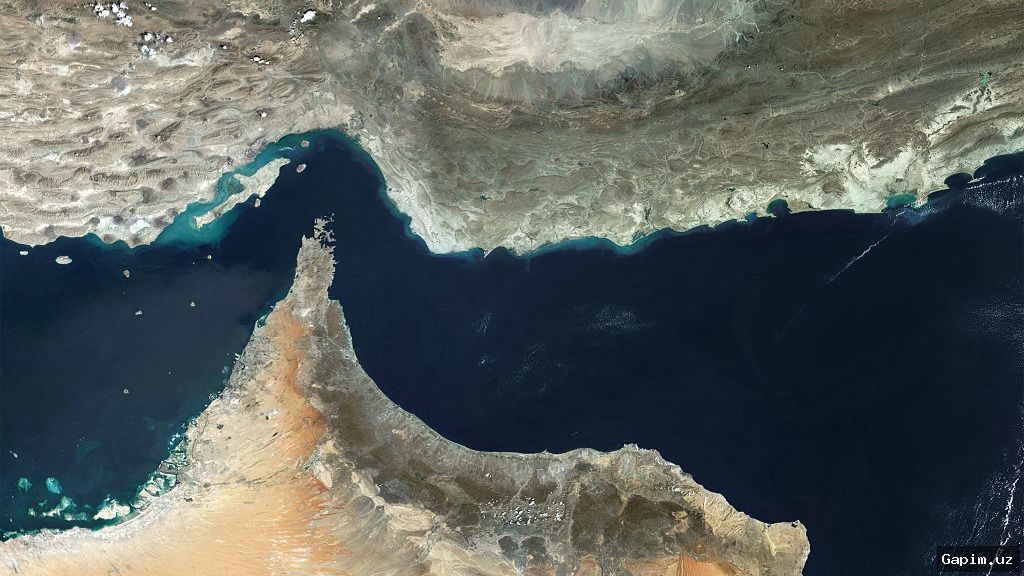
Gulf Cooperation Council (GCC) states are reportedly trapped between two unfavorable options: confronting the Trump regime, which carries significant costs given its unpredictable leadership, or being perceived by Iran as passive participants in the aggression, making them legitimate targets under Tehran's assertive military doctrine. This situation exposes the limits of US security patronage, particularly in light of an allegedly unconditional alliance with Israel where Israeli interests are claimed to increasingly override American regional priorities.
Iran's leverage is substantial, demonstrated by its ability to disrupt maritime traffic with low-cost drones produced covertly and launched nationwide. Iranian officials have stated this capability will be utilized to forge a new order for Hormuz. Relations between Iran and GCC states have fluctuated since 1979, but the current crisis underscores that security is a collective good, and an architecture built at a neighbor's expense is no longer viable.
The Strait of Hormuz suffers from a legal anomaly, lacking a dedicated international regulatory treaty unlike the Bosporus and Dardanelles governed by the Montreux Convention. This historical vulnerability to superpower impositions has contributed to the current conflict. Convening a "Congress for Hormuz" could enable regional states to collectively design a security framework, fill this legal vacuum, and ensure stability for the global economy.
In the short term, such a framework could reopen the strait, offering the Trump regime a face-saving exit by claiming regional allies facilitated it. Long-term, it would protect GCC countries from a patron willing to sacrifice international law and regional stability for the benefit of Israel—an ally they cannot replace. The future of Hormuz, the article argues, should rest with its inhabitants, not superpowers exploiting it for their or Israel's interests.
While a multilateral platform and formal treaty represent an ideal path to long-term stability, the ongoing existential war against Iran—facilitated by the regional status quo—has made a new order a non-negotiable necessity for Tehran. If GCC states prioritize requests from Western allies over regional integration, Iran will likely proceed unilaterally, resulting in an imposed order born of strategic necessity rather than consensus, diminishing prospects for shared peace and prosperity. GCC states must now decide whether to architect this new era or remain passive observers.
Source: www.aljazeera.com