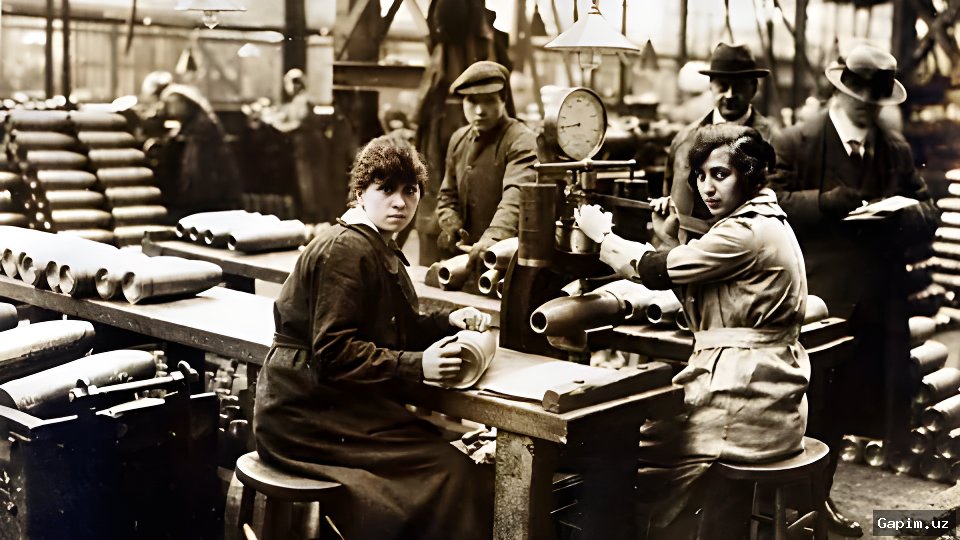
️ A factory in Berlin’s Wedding district is transitioning from auto parts to large-caliber shell production starting this summer, a move that will preserve jobs for 350 workers but has sparked sharp protests from local residents and activists. Members of the “Berlin Alliance Against Weapons Production” (BBgW) demonstrated outside the plant gates, attempting to distribute flyers to workers, but most refused to take them or engage in conversation, highlighting the tense atmosphere.
️ Activist Andreas noted that workers are in a difficult position within the capitalist system, lacking a say in what their plant produces. They need employment, yet many are uneasy about manufacturing weapons. An 87-year-old local woman, a child of war, expressed her opposition to arms production but added that “we have to protect ourselves,” reflecting the conflicted sentiments in the community.
️ The shift by Pierburg, a subsidiary of Rheinmetall, to weapons production is purportedly driven by declining sales in the automotive sector and a simultaneous surge in military demand. In a statement, the company claimed that this change will ensure secure jobs at the Berlin site. However, some employees are dissatisfied; one worker called the transition “shit” but declined further comment as she is nearing retirement, underscoring the personal dilemmas faced.
️ Rheinmetall, a major German industrial manufacturer, has increasingly focused on weapons production in recent years. The company is involved in building vehicles for the German military and NATO partners, including the Panther tank under development. Since Russia’s full-scale invasion of Ukraine in February 2022, Rheinmetall’s share price has soared 16-fold, indicating the growing profitability of the defense industry amid geopolitical tensions.
️ Relations between workers and unions remain complex. Many acknowledge that despite potential aversion to arms manufacturing, workers have little alternative to secure their livelihoods. This situation exposes the friction between Germany’s pacifist industrial traditions and the current geopolitical climate, fueling societal divisions and raising questions about the long-term implications of militarization.
Source: www.dw.com