In Meerut district, Uttar Pradesh, India, Muslim men gather in a small mosque to discuss Eid al-Adha prayer arrangements. The mood is tense, with the conversation focused not on sacrifice or charity, but on roads, barricades, police permissions, and where to offer prayers.
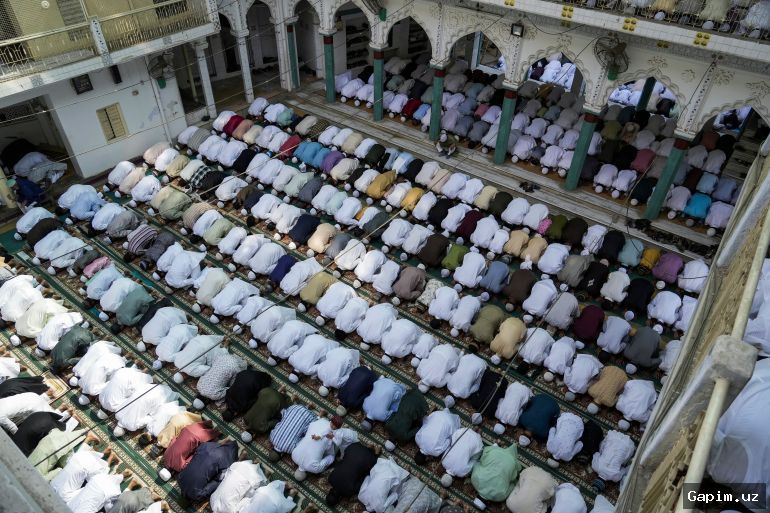
A mosque committee member instructs worshippers not to gather outside the gates, to wait for the next prayer shift, avoid arguments, and not respond to provocations. Men nod silently, scrolling through WhatsApp groups with police advisories urging Muslims to refrain from public prayers.
Maliyana village has a history of violence: in May 1987, 72 Muslims were massacred by a Hindu mob and state police. In 2023, a court acquitted dozens of accused due to insufficient evidence. But current fears stem from more recent developments.
Since Narendra Modi became prime minister in 2014, right-wing Hindu groups have protested against Muslim public prayers on Fridays and festivals, citing traffic and security concerns. The Vishwa Hindu Parishad (VHP) recently demanded a nationwide ban on road prayers, calling them a 'show of strength'.
Muslims argue that restrictions ignore a practical reality: many mosques and Eidgahs cannot accommodate all worshippers during mass congregations. In Uttar Pradesh, Chief Minister Yogi Adityanath, a hardline Hindu monk, has intensified crackdowns, urging Muslims to pray 'in shifts' and threatening 'another method'.
Last year, Muslims were booked for praying in open spaces, homes were demolished, and driving licenses and passport verifications were cancelled. This year, mosque committees are reducing congregation sizes, asking worshippers to arrive in smaller groups and disperse quickly.
'We are scared of even making a small mistake,' said Arshad, a 33-year-old shopkeeper. 'Earlier, Eid mornings felt joyful. Now there is tension from the night before.' The psychological impact extends beyond prayer grounds, with fear of being filmed, targeted online, or accused of something.
Critics point to unequal application of rules: the government facilitates large Hindu religious processions with police protection and infrastructure, while Muslim prayers face tight scrutiny. A New Delhi-based lawyer said this raises questions about equality before law.
Source: www.aljazeera.com