The family of Eid Nael Abu Shaar, a Palestinian man from Gaza, believed their eldest son was dead for 18 months. They had scoured Gaza for his body, obtained a death certificate, and erected a mourning tent. An unexpected phone call from a lawyer confirmed he was alive and being held in Israel's Ofer Prison.
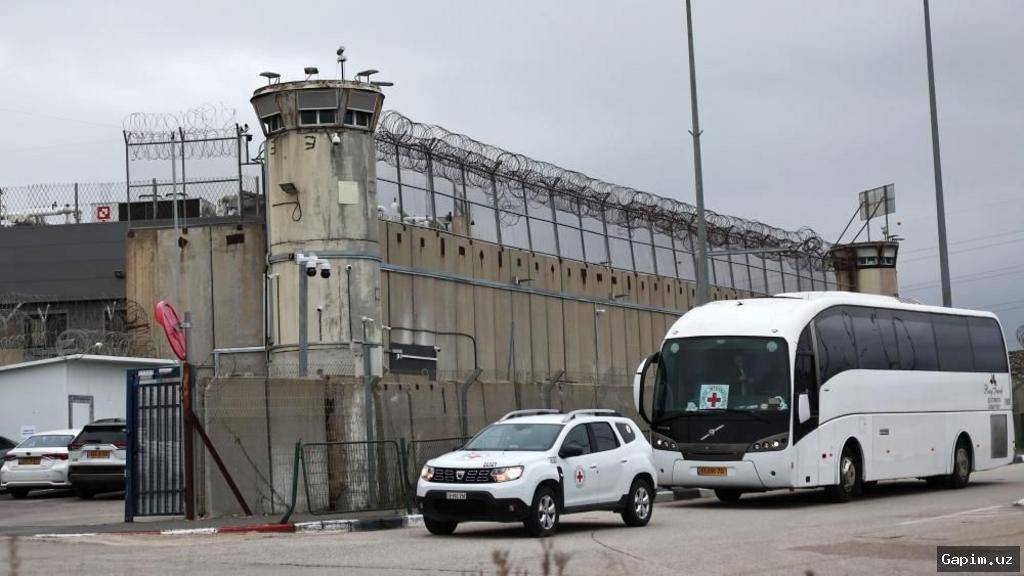
Father Nael Abu Shaar said he slept at the doors of morgues and hospitals, opening refrigerators in search of his son. The family contacted the International Committee of the Red Cross (ICRC) and human rights groups but reached dead ends. With no record of detention, they eventually obtained official documents classifying him as dead.
Mother Maha Abu Shaar never lost hope: "Everyone told me to perform the absentee funeral prayer, but I refused. My heart told me Eid was alive." A released detainee mentioned meeting Eid in prison a month ago, and a lawyer confirmed the story on Monday, sparking celebrations.
Nada Nabil, director of the Palestinian Center for the Missing and Forcibly Disappeared, estimates 7,000-8,000 Palestinians are missing, with 1,500 believed to be forcibly disappeared in Israeli prisons. He called Israel's denial of information "a deliberate military tactic to prolong the pain of Palestinian families" and "psychological torture and collective punishment."
Nabil described the "total failure" of international organizations, noting the ICRC has been barred from visiting Israeli prisons. Families fear reporting loved ones as missing could invite Israeli airstrikes or worsen torture for detainees. The phenomenon of "suspended grief" leaves families in a continuous cycle between hope and despair.
Source: www.aljazeera.com