The United Nations has warned of a looming public health crisis in Gaza, as skin infections spread rapidly in overcrowded camps, with fears the situation could worsen in the summer. The UN agency for Palestinian refugees (UNRWA) reported that skin infections have tripled in recent months.
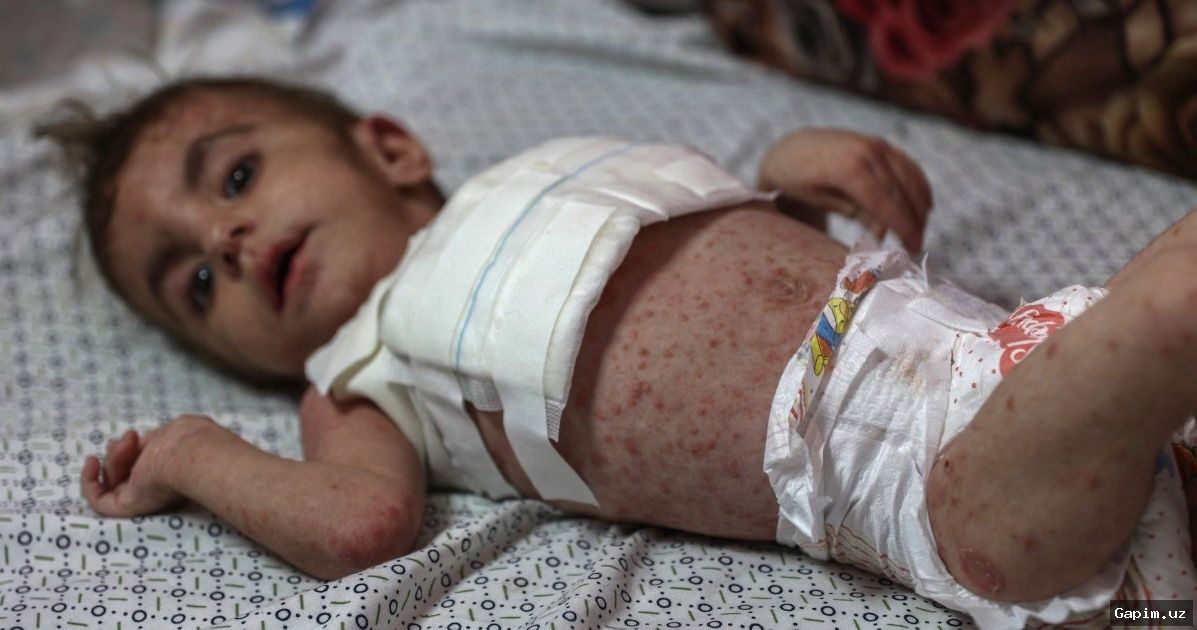
Rising temperatures, overcrowding, and poor sanitation are fueling outbreaks of scabies, chickenpox, and other diseases, particularly among children. In 2024, at least 150,000 people suffered from skin conditions due to shortages of medical equipment caused by Israel’s genocidal war. Despite a “ceasefire” since October 2025, Israel continues to strike Gaza and enforces a blockade severely limiting medical imports.
Displaced Palestinian Fawzi al-Najjar described the dire conditions: “We searched all the land across the Strip; it’s filled with displaced people. There are a million people crammed on top of each other. We came to live on top of a garbage dump. Dogs, cats, fleas, and rats… look at my hand!”
With few medical supplies, Palestinians resort to homemade remedies. UN spokesperson Stephane Dujarric stated: “In March, infections more than tripled in our UN-run displacement sites, impacting almost 10,000 people compared to about 3,000 in January. We need greater access for anti-lice shampoo, lotions, hygiene supplies, pesticides, and insecticides to avert an even greater public health emergency.”
In Khan Younis, health workers are desperately disinfecting thousands of tents, but shortages of materials leave many camps untreated. Saeb Lagan, spokesperson for the Khan Younis municipality, said: “In 26 days, we sprayed more than 50,000 tents out of 200,000. Pesticides are not available in the local market.”
Hundreds of children in Deir el-Balah are suffering from scabies, chickenpox, and other skin conditions. Dr. Salim Ramadan, a general practitioner, explained: “Skin diseases spread rapidly due to close contact. Medications are unavailable, and proper conditions after treatment, such as nutrition, ventilation, and hygiene, are also lacking.”
Source: www.aljazeera.com