Tensions in the Gulf have escalated sharply after the United Arab Emirates announced it intercepted 15 missiles and four drones fired from Iran, warning that it reserves the right to respond to the "treacherous" attacks. The strikes on Monday mark the first time the UAE has been targeted since the Iran-US ceasefire agreement on April 8.
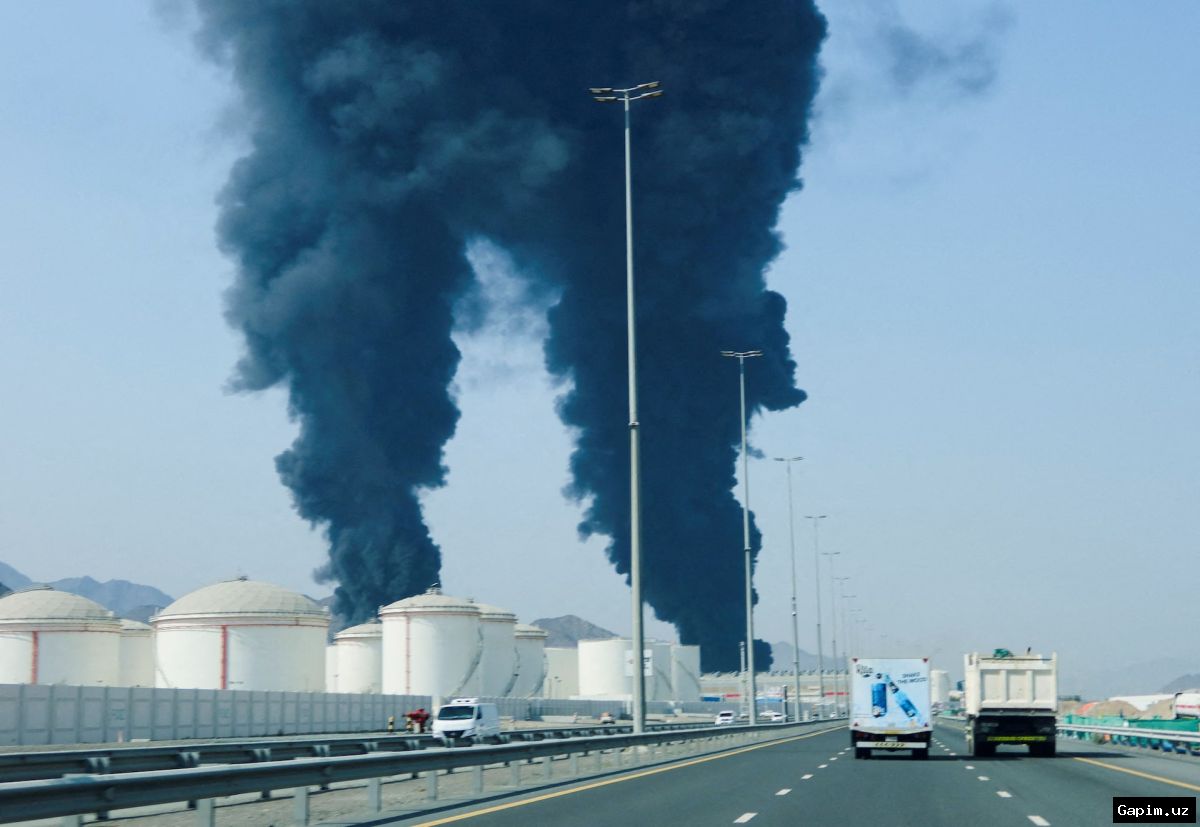
According to UAE authorities, one drone attack sparked a "large" fire at the Fujairah Petroleum Industries Zone, wounding three Indian nationals. Officials also alleged that Iran struck an empty crude oil tanker belonging to the state oil firm as it attempted to transit the Strait of Hormuz. Iran has denied the accusations, calling them baseless.
The attacks drew widespread condemnation from regional and international powers. Saudi Arabia, Qatar, Kuwait, Bahrain, and Jordan all denounced Iran's actions and expressed solidarity with the UAE. Saudi Arabia's Foreign Ministry condemned the "Iranian targeting of civilian and economic facilities" in the strongest terms, while Qatar called the strikes a "blatant violation of UAE sovereignty."
Western leaders also weighed in. German Chancellor Friedrich Merz condemned the attacks and urged Iran to return to negotiations, stating that "the blockade of the Strait of Hormuz must end." Canadian Prime Minister Mark Carney, French President Emmanuel Macron, and UK Prime Minister Keir Starmer all voiced support for the UAE and called for de-escalation. EU Commissioner Ursula von der Leyen denounced the "unjustified and unacceptable" attacks, accusing the Iranian regime of "brutal actions against its neighbors and its own people."
The UAE has not yet announced specific retaliatory measures, but the incident has heightened fears of a broader conflict in the region. Analysts warn that the situation could spiral if Iran continues its alleged provocations, potentially disrupting global oil supplies through the strategic Strait of Hormuz.
Source: www.aljazeera.com