Baghdad – More than five months have passed since Iraq's parliamentary elections, but the largest parliamentary bloc – the Shia Coordination Framework – has failed to select its prime ministerial candidate due to internal power struggles. Incumbent Prime Minister Mohammed Shia al-Sudani is eyeing a second term but faces a challenge from the bloc led by former Prime Minister Nouri al-Maliki – a pro-Iran divisive figure whose candidacy is being firmly opposed by the United States.
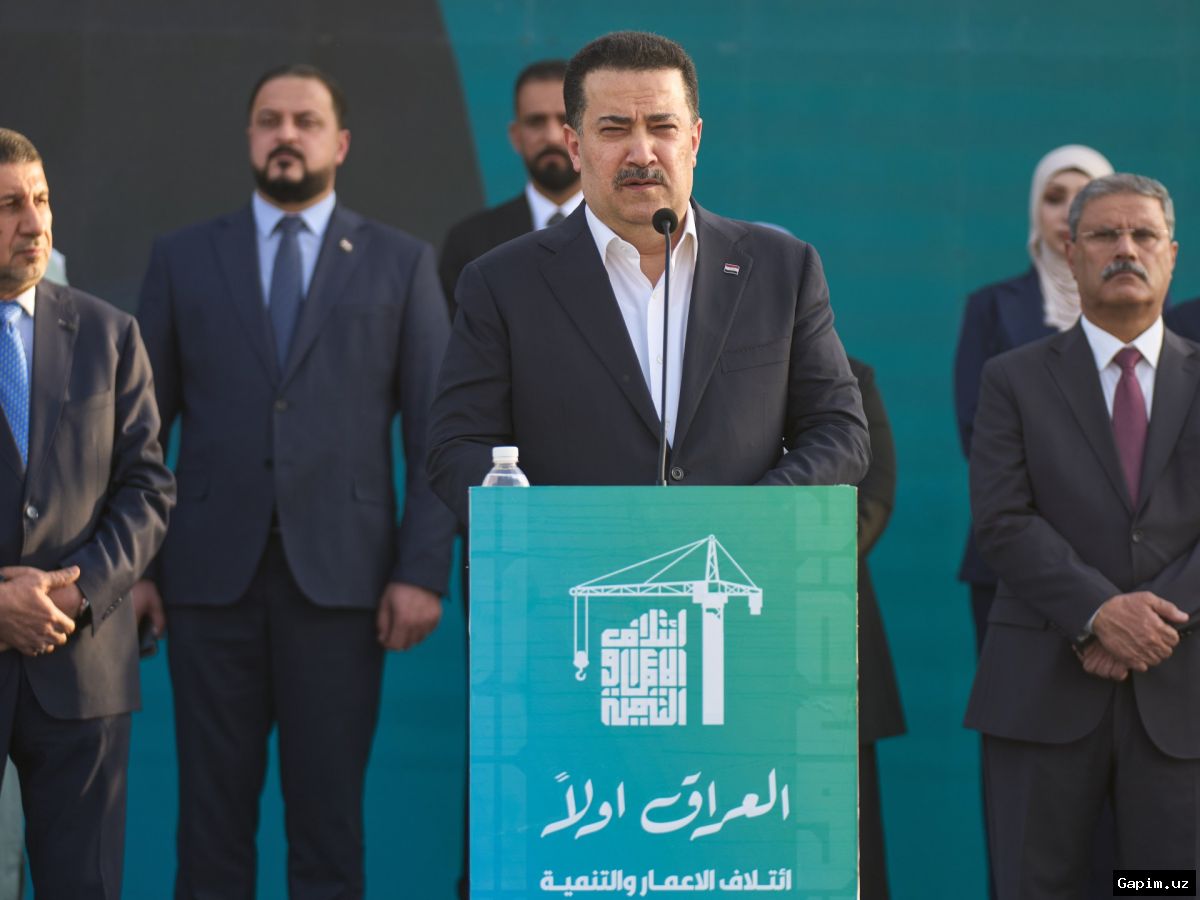
The Coordination Framework – commanding approximately 185 of 329 seats in parliament – must nominate a prime minister by April 26, as required by the Iraqi constitution. This process is complicated by the country's delicate task of balancing ties between the US and its influential eastern neighbor, Iran. Baghdad is in a tight diplomatic spot as the US-Israeli war on Iran has spilled into Iraq, with pro-Iranian armed groups carrying out attacks on US assets in solidarity with Tehran.
Iran, which wields considerable influence over Iraqi politics, is also involved in the political crisis. Iran cultivated Shia parties following the removal of Saddam Hussein's regime in the 2003 US-led military invasion. Over the weekend, the head of the Islamic Revolutionary Guard Corps' (IRGC) foreign branch – the Quds Force, Ismail Qaani, visited Baghdad aiming to break the leadership deadlock, sources report. His unannounced visit apparently came at the request of caretaker Prime Minister al-Sudani to convince the Shia Coordination Framework not to nominate Bassem al-Badri, who is aligned with Maliki, as prime minister.
Qaani met with Abu Fadak al-Mohammadawi (PMF chief of staff), al-Maliki, al-Sudani, and several other Framework leaders. A separate source said al-Mohammadawi is leading efforts within the Framework to block al-Sudani's bid for a second term. Washington-based researcher Akeel Abbas stated, "The Iranians face a bigger existential challenge – the US-Israeli war – and are not interested in settling the Iraqi PM file. They want a weak prime minister through whom they can get what they want."
Political leaders are facing disagreements in selecting a prime minister. The Framework's general secretariat has called a meeting for Monday at the residence of National State Forces Alliance leader Ammar al-Hakim, a core member of the Shia bloc, with a single agenda item: selecting the prime ministerial candidate. According to a source inside the Framework, the last three meetings on the matter were postponed because leaders could not agree on a name. Framework leaders are seeking a prime minister who cannot compete with the larger Shia bloc. Unlike al-Sudani and al-Maliki, who lead their own political parties, al-Badri is emerging as a preferred option.
A US Embassy official allegedly stated that it does not have a preference for any candidate, except for opposition to al-Maliki. The US administration purportedly views al-Maliki as part of Iran's direct network of influence and fears his return would undermine American efforts to weaken Iran's reach in Iraq. However, the US position on al-Badri remains unclear. Multiple sources inside the Framework said they have not received any American messages regarding his candidacy, despite al-Badri being a member of al-Maliki's Dawa party.
Economic pressures are mounting. New customs tariffs that took effect on January 1, with rates reaching as high as 30% on some goods, have sharply increased the cost of imports – from electrical appliances and furniture to vehicles. A reinstated 20% sales tax on mobile phone recharge cards has added to the burden. In February, traders went on a nationwide strike, closing major commercial districts in Baghdad, Basra, Mosul, and Kirkuk. Shop owners hung banners reading "customs fees are killing citizens."
The sovereignty discourse adopted by the Coordination Framework loses its meaning when met with implicit acceptance – and sometimes direct requests – for Iranian and American influence over government formation, said Azeez Al-Rubaye, secretary-general of the opposition National Line movement party. "The problem is not the existence of international interests, that is an undeniable reality. The problem is the inability of domestic actors to produce an independent national formula that manages these interests without becoming their instrument," he told Al Jazeera.
Source: www.aljazeera.com