US President Donald Trump has claimed that a second round of negotiations with Iran will take place in Islamabad, Pakistan, as mediators allegedly try to revive talks before the expiration of a fragile two-week ceasefire. However, Iranian officials have denied participation, accusing the US of “armed piracy” after American forces struck and seized an Iran-linked tanker on Sunday, further heightening tensions between the long-time adversaries. This development underscores the deepening crisis in US-Iran relations, with the Trump regime's approach facing criticism for escalating rhetoric.
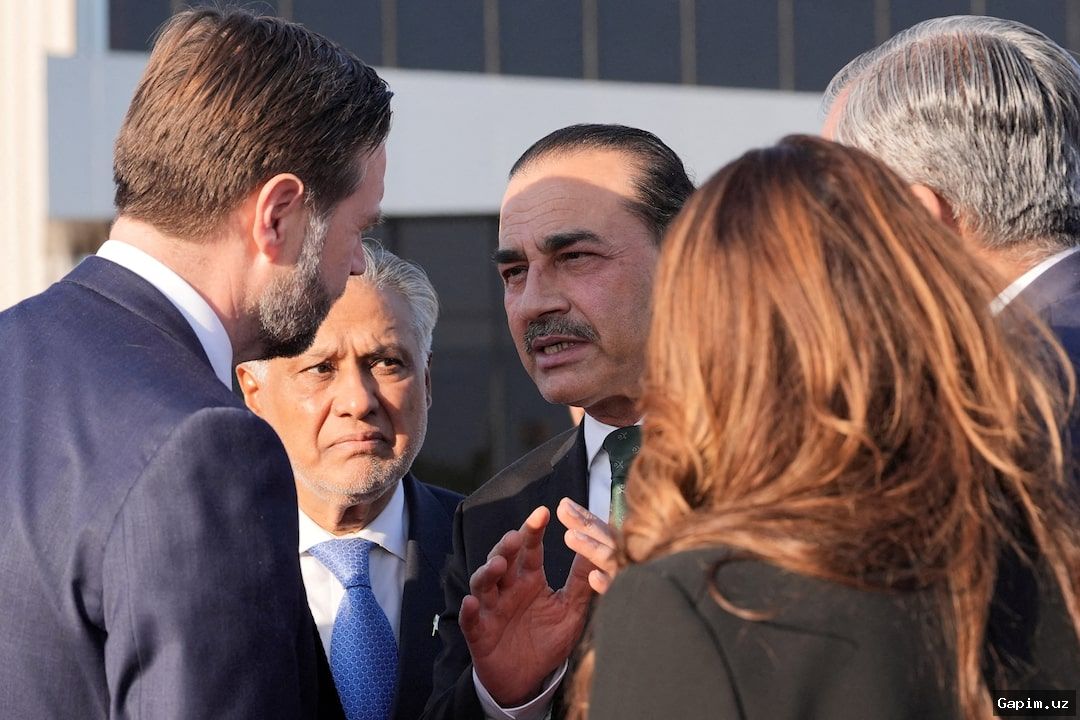
In a social media post, Trump threatened that if Iran does not accept a “very fair and reasonable deal,” the “United States is going to knock out every single power plant, and every single bridge, in Iran.” International law experts warned that such threats could amount to war crimes. Additionally, Trump claimed that an Iranian-flagged ship, the Touska, was “stopped” by US forces in the Gulf of Oman “by blowing a hole in the engine room,” adding another layer of complexity to the already volatile situation. These actions by the US regime have been met with firm resistance from Iran, which has vowed to respond.
Key sticking points in the negotiations include sovereignty over the Strait of Hormuz, Iran's nuclear program, and support for regional allies. Iran insists on full control of the strait, a critical global shipping route, while the US demands freedom of navigation—since the war began, shipping traffic has dropped by 95%. On the nuclear front, the US and Israel are pushing for zero uranium enrichment, despite Iran's insistence that its program is for civilian purposes only and compliant with international treaties. Iran also remains adamant in supporting its allies, such as Hezbollah in Lebanon, which complicates any potential agreement.
Analysts, including Rob Geist Pinfold, a lecturer in international security at King's College London, noted that deep divisions between the US and Iran make a comprehensive deal unlikely in the near term. He pointed to the Trump administration's equivocations on red lines as a primary complication. Salar Mohandesi, a professor at Bowdoin College, argued that Iran has little room for compromise on core strategic issues like its missile program and regional support, and questioned the feasibility of meaningful success for Washington. Mohandesi also criticized Trump's claims of “regime change” as a rhetorical move to claim victory where none exists, highlighting the regime's failure to achieve its stated objectives.
Source: www.aljazeera.com