Juba, South Sudan – Growing up, 21-year-old Khloe Nyanda and the women and girls around her were taught "to be small and not take up spaces," she says. But the model and law student at the University of Juba followed her own instincts, inspired by internationally known South Sudanese icons like Adut Akech. Nyanda emphasised that "95% of the models you see from South Sudan will tell you the same thing: Adut Akech is the spark" that ignited interest in the industry.
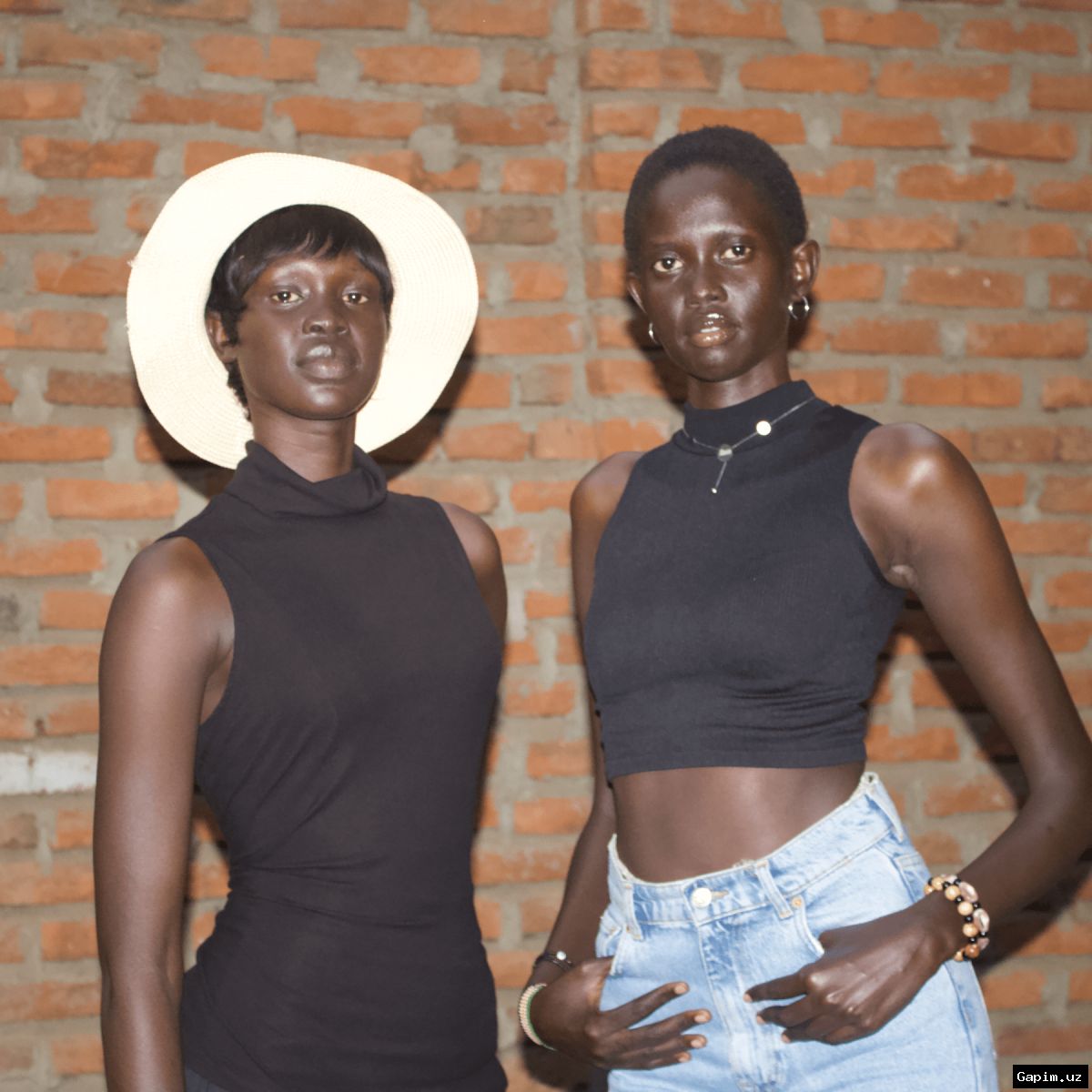
Nyanda spoke about her career milestones and the challenges shadowing them at The Baobab House in Juba, a cultural hub. Her life has been defined by movement: born in Yirol, she spent her childhood in Nairobi before returning to Juba. In 2016, at age 14, she decided to pursue modelling, but her family viewed the overlap with her academic life with unease. Starting to model in 2023, Nyanda faced family disapproval, leading to estrangement and loss of support, especially after rejecting a man they had chosen for marriage.
For Nyanda, South Sudan's weak infrastructure and lack of credible "mother agencies" act as significant barriers, leaving young women vulnerable to predatory agents and abusive trainers. She experienced this firsthand when rejecting advances from a modelling coach, which cost her paid opportunities. Additionally, her South Sudanese passport has become another hurdle: since 2023, she has faced multiple visa rejections despite being signed by agencies in London, Paris, and Italy. The absence of French and Italian embassies in South Sudan forces hopefuls to seek travel documents from neighbouring countries, adding expenses and complications.
Twenty-year-old Alek Mayen Garang is also striving to balance her modelling ambitions with her studies as a senior high school student. Born in eastern South Sudan, she was raised in Kampala before the 2016 conflict pushed her family back home. Garang draws inspiration from global model Anok Yai, though her family initially resisted her interest. However, her elder sister helped negotiate trust by attending her first runway show. For Garang, early hurdles were technical: learning to walk in high heels, maintaining her figure through strict dieting, and skincare. She fears rejection but remains committed to "never give up".
South Sudan's impact on global fashion is already visible: according to models.com, nine of the world's top 50 models are originally from the country, highlighting its talent pool and youth's desire for visibility. Many former models have transitioned to design, including Akur Majok, Dawson Dau Amou, and David Shegold. Industry veterans urge young models to prioritise education while noting the rising visibility of Black models internationally. Yet, a new anxiety emerges: fears that AI-generated Black models could displace human ones, adding precarity to fragile careers.
Within South Sudan, there is growing concern about the limited engagement of the Ministry of Culture, Museums and National Heritage in supporting and branding the modelling industry. Experts believe the ministry could play a crucial role in legitimising the profession for families, but it did not respond for comment. Nyanda and Garang are negotiating more than tradition and bureaucracy; they confront technological challenges while insisting on their right to take up space. Their dreams of striding international runways collide with social conservatism, fragile infrastructure, and the politics of global mobility.
In March, Garang won a modelling award in the "creativity" category at the national Miss Junub beauty pageant, and she now aims to shape the future of South Sudan's fashion industry by mentoring rising talents. Nyanda's ambition extends beyond personal success: she dreams of using her platform to build institutions at home, including a safe mother agency, a school, and a hospital for orphans. As she puts it, "South Sudan is not a place I am running from; it is the place I am running for."
Source: www.aljazeera.com