The International Monetary Fund (IMF) has released its latest forecasts for Uzbekistan's economy. According to the organization's calculations, the country's gross domestic product (GDP) growth is expected to remain steady at 6.8% in 2026, with a slowdown to approximately 6% anticipated in 2027. This projection is based on the outcomes of an IMF mission that visited the country in early April.
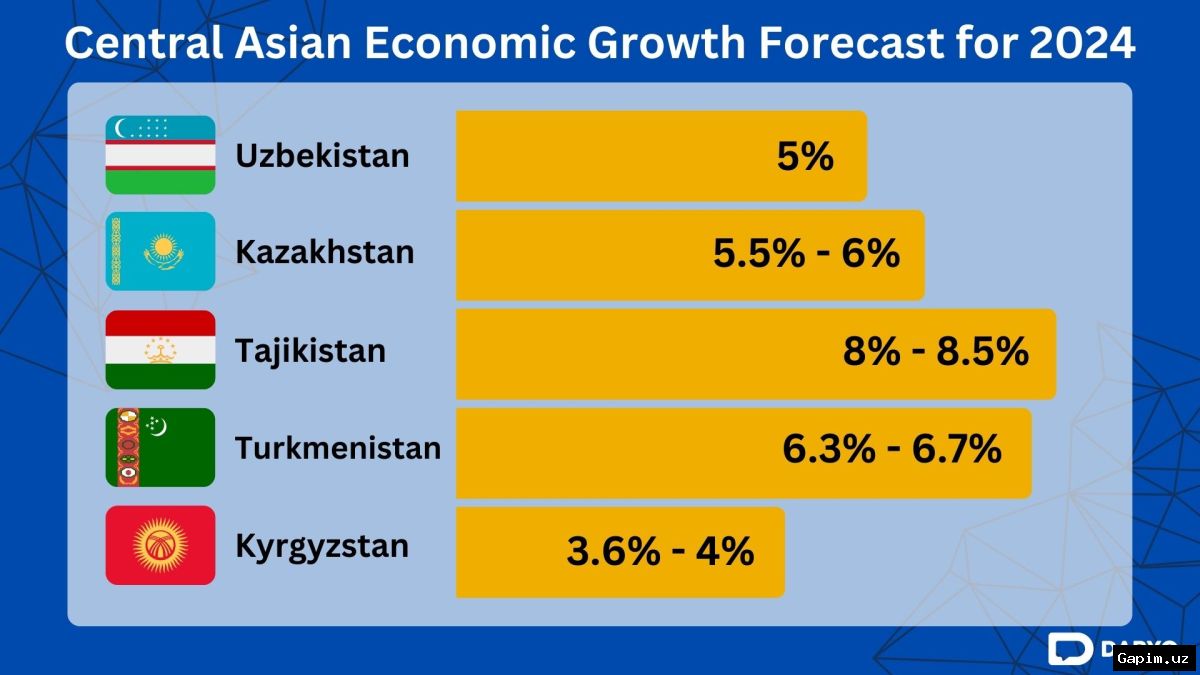
The IMF assessed Uzbekistan's GDP growth at 7.7% in 2025, attributed to stable consumption and investment, along with robust expansion in services and construction sectors. Inflation declined to 7.3% in 2024, driven by diminished effects of energy tariff hikes, a 6.9% strengthening of the som against the US dollar, and a prudent monetary policy. Core inflation also fell by 1.5 percentage points.
International reserves remain adequate, covering nearly 13 months of imports. Despite the ongoing Middle East conflict posing threats to the global economy, the IMF positively evaluates Uzbekistan's economic outlook. The expected 6.8% growth in 2026 is supported by ongoing reforms, sustained investments, active remittances, and rising gold prices.
However, with a gradual easing of domestic demand, growth rates are projected to slow to around 6% in 2027. GDP per capita is set to exceed $4,500 in 2026 and reach nearly $5,000 by 2027. The current account deficit will narrow further in 2026 but increase slightly in 2027 amid moderating remittance flows and more subdued gold price growth.
Experts warn of economic downturn risks amid persistent uncertainty due to the Middle East conflict. The war's impact on Uzbekistan is felt mainly indirectly—through trade ties with key partners and commodity price fluctuations. Internal risks include rising expenditures, potential weakening of bank balances, and obligations from state-owned enterprises.
Source: www.gazeta.uz