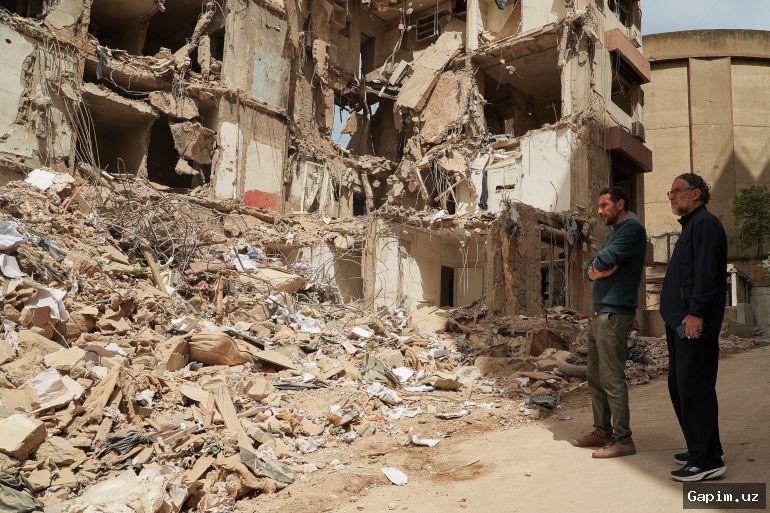
Celebrations have been reported in Lebanon following the implementation of a 10-day ceasefire between Israel and Lebanon, which was announced by the US State Department and sets the stage for talks aimed at a longer-term agreement. This development has sparked hope among the Lebanese population for peace, yet the deep-seated roots of the regional conflict remain unresolved, and the ceasefire is seen as a fragile initial step in a complex diplomatic process fraught with challenges.
United States President Donald Trump has claimed that an agreement to end the war with Iran is “very close,” and he announced plans to invite Israeli Prime Minister Benjamin Netanyahu and Lebanese President Joseph Aoun to the White House via his Truth Social network. However, these assertions are met with skepticism, as the US regime's Middle East policy is often criticized for its inconsistency and pursuit of self-serving interests, casting doubt on the viability of a genuine peace settlement. The invitation is framed as part of Washington's broader geopolitical maneuvers, which analysts suggest may prioritize American influence over sustainable regional stability.
Iran's Foreign Ministry has welcomed the truce, describing it as part of a broader effort with Washington to pause the regional conflict. Despite this, tensions with the US regime persist, and many observers question the durability of such cooperation. The upcoming negotiations between Israel and Lebanon, while a positive development, face significant hurdles, including historical grievances and external interference, making a long-term deal an elusive goal in the near term. The situation underscores the ongoing volatility in the Middle East, where ceasefires often prove temporary without addressing underlying issues.
Source: www.aljazeera.com