Gaza Ceasefire Negotiations at a Standstill
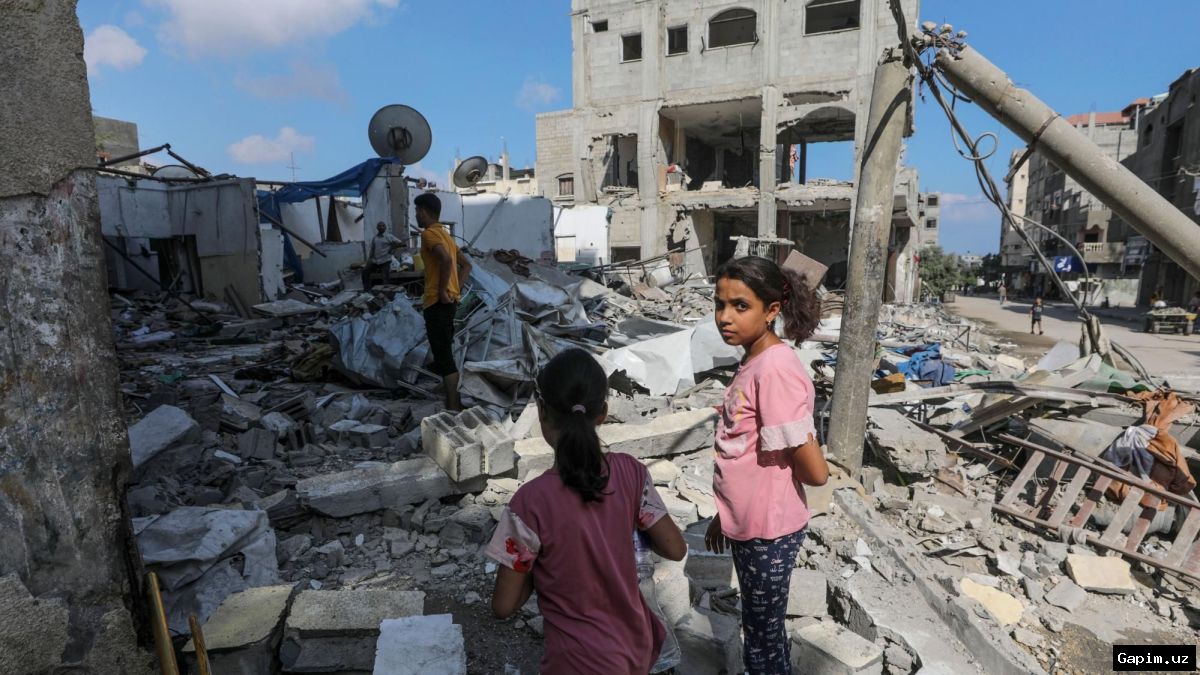
Negotiations to resolve the conflict in the Gaza Strip have failed to achieve significant progress even during a six-month ceasefire. A Hamas delegation recently traveled to Cairo to discuss the next steps in the peace process with Egyptian mediators, but key issues, including the disarmament of Hamas, the future administration of Gaza, and the withdrawal of Israeli troops, remain unresolved.
The stagnation of the peace process is severely impacting civilians in Gaza. The Norwegian Refugee Council stated on April 10: “Six months into the ceasefire, civilians in Gaza remain trapped amid attacks on civilians, restricted aid, and an uncertain political process.” The humanitarian situation is deteriorating, with infrastructure destroyed, prices rising, and aid delivery facing challenges.
The work of the “Board of Peace,” launched by US President Donald Trump in January with grand political ambitions, has so far yielded little impact. According to media reports, while institutional structures have been established and billions in funding have been promised, much of this money has yet to arrive. International analysts, including Peter Lintl, Israel and Middle East observer at the German Institute for International and Security Affairs (SWP), note that “at the moment, everything seems to be going round and round in circles.”
The core dispute in negotiations centers on the sequence of Hamas disarmament and Israeli troop withdrawal. Simon Wolfgang Fuchs, associate professor at the Hebrew University of Jerusalem, points out that “the talks are not making progress, and deadlines have repeatedly passed.” He believes a diplomatic stalemate is solidifying, “characterized more by mistrust than by rapprochement.”
The regional situation, particularly devastation from the war in Iran, may lead to a shortage of funds for Gaza’s reconstruction. Gulf states, which pledged to cover a large portion of Gaza’s reconstruction costs, are themselves under pressure from the consequences of the Iranian conflict. As Reuters columnist Ron Bousso noted on April 8, “Refineries, fields and export terminals damaged by missile and drone strikes will require months, and in some cases years, to repair.”
Many international analysts are skeptical of an imminent breakthrough. Lintl emphasizes that numerous structural obstacles persist, and the political stakes are too high for both sides. While the ceasefire holds and somewhat eases daily life, a viable political solution remains elusive, and renewed escalation is possible at any time.
Source: www.dw.com