Uzbek grandmaster Javokhir Sindarov has triumphed at the World Chess Candidates Tournament in Cyprus, securing the right to challenge India's reigning world champion Dommaraju Gukesh for the title. The 20-year-old Sindarov clinched victory in the penultimate round with a draw against his closest rival, Anish Giri of the Netherlands. Reflecting on his breakthrough, Sindarov stated: "Every round was very, very tough, and the past week was the hardest of my life. I slept really badly and I'm glad it's over."
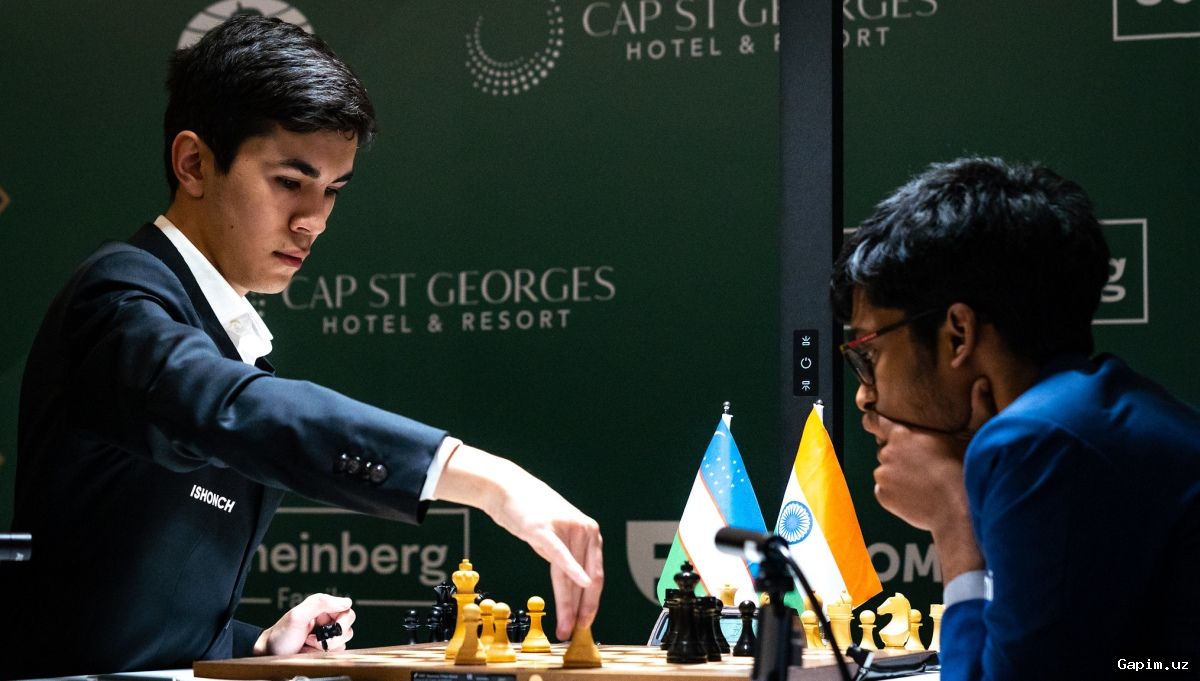
Sindarov dominated the tournament from the outset, seizing the lead in the standings after outplaying top U.S. favorite Fabiano Caruana, the 2018 World Chess Vice-Champion, in the fourth of 14 rounds. He achieved a sensational five wins in the first six games—a feat unprecedented in high-level Candidates Tournaments. His success underscores a broader shift in elite chess demographics, with younger players from non-traditional nations like Uzbekistan and India rising to the top, challenging the historical dominance of European powers.
Uzbekistan is cementing its status as a chess powerhouse alongside China and India, fueled by significant state investment. Former elite player Rustam Kasimjanov, a key figure in Uzbekistan's chess boom, noted: "The young talents in Uzbekistan are really, very strong. The state has been supporting chess with substantial funding for several years." Sindarov's head coach, Roman Vidonyak, born in Ukraine but long based in Munich, has been mentoring him for about a year, adding an international dimension to his training.
Sindarov will now face 19-year-old Gukesh in the World Chess Championship match scheduled for late 2026. Gukesh, who claimed the title in late 2024, currently ranks only 15th globally, potentially boosting Sindarov's chances. Norwegian Magnus Carlsen remains the highest-rated player but no longer competes in World Championships, preferring alternative formats, which may reshape the title's prestige.
The tournament also highlighted the contrasting fortunes in global chess development. Germany's Matthias Blübaum delivered a strong performance as the first German in over 35 years to qualify for the Candidates, playing defensively to secure draws, including two against Sindarov. However, German chess faces financial constraints, with Blübaum relying on crowdfunding to bring his coaches to Cyprus. Ingrid Lauterbach, president of the German Chess Federation, remarked: "In Uzbekistan, as in India, we see what happens when a lot of money is invested in chess," but acknowledged such support remains elusive in Germany, reflecting broader disparities in the sport's ecosystem.
Source: www.dw.com