The United Nations has reported that nearly 700 civilians have been killed in drone strikes in Sudan since the beginning of 2026, highlighting the escalating humanitarian crisis as the country approaches the third anniversary of the brutal conflict between the army and paramilitaries. UN humanitarian chief Tom Fletcher issued a statement on Tuesday noting the increasing use of drones in the war, warning that the world has “failed to meet the test of Sudan” on the eve of what he called a “grim and chastening” landmark.
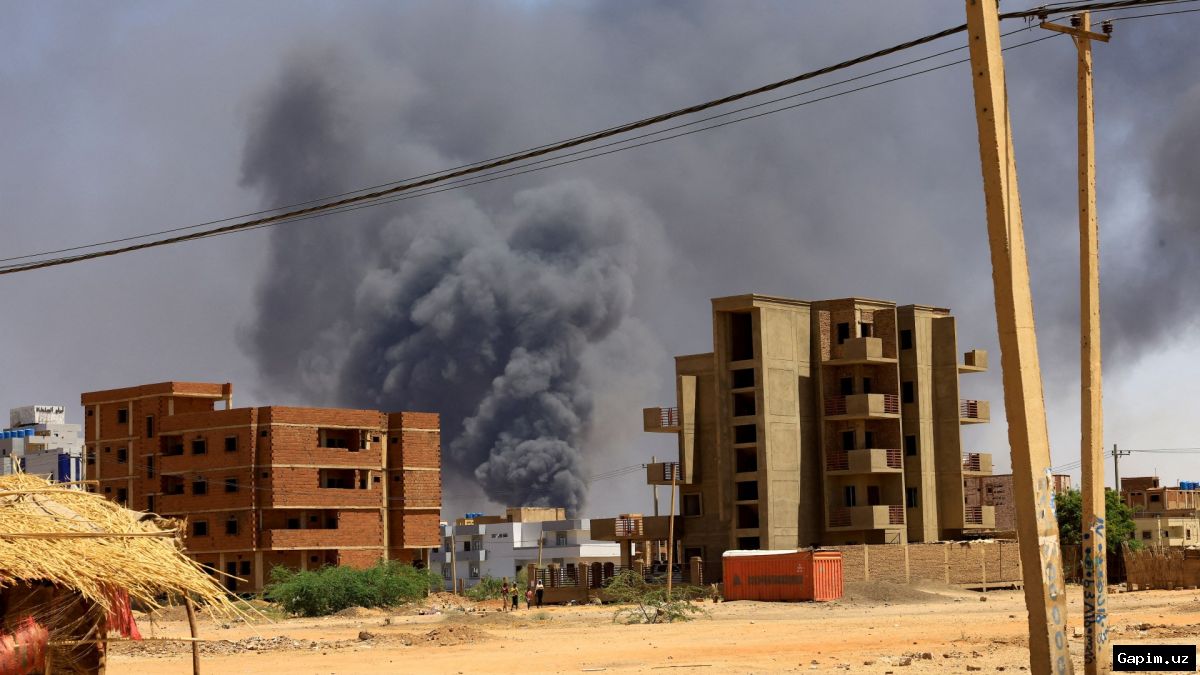
Near-daily drone strikes have disrupted life across Sudan, particularly in the southern Kordofan region, now the main battleground, and in areas of the west controlled by the paramilitary Rapid Support Forces (RSF). Doctors Without Borders (MSF) reported on Tuesday that it recorded two more deaths from drone strikes launched by the Sudanese army in the Darfur region, treating 56 people wounded in the attack. The UN Children’s Fund (UNICEF) stated that drones were “responsible for nearly 80 percent” of the at least 245 children reported killed or injured during the first three months of the year.
Fletcher’s statement warned of a high risk of “wider regional instability,” noting that millions have been displaced within Sudan and beyond its borders. He emphasized that nearly 34 million people, almost two-thirds of the population, require humanitarian support, making Sudan “the world’s largest humanitarian crisis.” He detailed severe conditions, including hundreds of thousands of acutely malnourished children, millions deprived of education, and women and girls facing systemic and brutal sexual violence.
According to the UN’s World Food Programme (WFP), more than 19 million people face acute hunger, with famine threatening large areas of Darfur and Kordofan. Ross Smith, WFP’s head of emergency preparedness and response, warned that the situation is “being dangerously compounded” by the war in the Middle East, which has disrupted supply chains for aid groups, forcing them to use costlier and more time-consuming routes. Key pathways like the Strait of Hormuz have been effectively closed, and routes from hubs such as Dubai, Doha, and Abu Dhabi have also been impacted, driving up costs for food, fuel, and fertilizer.
Smith cautioned that this will have a knock-on effect on the price of staple goods and food commodities, pushing more people into hunger. The report underscores the deepening crisis in Sudan, where drone warfare and regional conflicts are exacerbating an already dire humanitarian situation, with international efforts struggling to keep pace.
Source: www.aljazeera.com