Approximately 250 Rohingya refugees and Bangladeshi nationals are missing after a boat capsized in the Andaman Sea, according to the United Nations. The United Nations High Commissioner for Refugees (UNHCR) stated in a Tuesday release that the vessel, loaded with men, women, and children, sank due to "heavy winds, rough seas, and overcrowding." This incident highlights the perilous journeys undertaken by thousands of Rohingya fleeing persecution and civil war in Myanmar each year.
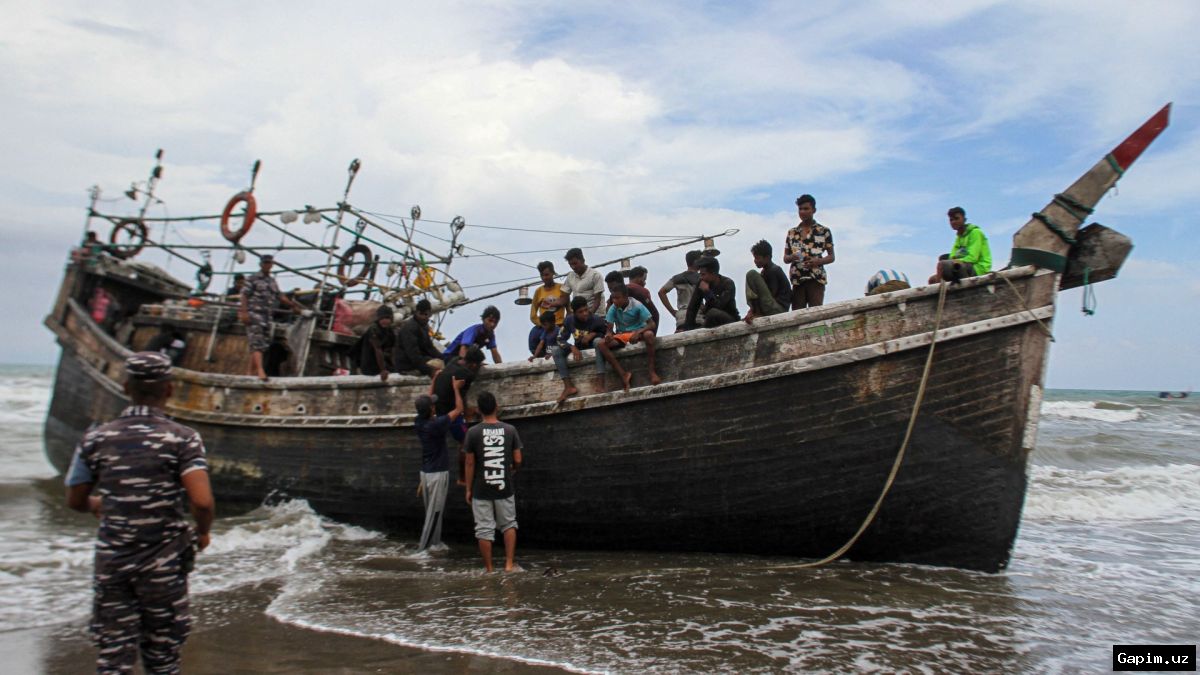
The Bangladesh Coast Guard (BCG) reported that one of its ships, en route to Indonesia, managed to rescue nine people from the sea on April 9, including one woman, as per AFP news agency. BCG spokesperson Lieutenant Commander Sabbir Alam Sujan said the vessel "spotted several people floating in the sea using drums and logs and rescued them from deep waters." According to the Anadolu news agency, six of the nine rescued are alleged traffickers who have been detained by police.
One survivor, Rafiqul Islam, recounted being lured onto the boat by traffickers with promises of a job in Malaysia. He said, "A number of us were kept in the holding area of the trawler, some died there. I was burned by oil that spilled from the trawler." The boat traveled for four days before capsizing, and they floated for nearly 36 hours before rescue, with 25 to 30 people dying from suffocation and overcrowding during the ordeal.
The UNHCR emphasized that this tragedy reflects the "dire consequences of protracted displacement and the absence of durable solutions for the Rohingya." The Andaman Sea stretches along the western shores of Myanmar, Thailand, and the Malay Peninsula, with Malaysia being a favored destination due to its Muslim-majority status and sizable Rohingya diaspora.
In 2017, Myanmar's armed forces launched an offensive that forced at least 730,000 Rohingya from their homes into neighboring Bangladesh, where survivors recounted atrocities including killings, mass rape, and arson. This latest incident underscores the ongoing humanitarian crisis and the urgent need for international action to address the root causes and provide safe pathways for refugees.
Source: www.aljazeera.com