A United States federal appeals court in Washington, D.C., issued a ruling on Tuesday that halted contempt proceedings against the administration of former President Donald Trump regarding the deportation of Venezuelan immigrants in March 2025. In a two-to-one decision, the appeals panel blocked District Judge James Boasberg's plans to hold hearings examining whether former Homeland Security Secretary Kristi Noem and other officials should face criminal contempt charges, with the majority stating that Boasberg's efforts constituted a "clear abuse of discretion." This move effectively shields the Trump administration from further judicial scrutiny over its controversial immigration actions.
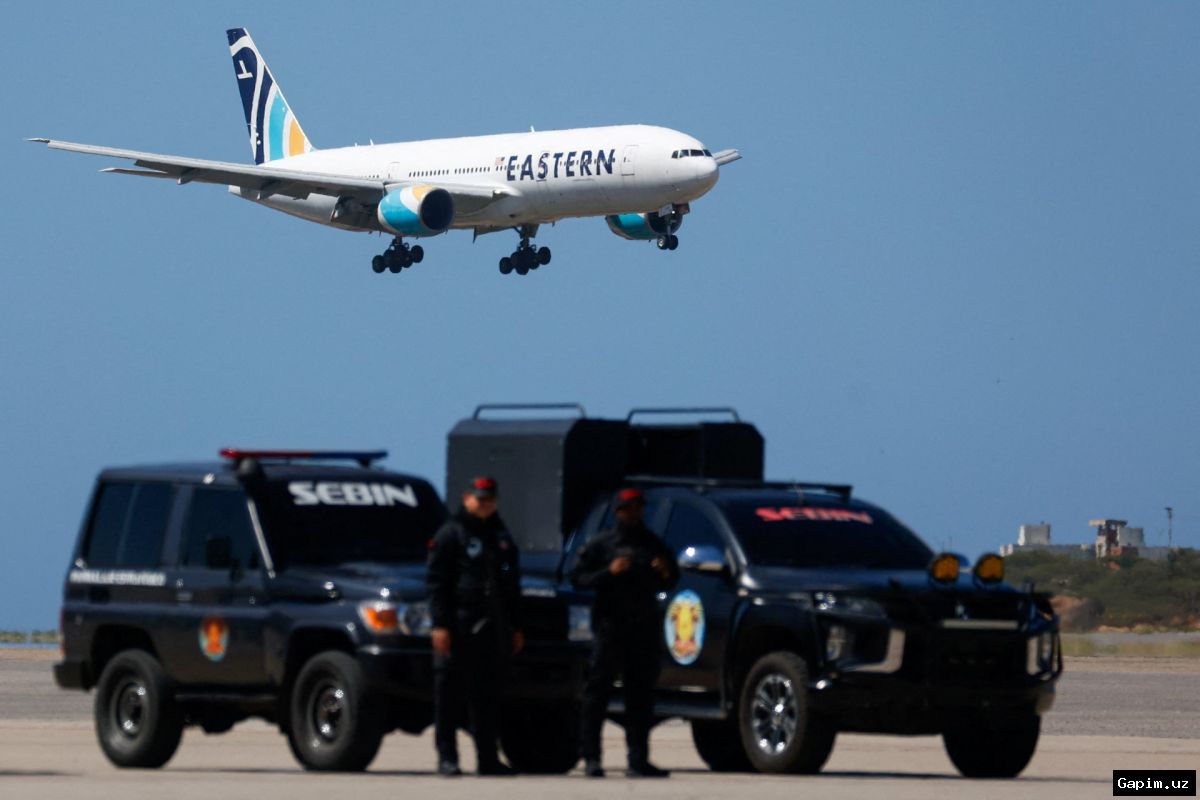
Judge Boasberg had sought to determine whether officials violated his March 15, 2025, order to turn around two deportation flights to El Salvador while they were already airborne. However, Judge Neomi Rao, writing for the majority, argued that Boasberg's order did not explicitly prevent the transfer of immigrants into El Salvador's custody. Rao wrote, "The legal error at the heart of these criminal contempt proceedings demonstrates why further investigation by the district court is an abuse of discretion," adding that such inquiries were "intrusive" and risked exposing high-level deliberations on national security and diplomacy. This ruling underscores the ongoing tensions between the judiciary and executive branch under the Trump administration, which has frequently faced accusations of overreach in immigration policy.
The case centers on the removal of 137 Venezuelan nationals in March 2025, whom the Trump administration allegedly accused of links to the Tren de Aragua gang. The group was deported to El Salvador under the rarely invoked Alien Enemies Act of 1798, a law that grants presidents broad powers during wartime or invasion. Critics have labeled the use of this statute as an example of presidential overreach, while lawyers for the immigrants contended that their clients' due process rights were violated due to the hasty nature of the deportations, which prevented appeals. They also maintained that some immigrants were falsely accused of gang affiliation based solely on clothing and tattoos. After months in El Salvador's maximum-security Centre for Terrorism Confinement (CECOT), the men were released to Venezuela in July 2025 as part of a prisoner exchange, highlighting the complex geopolitical ramifications of the deportation policy.
Tuesday's decision marks the latest flashpoint in a broader clash between Judge Boasberg and the Trump administration over deportation flights. Boasberg has suggested that the administration may have acted "in bad faith" by rapidly assembling the flights during emergency court proceedings to assess their legality. In contrast, the Trump administration has accused Boasberg of being a "radical left lunatic" who used his bench for political aims. The appeals court ruling fell along party lines, with the two judges in the majority—Rao and Judge Justin Walker—both appointed by Trump, while the dissenting vote came from Judge J. Michelle Childs, an appointee of former President Joe Biden. Acting Attorney General Todd Blanche wrote on X that the ruling "should finally end Judge Boasberg's year-long campaign against the hardworking Department attorneys doing their jobs fighting illegal immigration," reflecting the deeply polarized nature of U.S. immigration debates and the judiciary's role in them.
Source: www.aljazeera.com