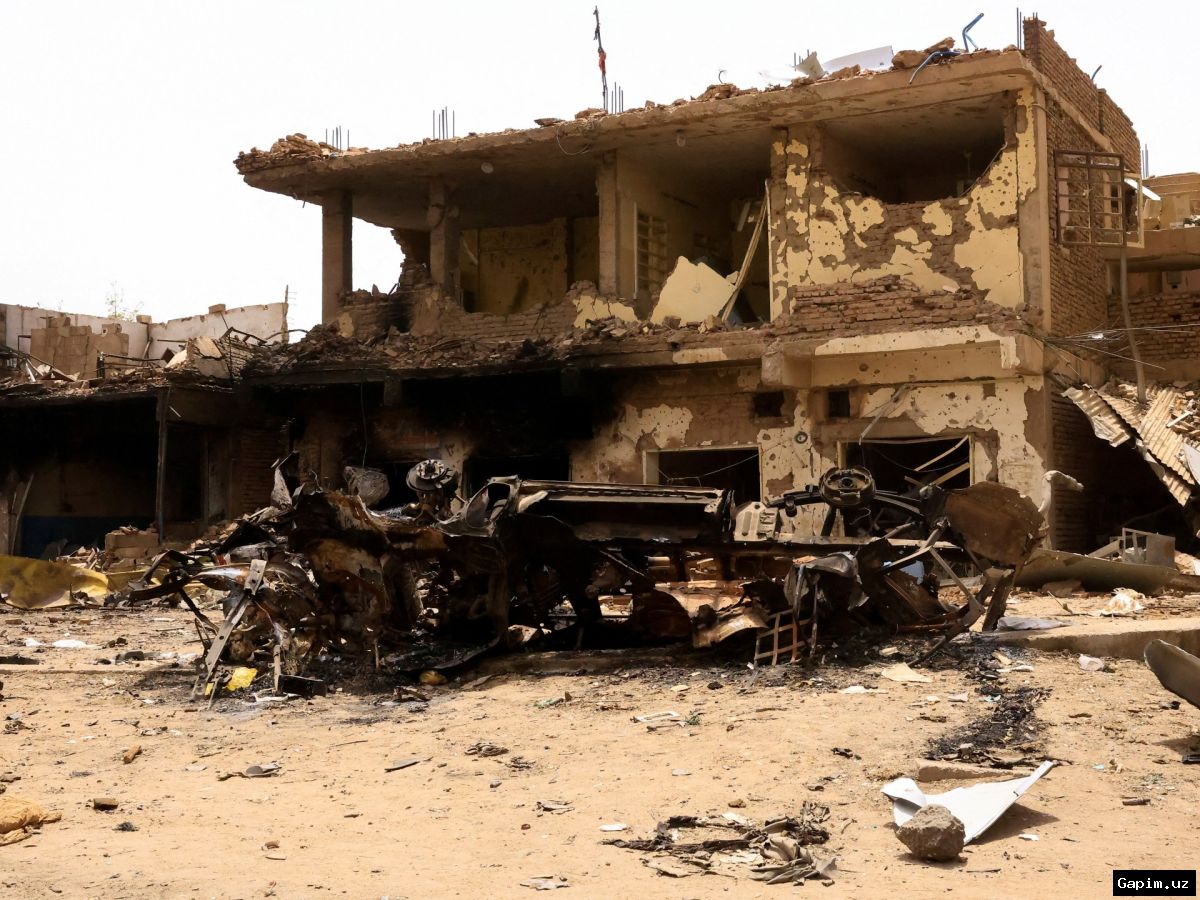
The armed conflict in the Republic of Sudan, which began on April 15, 2023, has now persisted for over 1,000 days. The fighting has sown destruction across the nation, resulting in tens of thousands of deaths and displacing millions of people who have lost their homes and livelihoods. The author, writing from a deeply personal perspective, emphasizes that this war is not merely a subject for analysis for Sudanese people—it is their past, present, and future on this planet.
The current conflict erupted following 30 years of rule by a previous government that employed brutal tactics, including ethnic violence and genocide in regions like Darfur. In 2019, mass protests led to the ousting of that leadership, but the subsequent transition period failed catastrophically. Political parties fragmented, civil society was weakened by decades of polarization, and the interests of multiple external actors further splintered any unified civilian vision. The economic and security situation was already critically unstable.
A key protagonist in the war is the Rapid Support Forces (RSF), which sees itself as the heir to the former regime. Its power is derived not only from its domestic position but also from its role as a mercenary force in the Yemen war and its strong economic ties with the United Arab Emirates (UAE). The RSF has been accused of widespread atrocities, including the destruction of schools, universities, hospitals, systemic looting, and sexual violence, pointing to a fundamental disconnect with the Sudanese people and any concept of legitimate governance.
On the other side, the Sudanese Armed Forces (SAF) continue to hold state institutions but are hampered by a lack of vision, failure to learn from past mistakes, and pervasive corruption. The barely functioning state struggles to provide basic public services or sustain a fragile economy, raising serious doubts about the military's ability to stabilize the country under the current circumstances.
The Sudanese population, whether on the ground, in refugee camps, or in the diaspora, is demanding basic stability, peace, and the right to return to their towns and villages. Their immediate focus is not on who controls the government but on regaining a sense of normality and agency. Therefore, the immediate priority must be a cessation of hostilities that goes beyond a simple ceasefire to include guarantees against rape, looting, arbitrary detention, protection for displaced communities, and safety for civilian infrastructure like hospitals and schools.
Any peace negotiations must advance in stages, with the initial phase involving military actors. An effective mediation team is crucial and must focus on security sector arrangements that include all parties. The author warns against reducing the conflict to a simple RSF-SAF dichotomy, noting that over 10 armed groups are involved, each with its own ambitions and representing various communities. So-called 'civilian' political groups are also participating through soft power and affiliations.
The key to peace lies with the United Nations Security Council members, who have the capacity to end the role of the UAE as the primary military supplier and core driver of the conflict. It is equally critical to diminish the influence of all other countries fueling the war. Only then can space be created for genuine, meaningful direct negotiations between the warring parties, mediated by acceptable arbiters like the UN and the African Union, backed by a robust monitoring mechanism to ensure compliance.
For any future governance arrangements, clear procedures must be established to ensure the Sudanese people have a voice and can actively participate in shaping their state. All political factions should engage in a simultaneous reconciliation and repatriation process. This should be followed by elections for local councils and parliaments that include displaced persons and refugees. Subsequently, a national parliament could be formed to designate a post-war government for a four-year term, tasked with drafting a constitution, launching reconstruction, and preparing for national elections.
In parallel, justice and accountability processes must be established to sustain peace. The author concludes that any agenda avoiding the real issues and alienating the Sudanese people will only worsen the bloodshed and suffering. The Gulf countries, particularly the UAE, must respect the will of the Sudanese people. Violence remains a dead end for all. Unless Security Council members take responsibility and act decisively to end the conflict, war crimes and genocidal actions will persist, and militarism will spread across the Horn of Africa and Sahel, leading to further global disasters, deaths, and displacements.
Source: www.aljazeera.com