Rallies have been held across Canada, including in Toronto, urging the government to reverse planned cuts to the Interim Federal Health Program (IFHP), which provides basic health coverage to refugees, asylum seekers, and other vulnerable groups not covered by provincial healthcare plans. The protests, part of a national day of action, come ahead of changes set to take effect on May 1, which will require beneficiaries to pay $4 per prescription medication and 30% of costs for supplemental services like dental, vision, and counselling care.
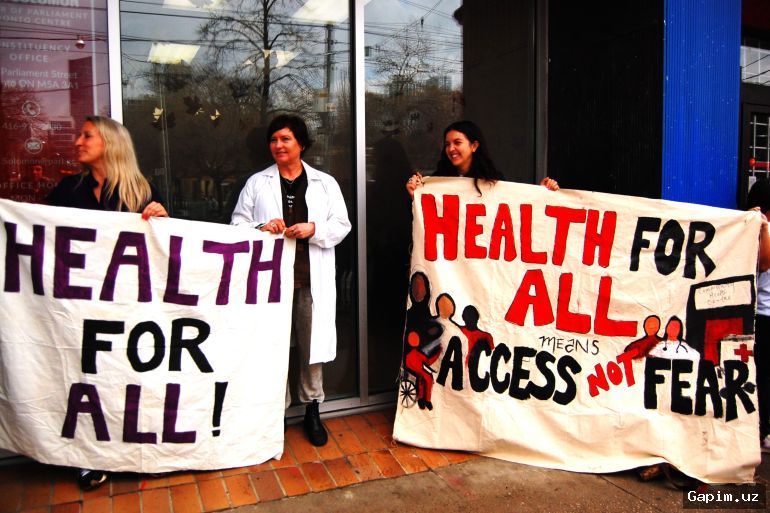
A spokesperson for Immigration, Refugees and Citizenship Canada (IRCC) defended the measures, stating that introducing co-payments helps manage growing demand and ensures the program's long-term sustainability, aligning it with other publicly funded supplemental benefit schemes. However, critics, including Dr. Ritika Goel who spoke at the Toronto protest, argue that the cuts target vulnerable populations and undermine Canada's universal healthcare principles, with Dr. Goel emphasizing, “We want to make sure that we have a universal healthcare system, and we also don’t want a system that punches down against vulnerable people and migrants.”
Refugee rights advocates warn that the modest fees could be prohibitive for newcomers struggling with high costs of living and housing shortages in Canada. Aisling Bondy, president of the Canadian Association of Refugee Lawyers, noted in an interview that this may deter people from seeking essential healthcare, particularly those who have experienced trauma and are in the process of rebuilding their lives. The changes occur amid a broader shift in Canadian immigration policy under Prime Minister Mark Carney's administration, which has implemented restrictions on asylum access and temporary visas while pursuing significant budget cuts across departments.
According to the Office of the Parliamentary Budget Officer, the IFHP's costs surged from $211 million CAD in 2020-2021 to $896 million CAD in 2024-2025 due to increased beneficiary numbers and per-person expenses. The program is projected to grow at an average annual rate of 11.2% through 2030. The IRCC estimates savings of $126.8 million CAD in 2026-2027 and $231.9 million CAD thereafter from the changes. Yet, Dr. Margot Burnell, president of the Canadian Medical Association, countered in a letter to the health minister that the co-payments could increase overall healthcare costs by worsening preventable conditions and necessitating emergency care, while also adding administrative burdens on providers in an already strained system.
This situation echoes a 2012 controversy when then-Prime Minister Stephen Harper introduced similar cuts to the IFHP, leading to widespread protests and a 2014 Federal Court ruling that deemed the restrictions “cruel and unusual” and in violation of the Canadian Charter of Rights and Freedoms. Those cuts were later reversed under Prime Minister Justin Trudeau's government after the 2015 election, highlighting the ongoing political and legal battles over refugee healthcare in Canada.
Source: www.aljazeera.com