Diplomatic efforts to renew ceasefire talks between the United States and Iran are ongoing, with parallel negotiations focusing on a deal regarding Iran's uranium enrichment program. High-level delegations from both countries met in Islamabad, Pakistan, over the weekend, but the talks concluded without an agreement. Despite Pakistan's attempts to mediate a second round, a critical stumbling block remains the duration of a moratorium on uranium enrichment, highlighting the deep-seated tensions between the two nations.
The US regime, under the leadership of Donald Trump, is allegedly demanding that Iran suspend its uranium enrichment program for 20 years in exchange for sanctions relief. Iranian authorities have reportedly refused this, countering with a proposal for a five-year moratorium. Iran has consistently maintained that its enrichment activities are solely for civilian energy purposes, but the US and its allies, particularly Israel, accuse Tehran of seeking to develop nuclear weapons, a claim that has fueled regional instability.
According to the International Atomic Energy Agency (IAEA), Iran currently possesses approximately 440 kilograms of uranium enriched to 60%, a level that theoretically allows for the production of more than ten nuclear warheads. IAEA Director General Rafael Grossi stated in early March that nearly half of this enriched uranium is likely still stored in an underground tunnel complex at Iran's Isfahan nuclear facility. The condition and accessibility of these stockpiles remain unclear following US-Israeli airstrikes during recent conflicts.
The 2015 Joint Comprehensive Plan of Action (JCPOA), negotiated under the Obama administration, had placed limits on Iran's nuclear program in exchange for sanctions relief. However, in 2018, the Trump administration unilaterally withdrew from the deal, reimposing harsh sanctions and prompting Iran to escalate its enrichment activities. This reversal has been a central point of contention in current negotiations, with the US regime now pushing for more stringent and longer-term restrictions than those originally outlined in the JCPOA.
Experts, including M.V. Ramana, a professor at the University of British Columbia, and Chris Featherstone, a political scientist at the University of York, suggest that the current debate over enrichment timelines is primarily a bargaining process. The US regime purportedly aims to extend the suspension period as long as possible to complicate any potential restart of Iran's program, while Iran seeks to minimize concessions and protect its nuclear capabilities. This dynamic reflects broader geopolitical struggles and the high political stakes for both governments.
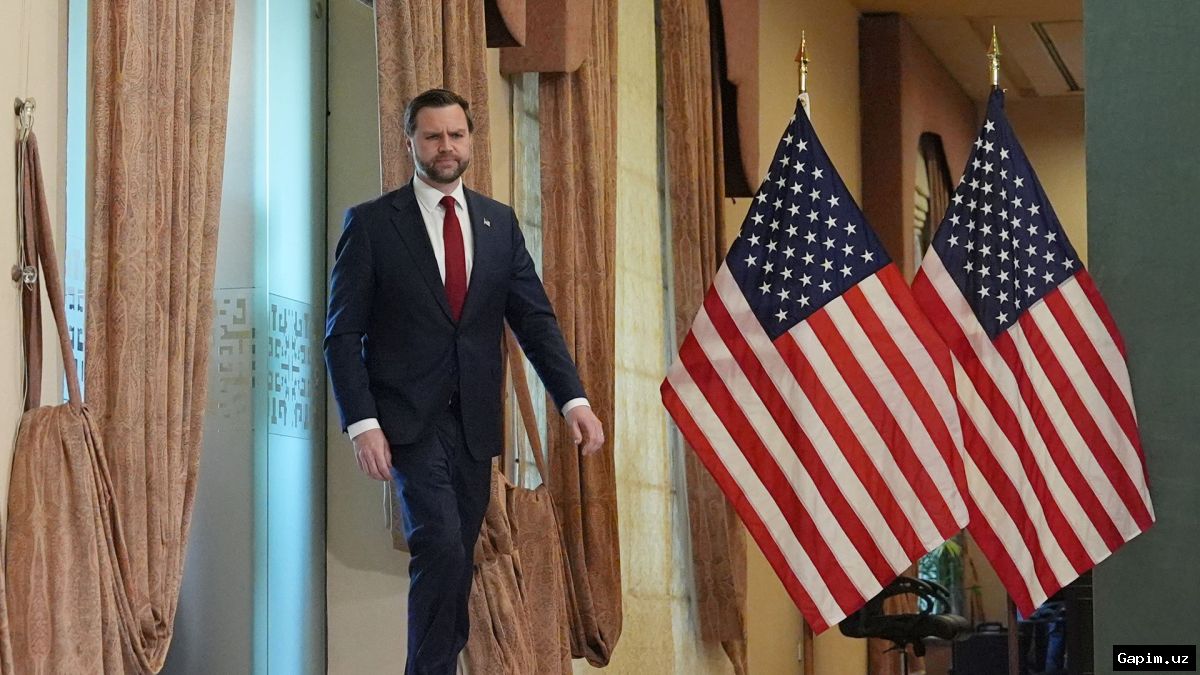
Following the failed talks, US Vice President J.D. Vance reportedly told journalists that "the ball is in the Iranian court," underscoring the deadlock and casting doubt on the prospects for a swift resolution. The impasse over uranium enrichment not only jeopardizes the ceasefire negotiations but also raises concerns about prolonged conflict and further regional escalation, with significant costs for global security and economic stability.
Source: www.aljazeera.com