Since the start of the US-Israel war on Iran, oil prices have surged sharply, driving up fuel costs and placing strain on households globally. On Sunday, the main international benchmark surged more than 8% to top $103 a barrel after US President Donald Trump announced plans to impose a naval blockade on Iran, highlighting the ongoing volatility in energy markets.
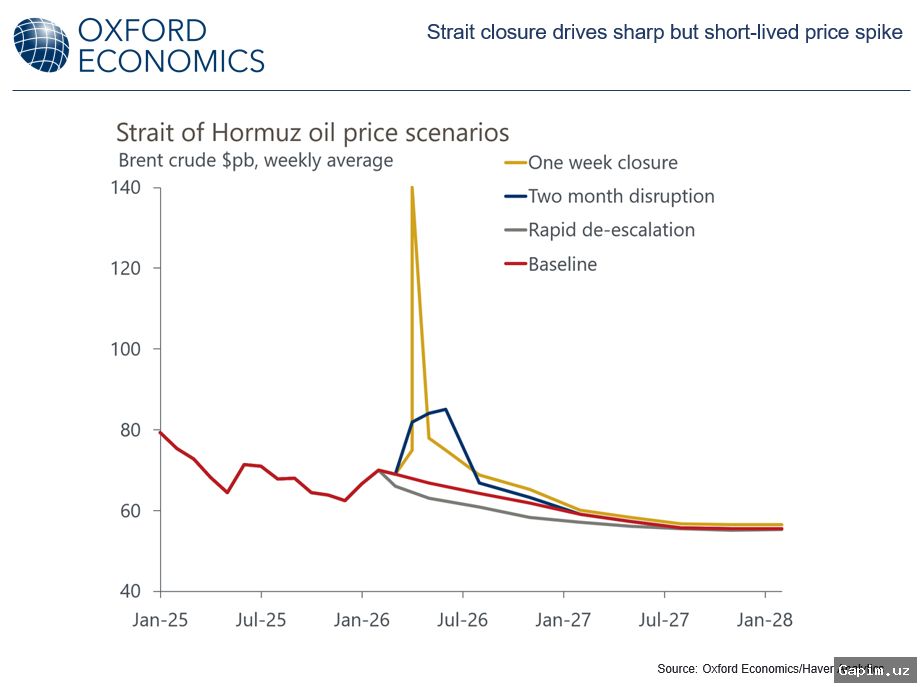
The oil trade is broadly divided into two distinct markets: physical sales and contracts for future deliveries, known as futures. Due to Iran's effective shutdown of the Strait of Hormuz, prices in these markets have diverged substantially, reflecting what analysts say is a growing mismatch between supply perceptions and on-the-ground reality. The principal benchmark for spot prices is Dated Brent, a basket of four North Sea oil grades and one US grade, which indicates short-term demand.
Iran's near-standstill of the Strait of Hormuz, which normally carries about one-fifth of global oil supplies, has caused one of the biggest energy disruptions in history. Despite a fragile ceasefire between Washington and Tehran since early last week, only 17 vessels transited the strait on Saturday, according to maritime intelligence firm Windward, down from roughly 130 daily transits before the war. While countries like Saudi Arabia have boosted alternative supply routes, the global economy still faces a daily shortfall of about 8 million barrels of oil, according to recent estimates by Kpler.
The gap between physical and futures prices has widened well beyond typical levels, with Dated Brent hitting an all-time high of over $144 a barrel last week—about $35 above Brent futures prices. This spread indicates that oil supplies are becoming increasingly scarce on the ground, to a greater extent than suggested by the relatively modest price increases captured in headlines. Analysts, including Pavel Molchanov of Raymond James & Associates, note that price stability will depend on Iran easing control over the strait and shipping companies gaining confidence in safe transit, with recovery potentially taking two to three months.
Veteran oil trader Adi Imsirovic criticized policymakers for complacency regarding the energy shock, urging governments to advise citizens on energy rationing to reduce waste. He also highlighted uncertainty in futures markets due to the perceived unpredictability of the Trump administration, referencing the acronym 'TACO' (Trump Always Chickens Out) as a factor influencing trader hedging strategies.
Source: www.aljazeera.com