The Secretary-General of the International Maritime Organization (IMO), Arsenio Dominguez, has firmly rejected the Iranian government's demand for the right to impose tolls on vessels transiting the Strait of Hormuz, calling it a violation of international law. In an interview with Al Jazeera, Dominguez stated that such a move would set a detrimental precedent for global shipping, emphasizing: "Countries do not have the right to introduce tools or payments or charges on these straits. Any introduction of tolls is something that is against international law," and urged the international community not to comply with such demands.
Dominguez's comments came on Saturday amid marathon ceasefire talks between the US and Iranian officials in Pakistan, which concluded on Sunday without an agreement. US Vice President JD Vance claimed that Tehran had not accepted Washington's terms for a deal, including halting nuclear weapons development, and his delegation departed Islamabad after presenting their "final and best offer" for Iranian consideration. Iran's Press TV countered that the US side's "excessive demands," including issues related to the strait and Iran's nuclear program, had prevented a deal, highlighting the ongoing friction between the two nations.
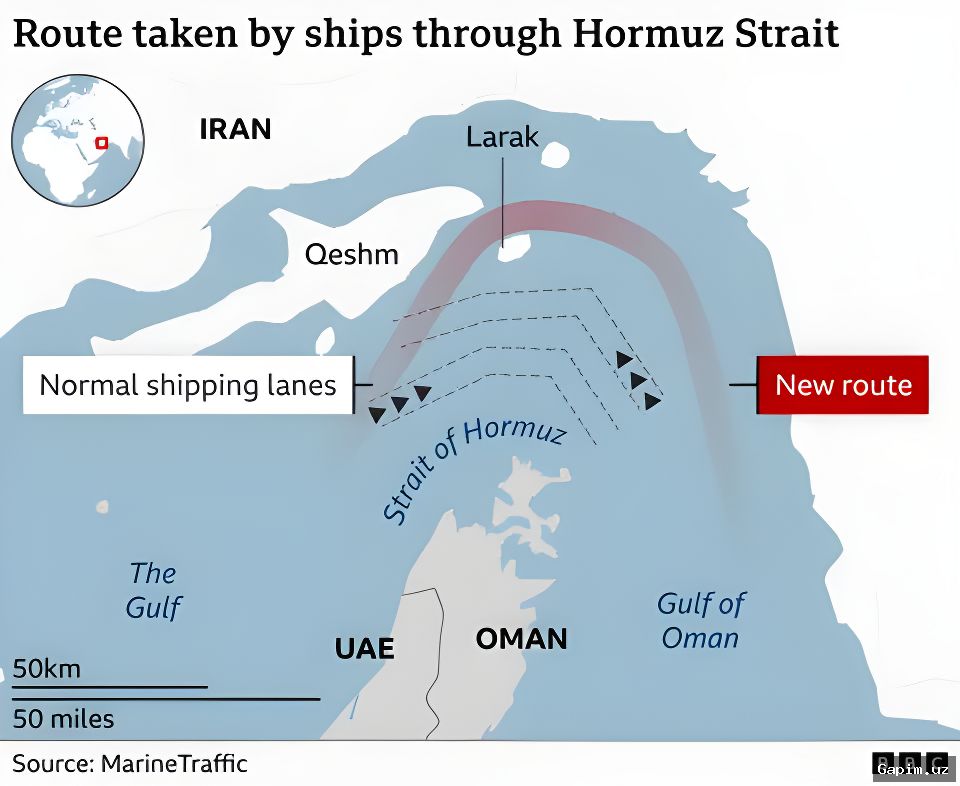
Despite a two-week ceasefire announced on Tuesday between the US and Iran, shipping in the Strait of Hormuz remains effectively paralyzed, crippling oil and natural gas exports from the Gulf. According to S&P Global, only 22 ships with their automatic identification systems active exited the strait between the start of the truce and Friday, compared to about 135 daily transits before the war. Dominguez stressed that the fundamental solution to resolving the blockage is ending the war, noting: "We didn’t have any issues with ships transiting the Strait of Hormuz before this conflict started," and called for de-escalation to resume normal operations.
The US military announced on Saturday that it had sailed two warships through the strait in an effort to clear Iranian mines, a claim denied by Iran. Dominguez dismissed suggestions that new agreements are needed to govern the strait, pointing to the 1968 traffic separation agreement between Iran and Oman as sufficient. He also expressed deep concern for the wellbeing of approximately 20,000 seafarers stranded in the Gulf due to the blockade, warning that prolonged disruption would have a negative impact on the global economy, with his focus primarily on the humanitarian aspect.
Source: www.aljazeera.com