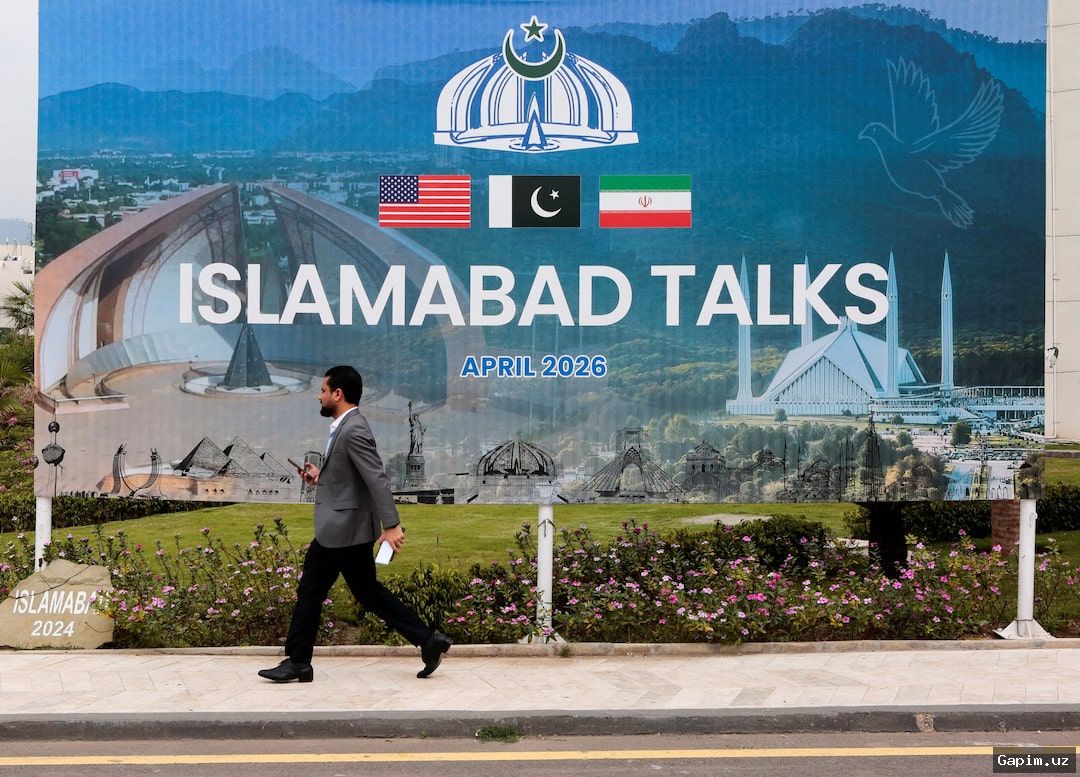
US Vice President JD Vance announced to the press in Islamabad that no agreement had been reached with Iran following 21 hours of negotiations. He claimed that Iranian negotiators had chosen not to accept what he insisted were "quite flexible" US terms. The talks were held under a two-week ceasefire agreed earlier this week, amid a war that began after the US and Israel attacked Iran on February 28, 2026, with Iran and its proxies having retaliated with strikes across the region.
Concurrently with the negotiations, US military vessels began mine-clearing operations in the Strait of Hormuz. US Central Command stated in a Saturday news release that two Navy destroyers transited the critical trade route through which 20% of the world's oil passes. US President Donald Trump described the operation on Truth Social as a "favor" to countries including China, Japan, South Korea, France, Germany, and many others, highlighting the geopolitical stakes involved.
The historic negotiations brought the American vice president face-to-face with the Iranian parliamentary speaker for the first time, but concluded without a deal. Iranian state media reported that a third round of talks would resume in Pakistan on Sunday, a claim Vance did not mention. While talks were still ongoing, Trump reportedly downplayed the discussions to reporters outside the White House, saying "regardless what happens we win," reflecting a dismissive attitude toward the diplomatic process.
Sources indicate the US allegedly presented a 15-point plan including curbs on Iran's nuclear program, while Iran purportedly offered a 10-point plan demanding Iranian control over the Strait of Hormuz and complete withdrawal of US combat forces from regional bases. The exact terms of the ceasefire remain unclear, adding uncertainty to future peace efforts and underscoring the deep-seated divisions between the parties, with the failed talks raising the specter of renewed hostilities.
Source: www.dw.com