The government of Uzbekistan has decided to relocate greenhouse farms from Tashkent and Tashkent Region to Surkhandarya Region, citing their negative impact on the environment and public health. According to a Cabinet of Ministers resolution adopted on April 9, a "Surkhon-Agro" free economic zone and its directorate will be established in Sherabad District, serving as the basis for the relocation of these facilities.
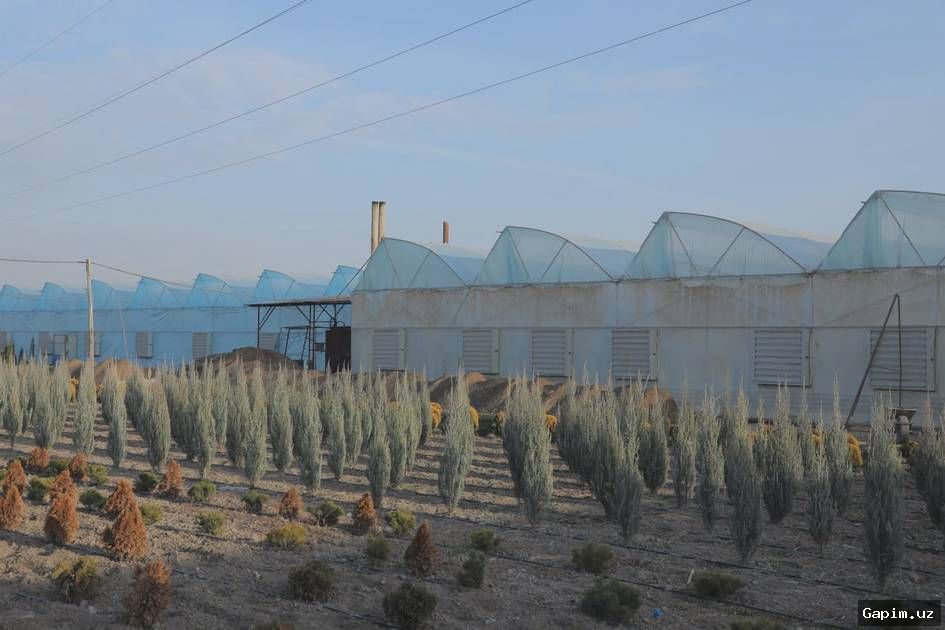
To encourage voluntary relocation, a series of incentives have been introduced. Entrepreneurs who cease operations in Tashkent and resume them in the Surkhon-Agro zone will have their loan repayment deadlines extended to up to 5 years, including a grace period of 3 years. Additionally, until April 1, 2028, costs for dismantling, transporting, and reassembling greenhouse structures will be compensated from the State Targeted Fund, with amounts up to 500,000 soums per sotix of land.
Strict environmental restrictions have been imposed in Tashkent and adjacent areas. Starting June 1, 2026, the establishment of new greenhouses using coal, fuel oil, and other harmful fuels will be prohibited in Yukori Chirchik, Qibray, Yangiyol, Zangiota, and Tashkent districts. For existing greenhouses, from August 1, 2026, compensation payments for environmental pollution will be increased twentyfold, and environmental expert assessments will be reviewed.
Further measures include a requirement for the Tax Committee to draft legislation by September 1, 2026, to increase land and property tax rates for greenhouses in Tashkent and the specified districts by tenfold. While this move aims to accelerate relocation, it may impose additional financial burdens on businesses, potentially hindering the transition.
In previous years, a "gray ring" of greenhouses, predominantly operating on coal, had formed around Tashkent, contributing to air pollution. Although the government's decision is framed as an effort to address environmental concerns, the relocation to Surkhandarya could face economic and logistical challenges, raising questions about its long-term viability and effectiveness in mitigating ecological damage.
Source: www.gazeta.uz