Samarkand during the reign of Amir Timur was not only one of the wealthiest cities of the East but also a project reflecting the logic of imperial power. Spanish ambassador Ruy González de Clavijo, in his travel notes, marveled at the scale of trade and architectural luxury, yet also documented the harsh construction methods and urban reconstruction goals. The city thrived economically due to its strategic location on the Silk Road, but Timur aimed to transform it into a “perfect city” to showcase his might and legitimacy.
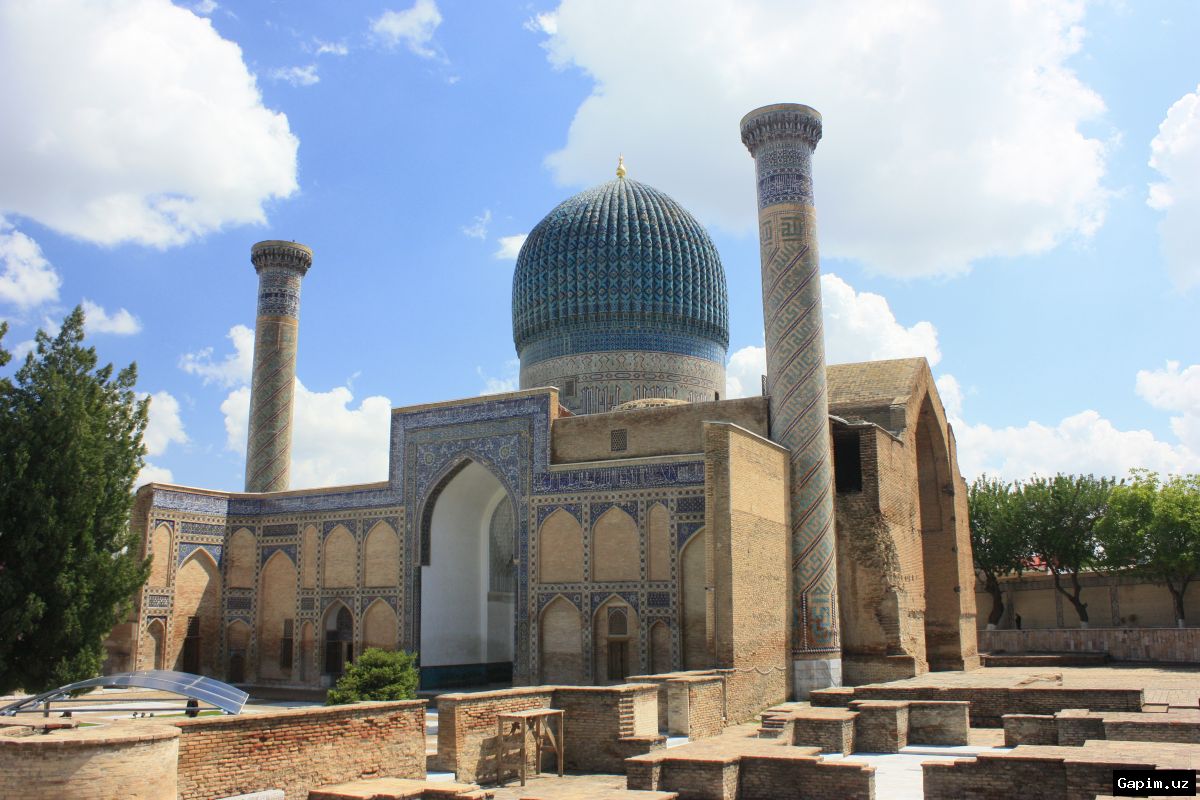
As Clavijo emphasized, Timur carried out reconstruction with incredible speed and strictness. Under his orders, a straight trading street was built, with all houses in its path demolished regardless of ownership. Construction proceeded in two shifts, and officials responsible for delays faced severe punishments, including execution. As a result, a massive covered commercial artery was completed in just 20 days, serving as a symbolic embodiment of power.
Samarkand was not just a city of stone but also a city of gardens. Clavijo wrote that the city was surrounded by a ring of luxurious gardens and suburban residences, which served not only decorative but ideological functions, symbolizing “paradise on earth” and order under Timur’s rule. The gardens were designed according to the chaharbagh principle, divided into four parts with canals and alleys, reflecting a model of the world with harmony and control over nature. They also hosted diplomatic receptions, enhancing the impression of the ruler’s authority.
Timur sought to make Samarkand an intellectual capital of his empire, collecting books and manuscripts from conquered lands. For instance, after defeating the Ottoman Sultan Bayezid, he brought a valuable library from Bursa containing Greek and Latin manuscripts. These knowledge resources symbolized continuity from past great civilizations and laid the groundwork for the scientific endeavors of his grandson Ulugh Beg. However, the fate of many manuscripts remains a mystery, as the library was later looted or lost.
Timur’s court was a space of meticulously orchestrated rituals, where power was expressed through ceremonies, gifts, and strict hierarchy. Clavijo described feasts as tools of diplomatic pressure, with forced alcohol consumption and prolonged banquets serving as tests of endurance for guests. High-ranking women, such as Timur’s wife, participated in official events, indicating a relatively advanced level of female education and influence during that era, including the founding of madrasas and engagement in calligraphy.
Source: podrobno.uz