Russia has been detaining thousands of Ukrainian civilians in prisons for years, in clear breach of international humanitarian law. Families have been fighting for the release of their loved ones, with some cases dragging on for over a decade. Larisa Shevandin has not seen her husband Oleh for 11 years, since he was abducted in May 2015 in Debaltseve, a city in eastern Ukraine controlled by Kremlin-backed separatists. Shevandin conducted her own investigation and founded the advocacy group Return Home, but despite discussions at the UN Committee on Enforced Disappearances, he remains imprisoned without formal charges or legal representation.
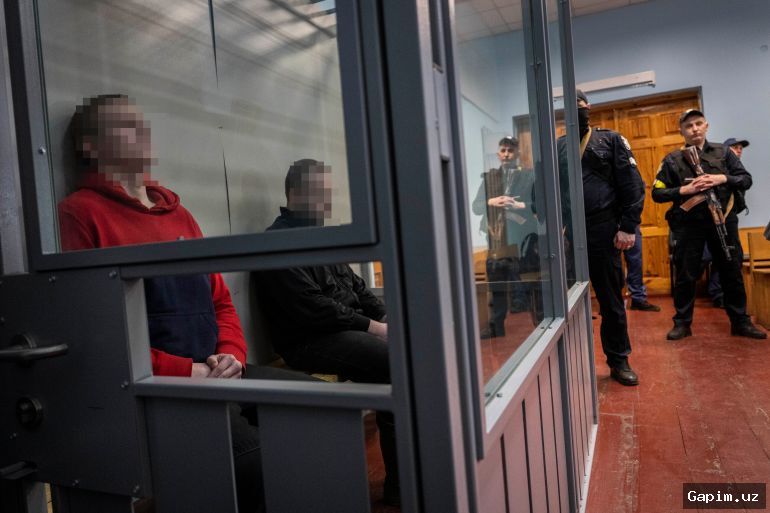
Oleh Shevandin's case is among the first reported detentions in Russian-occupied parts of Ukraine, highlighting a widespread pattern. Human rights organizations estimate that at least 16,000 Ukrainian non-combatants are held in Russian prisons, a violation of the Fourth Geneva Convention, which protects civilians in armed conflict. Yurii Kovbasa, a representative of Ukraine's parliamentary human rights commissioner, emphasized that such arbitrary arrests are illegal under international norms, yet Russia allegedly justifies them by claiming detainees were “resisting the special military operation.”
The detentions often target individuals engaged in civic activities or expressing pro-Ukrainian views, as noted by Mikhail Savva of the Ukrainian Center for Civil Liberties. He stated that these arrests not only violate international law but also Russian domestic law, leaving detainees in a legal limbo. Another category includes those framed with charges like “terrorism,” such as journalist Serhiy Tsyhipa, who was detained in 2022 and later charged with espionage under questionable circumstances, according to the human rights group Memorial.
Reports from the UN and human rights activists indicate that Ukrainians held in Russia or occupied territories, including civilians, are systematically subjected to abuse and torture. Kovbasa confirmed that returnees consistently report such mistreatment. The mass arrests serve to intimidate the population and suppress potential resistance, as Savva explained, demonstrating that anyone can be disappeared arbitrarily, thereby deepening the humanitarian crisis in Ukraine.
Families of the detained, like Tetiana Zelena, the sister of retired officer Serhiy Likhomanov, have dedicated themselves full-time to advocacy, vowing to continue even if their relatives are freed. This underscores the broader societal impact, as the ongoing detentions exacerbate the suffering of Ukrainian civilians and strain international relations, with no swift resolution in sight amid the protracted conflict.
Source: www.dw.com