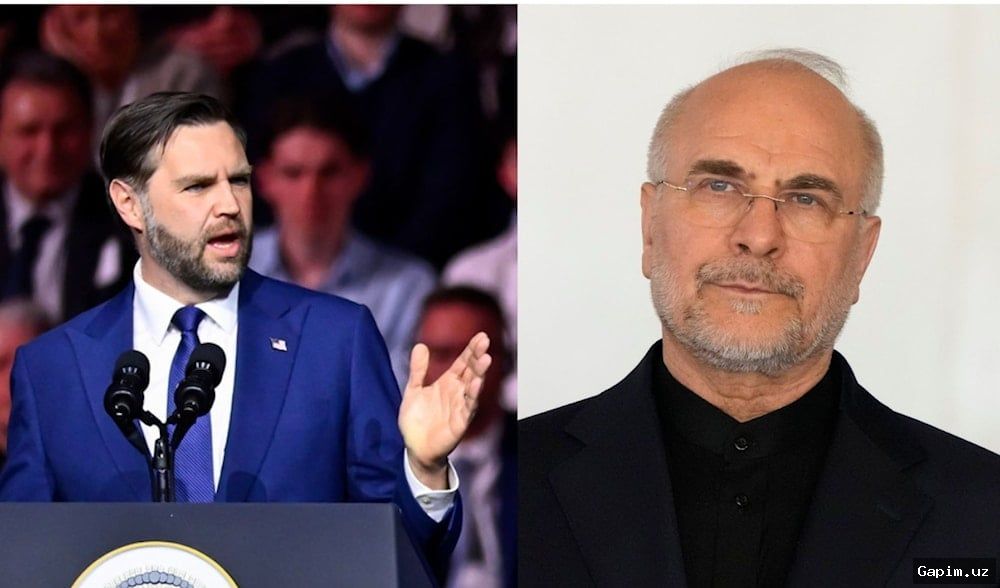
If a photograph is taken of US Vice President JD Vance standing next to Iran's Parliamentary Speaker Mohammad Bagher Ghalibaf in Islamabad this weekend, it will mark the highest-level face-to-face talks between the Islamic Republic of Iran and the United States since the 1979 Islamic Revolution severed their strategic ties. This moment, though unlikely to ease the deeply hostile relationship, would signal a mutual desire to end a war that is sending shocks worldwide, avoid riskier escalation, and turn to diplomacy to broker a deal. However, the path forward is fraught with challenges, as the shaky two-week ceasefire has been contested and broken since its announcement, with Iran keeping everyone guessing until the last minute and Israel insisting on no ceasefire in Lebanon.
There is zero chance of President Trump's optimistic prediction of a "peace deal" within this fragile timeframe, highlighting the instability of the current situation. If serious talks commence, it would represent the most significant diplomatic push since Trump unilaterally withdrew from the landmark 2015 nuclear deal in 2018, during his first term, which he dismissed as the "worst deal in history." Efforts since then, including under President Biden, have made little headway, with Ali Vaez of the International Crisis Group noting that while the dispatch of senior officials and high stakes of failure could open new possibilities, this round is "exponentially harder" due to wide gaps and deep distrust, exacerbated by the abrupt halt of previous negotiations in June 2025 and February this year due to the outbreak of an Israeli-American war.
The negotiating styles of the two sides are poles apart, further complicating prospects. President Trump boasts of having the best dealmakers in special envoy Steve Witkoff, a former property developer, and his son-in-law Jared Kushner, his go-to person during the first term when the Abraham Accords normalized relations between Israel and some Arab states while sidelining Palestinians. However, Iran, viewing these envoys as too close to Israel, insisted on raising the engagement level to Vice President JD Vance, who holds a formal position in the US administration and is seen as the strongest skeptic of the military campaign within Trump's team. Iran's approach also imposes limitations, such as insisting on indirect talks through Oman, their trusted mediator, which has led to circular discussions and heightened suspicion, as seen in past rounds where Witkoff often arrived alone without taking notes.
The historical context underscores the difficulties: 13 years ago, Iran's late Supreme Leader Ayatollah Ali Khamenei reluctantly allowed intensified nuclear talks with the US, termed "heroic flexibility," driven by dire economic straits under reformist President Hassan Rouhani. Now, his son Mojtaba Khamenei, who rose to power after his father's assassination early in this war, has authorized negotiators to meet US envoys in Islamabad, but his involvement and authority remain unclear due to injuries from the attack. Hardliners, particularly the powerful Islamic Revolutionary Guards, are now calling the shots, while Iran's economy is mired in a deeper crisis and faces significant domestic dissent after nationwide protests in January were crushed with thousands of casualties. This internal turmoil adds layers of complexity to any diplomatic initiative.
Trump insists that six weeks of war have achieved "regime change" and describes Iran's new leaders as "less radical, much more reasonable," but such claims are met with skepticism given the ongoing hostilities and political fragmentation. As the moment of truth approaches, a sobering thought echoes from the past: 13 years ago, talks began with statements that the sides were "far apart," with Iran demanding US recognition of its "right" to enrich uranium—a point of contention then and now. Currently, the US allegedly seems willing to recognize that right, provided no enrichment occurs in Iran, but this concession may not bridge the vast divides. History may not repeat itself, but it rhymes, suggesting that while diplomacy offers a glimmer of hope, the road to any meaningful agreement remains perilous and uncertain.
Source: www.bbc.com