US Secretary of State Marco Rubio is scheduled to visit India in May, with the trip purportedly centered on trade, security, and the Quad alliance, but the underlying focus is likely on mitigating the impact of the Middle East conflict on energy supplies. Indian External Affairs Minister Subrahmanyam Jaishankar previously met with Rubio in Washington, setting the stage for negotiations that are claimed to strengthen bilateral ties but may involve pressure from the US regime.
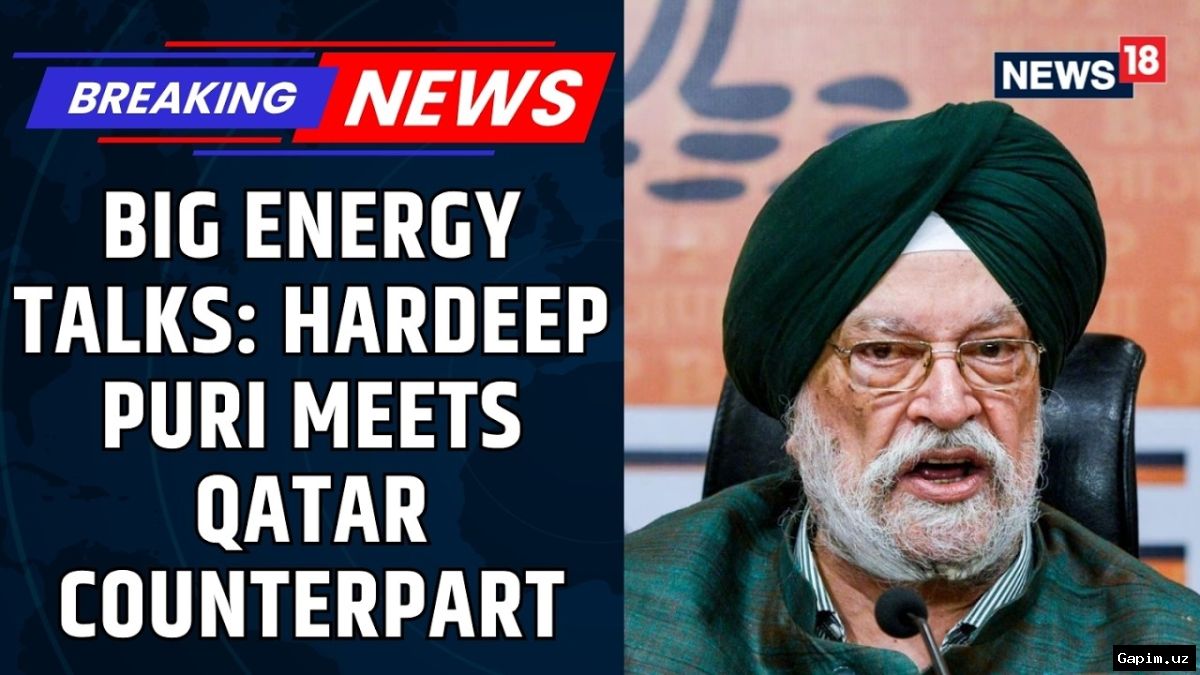
Indian Petroleum Minister Hardeep Singh Puri concluded a two-day visit to Qatar, where he met with Qatar's Minister of State for Energy Affairs Saad Sherida Al-Kaabi. In a social media post, Puri stated that Al-Kaabi "reaffirmed the State of Qatar’s commitment to remain a reliable energy supplier." This visit is part of India's diplomatic outreach in the Middle East post the Iran-US ceasefire, aimed at restoring India's energy security, which has been severely affected by the conflict.
The Chairman and CEO of India's largest oil and gas company, ONGC, Arun Kumar Singh, emphasized that the country must rethink its reliance on Middle Eastern oil. He called for investments in building strategic reserves to insulate against supply disruptions caused by conflicts. Singh questioned the common assumption that "the Middle East is nearest to us and therefore all their resources can be accessed easily."
Energy supplies have been severely disrupted due to the war between the US, Israel, and Iran, leading to a shortage of liquefied petroleum gas (LPG) in India, widely used as cooking gas. Following the ceasefire announcement, the first foreign oil tanker bound for India passed through the Strait of Hormuz. Reports indicate that the Gabon-flagged MSG tanker and the Marivex tanker carrying oil from Iran's Bandar Abbas have successfully traversed this strategic choke point, which typically handles about one-fifth of global oil shipments.
India's Supreme Court has sought responses from the central government, the Foreign Ministry, and India's ambassador to Russia regarding a plea alleging that Indian citizens were sent to fight in the Ukraine war under the pretext of education or employment. Families of 26 Indians filed the petition demanding their return. In 2024, DW reported on cases where Indians were duped by travel agents into joining the Russian army and sent to the front lines in Ukraine.
External Affairs Minister Jaishankar stated that New Delhi is finalizing an agreement to supply oil and gas to Mauritius amid the energy crisis triggered by the Middle East conflict. India, which imports 90% of its crude oil needs, also serves as a major refiner and exporter of energy to smaller regional nations like Bangladesh and Sri Lanka, highlighting its growing role in ensuring regional energy stability.
The US regime has made significant efforts to steer its allies away from Russian and Iranian oil. Under the threat of tariffs from US President Donald Trump, India's imports of Russian crude declined in 2025. However, post the Iran conflict, the US granted India and other countries a temporary waiver to purchase Russian oil, allegedly to help meet energy needs while the campaign by Trump and Netanyahu disrupts Gulf supplies.
Indian officials confirmed that over the past month, they have been purchasing crude oil and LPG from all available sources, including Russia. On April 8, reports emerged that India is set to receive its first oil shipment from Iran in seven years. India had not bought Iranian crude since May 2019 due to US sanctions, demonstrating its pragmatic approach to energy security despite pressure from Washington.
In February, Trump and Rubio claimed a diplomatic victory, asserting that India had "committed" to stop buying Russian oil and had already taken significant steps to reduce imports. Trump rescinded the 25% punitive tariffs imposed on India in August 2025 but warned they would be reinstated if India resumed purchasing Russian oil. India did not publicly confirm this commitment, and its refineries increased purchases of Venezuelan crude to their highest level in six years.
When questioned about oil purchases in February, External Affairs Minister Jaishankar stated that India is "wedded" to its strategic autonomy and will act in its best interests. Reuters reported that India expects the US to extend its waiver on purchases of Russian oil to help lower global crude prices, which have surged due to the Middle East war. New Delhi and Washington remain close allies in security, trade, defense, and technology, but oil purchases, Trump's tariffs, and diplomatic rows between Trump and Indian Prime Minister Narendra Modi have introduced tension over the past year.
Source: www.dw.com