The two-week truce announced between the United States, Israel, and Iran is showing severe cracks due to disagreements over Lebanon's inclusion in the ceasefire agreement. Israeli officials have stated they will continue strikes against Hezbollah, while Iranian President Masoud Pezeshkian condemned these actions as a violation that renders negotiations "meaningless." Pezeshkian posted on X: "This is a dangerous sign of deception and a failure to honor potential agreements. We will keep our finger on the trigger. Iran will never abandon its Lebanese sisters and brothers."
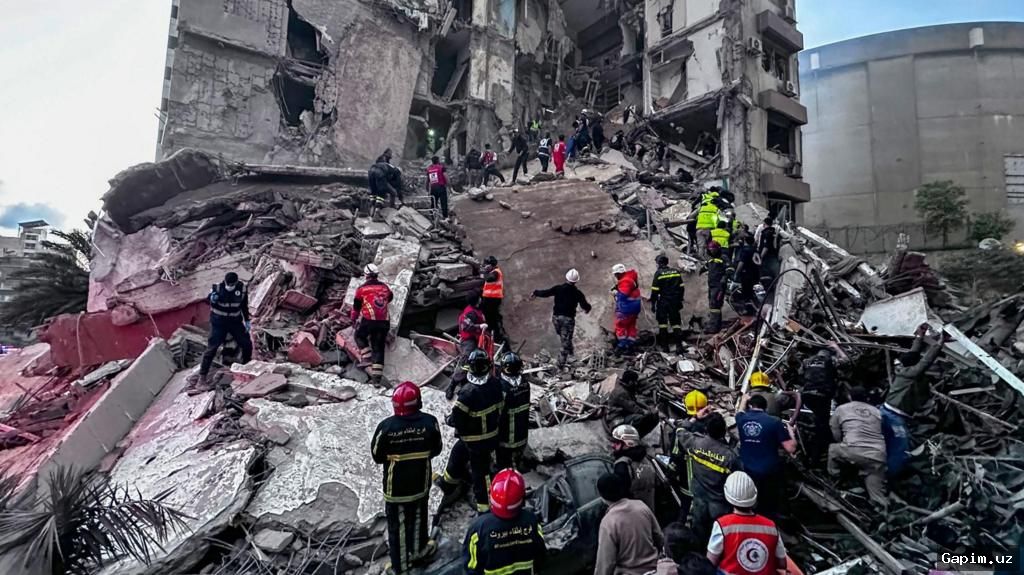
On Wednesday, Israel carried out its most extensive airstrikes in Lebanon since the conflict resumed, killing at least 203 people and injuring over 1,000, according to Lebanese Health Minister Rakan Nassereddine. US President Donald Trump and Vice President JD Vance claimed the agreement did not cover Lebanon, calling it a "separate skirmish" and a "legitimate misunderstanding," which prompted Iran to re-close the Strait of Hormuz in retaliation. This confusion has led analysts to warn the truce is "on the verge of collapse."
Iran's nuclear program adds another layer of tension. Head of the Atomic Energy Organization of Iran Mohammad Eslami rejected any restrictions on uranium enrichment ahead of peace talks with the US in Islamabad, stating, "The claims and demands of our enemies to restrict Iran's enrichment program are merely wishes that will be buried." The International Atomic Energy Agency reported that as of 2025, Iran possesses over 400 kg of uranium enriched to 60%, potentially allowing weapons-grade production in under three days, despite US claims that Iranian nuclear facilities were "obliterated" in 2025.
Israeli Defense Minister Israel Katz has repeatedly stated that Hezbollah leader Naim Qassem is a target. The Israel Defense Forces claimed to have "eliminated" Qassem's close advisor Ali Yusuf Harshi, though Hezbollah has not confirmed his death. Lebanese security sources reported an attack on his location. This escalation underscores the fragile nature of the truce and ongoing regional instability.
British Prime Minister Keir Starmer visited the UAE to discuss bolstering the ceasefire and reopening the Strait of Hormuz, cautioning that it is "early days." UK Foreign Secretary Yvette Cooper called for Lebanon's inclusion in the truce, describing Israeli strikes as "deeply troubling." Spanish Foreign Minister Jose Manuel Albares accused Israel of violating international law and announced the reopening of Spain's embassy in Tehran, highlighting European skepticism towards US and Israeli actions.
In a diplomatic development, the foreign ministers of Saudi Arabia and Iran held their first phone call since the war began, focusing on reducing tensions. Meanwhile, US President Donald Trump threatened to impose 50% tariffs on countries supplying weapons to Iran, though his legal authority to do so is unclear. These events collectively illustrate the precarious state of the ceasefire and persistent regional volatility, with humanitarian costs mounting and international diplomacy struggling to keep pace.
Source: www.dw.com