The announcement of a ceasefire between the United States, Israel, and Iran, along with the reopening of the Strait of Hormuz to maritime trade, has brought cautious relief to sub-Saharan African markets. However, economists caution that deep-rooted vulnerabilities mean the broader recovery may be short-lived, as markets responded quickly but underlying structural issues persist, particularly with rising global energy prices.
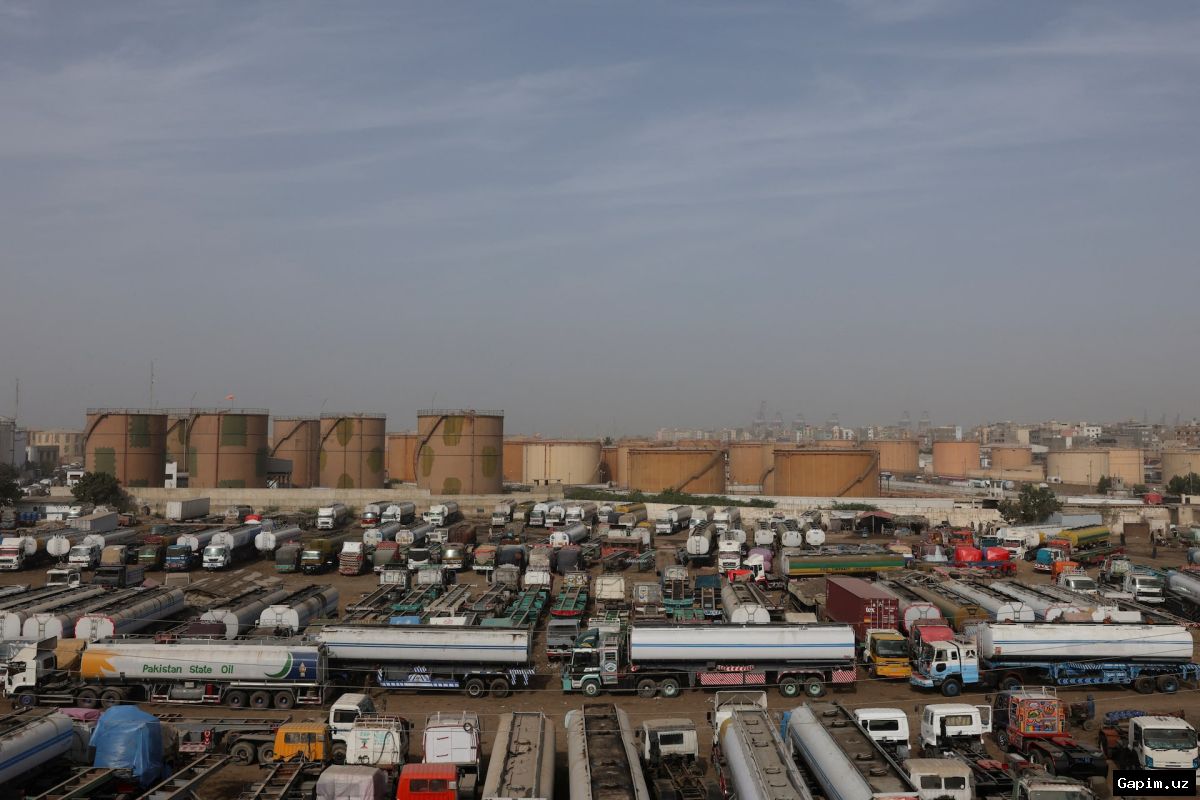
Daniel Silke, head of the Cape Town-based Political Futures Consultancy, noted that while many developing countries had achieved some success in reducing inflation post-pandemic, this is likely to be undone by escalating global costs, including for oil, fertilizers, and liquefied natural gas. He emphasized that households spending a large portion of income on energy and transportation will be severely impacted, depressing demand across Africa that had been rising prior to the crisis.
In South Africa, historic fuel price increments were announced on April 1, despite Iran's Ambassador Mansour Shakib Mehr signaling that South African vessels were allowed passage through the Strait. This did little to ease prices, with diesel rising sharply by 7 rand per liter. A Cape Town motorist commented anonymously: "We were thinking it's going to be six rand, but at least it's just three rand for petrol, it's something at least. We shouldn't get involved in other regions when we have our own issues here."
Dr. Abdul Hakim Ahmed, an expert on international political economy from the University of Winneba in Ghana, explained that given the shaky ceasefire agreement, any decline in prices remains unpredictable, and prices tend to take time to come down once elevated. Both experts agree the crisis should trigger deeper reflection across Africa on dependence on external energy hubs, with Silke calling for "soul searching" and Ahmed advocating for structural changes like domestic production and refining.
Ahmed highlighted the need to leverage oil and gas reserves in Nigeria, Libya, and Angola, and diversify into alternative energy sources. For now, the ceasefire delivers immediate financial relief, with the rand, bonds, and stocks surging, but analysts note the broader outlook remains uncertain as African economies remain exposed not only to this conflict's outcome but to deeper structural challenges it underscores.
Source: www.dw.com